































For many of us, the arrival of the monsoon is a welcome relief. The air feels cooler, the landscape turns green, and the first rains bring with them a sense of renewal. Yet, alongside this seasonal beauty comes a familiar reality—digestive discomfort, low energy, seasonal infections, skin concerns, and the challenge of adapting to constant humidity.
Modern medicine explains many of these changes through shifts in temperature, humidity, and the increased presence of bacteria, viruses, and fungi during the rainy season. Ayurveda reaches a similar conclusion through a different lens. It recognises that every season influences the body differently and that maintaining health requires adapting our daily routine to these natural rhythms.
This principle is known as Ritucharya—seasonal living—and it remains one of Ayurveda’s most practical and enduring contributions to preventive healthcare.
Why Seasonal Living Matters
Most of us naturally change our clothing with the weather. We carry an umbrella during the rains and wear warmer clothes in winter.
Ayurveda suggests that our diet, daily routine, sleep, exercise, and self-care deserve the same seasonal attention.
According to classical Ayurvedic texts, the monsoon season, or Varsha Ritu, is a period when digestive strength is believed to be comparatively lower than at other times of the year. At the same time, the combination of humidity and fluctuating temperatures may leave many people feeling sluggish or less energetic.
Rather than viewing these seasonal changes as problems to overcome, Ayurveda encourages us to work with them.
Begin with Digestion
One of Ayurveda’s central ideas is that good health begins with healthy digestion.
During the monsoon, freshly prepared meals often feel more satisfying than refrigerated leftovers or heavily processed foods. Warm soups, lightly cooked vegetables, seasonal ingredients, and meals eaten at regular times fit naturally with both Ayurvedic wisdom and contemporary nutritional advice.
This is not about following restrictive diets. It is about choosing foods that feel nourishing while allowing the digestive system to function comfortably.
Simple habits—eating mindfully, avoiding unnecessary overeating, and maintaining regular meal times—often prove more valuable than complicated dietary trends.
The Comfort of Warmth
Have you noticed how comforting a cup of warm herbal tea feels on a rainy afternoon?
Ayurveda traditionally recommends warm food and beverages during the monsoon, believing that warmth supports comfort and digestion during damp weather.
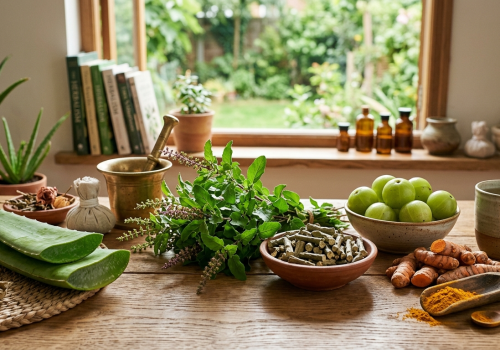
Many households prepare simple herbal infusions using ingredients such as ginger, tulsi, or cinnamon—not as medicines, but as part of a familiar seasonal routine that has been passed down through generations.
Keep Moving, Even When It Rains
Rainy weather often encourages us to stay indoors.
While occasional rest is important, prolonged inactivity can leave the body feeling stiff and the mind feeling sluggish.
Ayurveda encourages regular movement throughout the year, although the intensity should match both the season and the individual. During the monsoon, gentle yoga, stretching, mindful walking, or breathing practices can help maintain flexibility and support overall wellbeing without placing unnecessary strain on the body.
The emphasis is not on exercising harder, but on moving consistently.
Rest Is Part of the Routine
Seasonal wellbeing is not built only through food and exercise.
Sleep, rest, and mental relaxation are equally important.
The quieter rhythm of the rainy season offers an opportunity to slow down. Maintaining regular sleep hours, reducing unnecessary screen time before bed, and creating moments of calm during the day are simple practices that support both physical and mental wellbeing.
Ayurveda has always viewed rest as an active part of staying healthy rather than something reserved for times of illness.
Caring for the Body
Humidity affects more than our mood.
The skin, hair, and feet often require greater attention during the rainy months. Daily bathing, keeping the body dry, wearing clean clothing, and choosing breathable fabrics are practical habits that align with both Ayurvedic principles and modern hygiene recommendations.
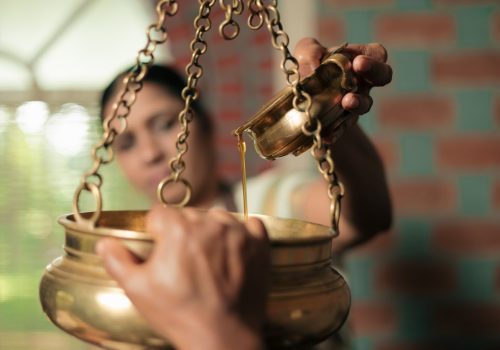
Many people also include Abhyanga, the traditional Ayurvedic practice of self-massage with warm oil, as part of their regular routine. Beyond caring for the skin, Abhyanga is traditionally valued for encouraging relaxation and creating a mindful pause in the day.
A Personalised Approach
Not everyone experiences the monsoon in the same way.
Some people notice digestive discomfort, while others experience skin sensitivity, joint stiffness, or changes in energy levels.
This is why Ayurveda does not offer a universal seasonal plan.
Instead, recommendations are adapted to the individual’s Prakriti (constitution), current health status, age, environment, and lifestyle. What suits one person may not necessarily suit another.
At Kairali – The Ayurvedic Healing Village, this personalised philosophy forms the foundation of every wellness programme. Each guest begins with a detailed consultation conducted by a qualified Ayurvedic physician before receiving recommendations on therapies, nutrition, yoga, and lifestyle practices appropriate to their individual needs.
Learning to Live with the Seasons
Perhaps the greatest lesson Ayurveda offers is surprisingly simple.
Health is not achieved by reacting to illness alone. It is cultivated every day through the choices we make—what we eat, how we sleep, how we move, and how well we adapt to the world around us.
The monsoon reminds us that nature is constantly changing. Rather than resisting those changes, Ayurveda encourages us to move with them.
In doing so, seasonal wellbeing becomes less about following a list of rules and more about developing an awareness of what the body needs at different times of the year.
That philosophy remains just as relevant today as it was centuries ago: when we learn to live in harmony with the seasons, we create the conditions for healthier, more balanced living throughout the year.
Ayurveda believes that seasonal changes influence digestion, energy levels, and overall wellbeing. During Varsha Ritu (the monsoon season), it recommends adapting diet, daily routines, and self-care practices to better align with the changing environment.
Ayurveda traditionally encourages freshly cooked, warm, and easy-to-digest meals during the rainy season. Individual dietary recommendations, however, should always be based on a person’s constitution, health status, and guidance from a qualified Ayurvedic practitioner.
Abhyanga, or Ayurvedic oil massage, is traditionally practised throughout the year. During the monsoon, it is often valued for promoting relaxation, supporting skin care, and complementing a seasonal self-care routine when recommended by an Ayurvedic physician.