


















The monsoon changes the pace of life in Kerala.
Rain cools the landscape, humidity rises and daily routines move indoors. Appetite, activity and sleep may also shift. In Kerala’s Ayurvedic tradition, this seasonal change is not ignored. It is answered with adjustments to food, rest and daily care.
Karkidakam, the final month of the Malayalam calendar, is traditionally associated with this period of seasonal renewal. Kerala Tourism describes it as a time for balanced nourishment, restorative routines and carefully guided wellness practices.
The tradition is often reduced to herbal porridge or monsoon massage. Its real value is broader: Karkidakam asks people to pay attention to how the season is affecting them and to adapt their routine accordingly.
What Is Karkidakam?
Karkidakam falls during the southwest monsoon in Kerala.
Traditionally, the month is associated with heavy rain, reduced outdoor activity and changes in digestion and energy. Households may simplify meals, follow more regular routines and prepare seasonal foods suited to the damp weather.
Ayurveda gives close attention to ṛtucaryā (seasonal routine). The central idea is that food, activity and self-care should change with the climate rather than remain identical throughout the year.
This does not mean that everyone needs an intensive treatment programme during Karkidakam. Seasonal care should still be based on the individual’s health, constitution and medical needs.
Why the Monsoon Matters in Ayurveda
Ayurveda considers digestion, appetite, strength, sleep and environment together.
During prolonged rainy weather, some people may experience:
- Reduced appetite
- Digestive discomfort
- Sluggishness
- Changes in sleep
- Lower activity levels
- A sense of heaviness
- Greater sensitivity to cold or damp conditions
These experiences are not universal, and they are not diagnoses. They simply illustrate why Ayurveda recommends observing the body more closely during seasonal change.
A qualified Ayurvedic physician may assess prakṛti (constitutional profile), current doṣa patterns, digestion, appetite, sleep and medical history before suggesting any seasonal programme.
Karkidaka Kanji: Food at the Centre of the Tradition
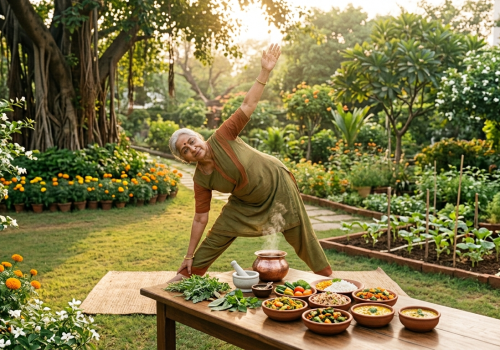
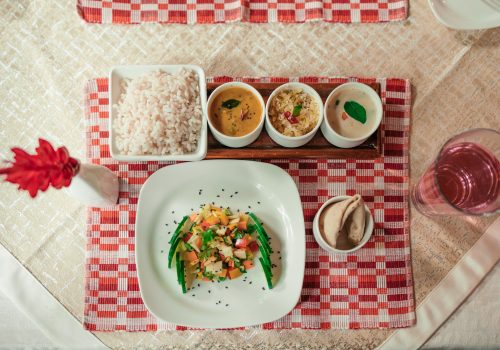
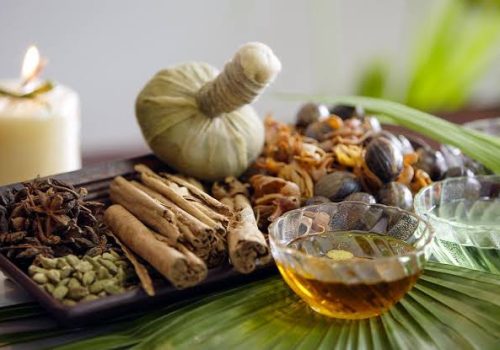
One of the most familiar Karkidakam practices is the preparation of Karkidaka kanji, a seasonal porridge made with rice, herbs and spices.
Recipes vary between households and Ayurvedic institutions. There is no single universal formulation.
Its importance lies partly in what it represents: a warm, freshly prepared meal built around local ingredients and seasonal eating. Kerala Tourism identifies the porridge as one of the most enduring symbols of the month and places it within Ayurveda’s broader view of food as a foundation of wellbeing.
Karkidaka kanji should not be treated as a medicine suitable for everyone. The ingredients may need to be adjusted for people with diabetes, kidney disease, digestive disorders, allergies or other medical concerns.
More Than a Monsoon “Detox”
Karkidakam is sometimes marketed as a period for detoxification.
That language can be misleading.
Classical Ayurvedic seasonal care is more precise. It considers whether the person needs rest, dietary adjustment, external therapies, medication or selected Panchakarma procedures. Not every person requires cleansing procedures, and no procedure should be prescribed only because a particular month has arrived.
The correct starting point is assessment.
A responsible Ayurvedic centre should ask about:
- Current health concerns
- Medical history
- Medication
- Digestion and appetite
- Sleep
- Strength and mobility
- Previous experience with Ayurvedic treatment
- The person’s ability to tolerate specific procedures
Seasonal timing may influence a programme, but it does not replace clinical judgement.
Experiencing Karkidakam at Kairali
At Kairali, The Ayurvedic Healing Village in Palakkad, seasonal care takes place within a physician-led residential setting.
Kairali is an NABH-accredited Ayurvedic hospital, where programmes begin with an individual consultation. The physician considers the guest’s current health, constitution, medical history and daily routine before recommending food, therapies or lifestyle guidance.
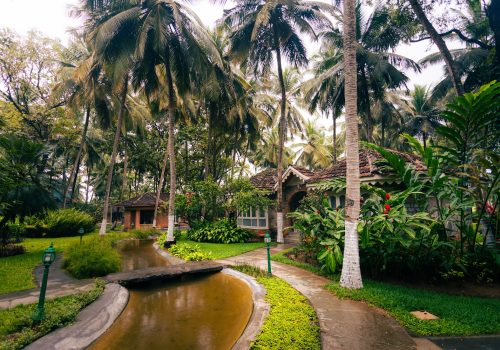
The Palakkad setting makes the monsoon visible throughout the stay. Rain changes the gardens, walking patterns and rhythm of the day. This gives guests an opportunity to experience seasonal Ayurveda as a complete routine rather than as a single therapy.
A Karkidakam programme at Kairali may bring together several elements, depending on the physician’s assessment.
Seasonal Meals
Meals may be adjusted to suit the climate and the guest’s digestive capacity.
The emphasis is generally on freshly prepared food, suitable portions and regular timing. Warm dishes may be preferred where appropriate, while ingredients are selected according to individual requirements.
Karkidaka kanji or other seasonal preparations may be included when suitable. They are not prescribed as universal remedies.
Physician-Selected Therapies
External Ayurvedic therapies may form part of the programme.
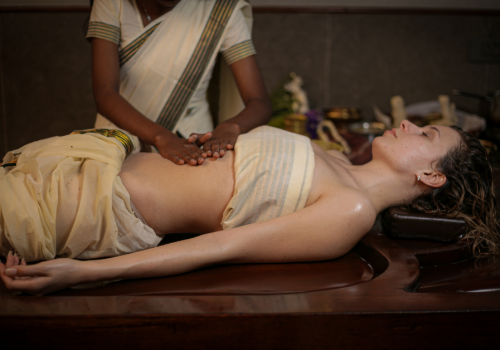
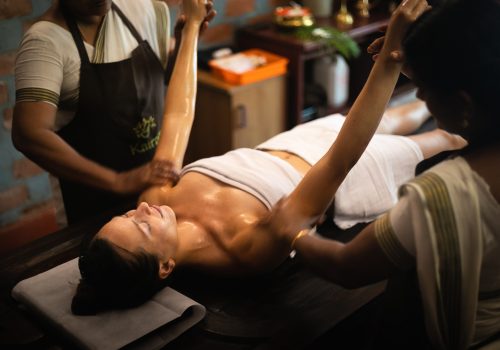
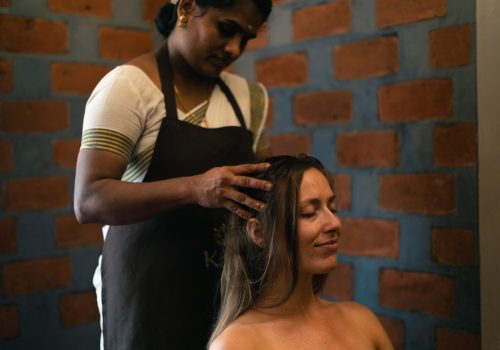
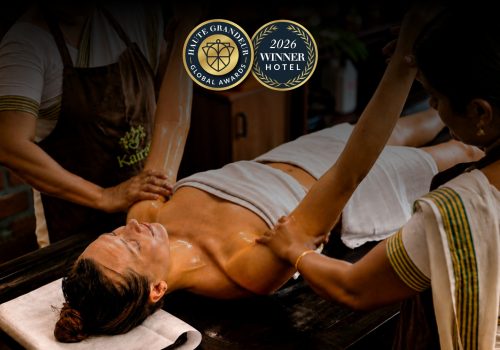
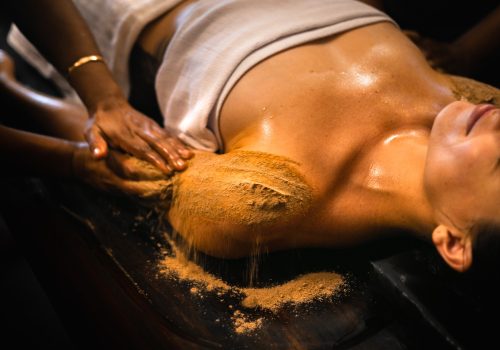
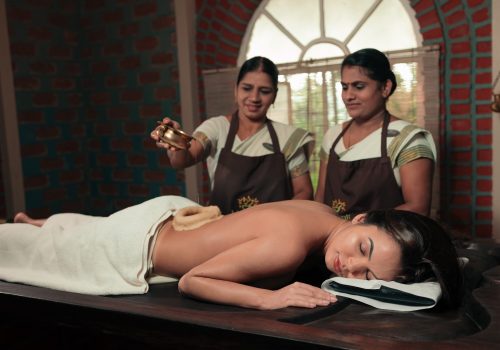
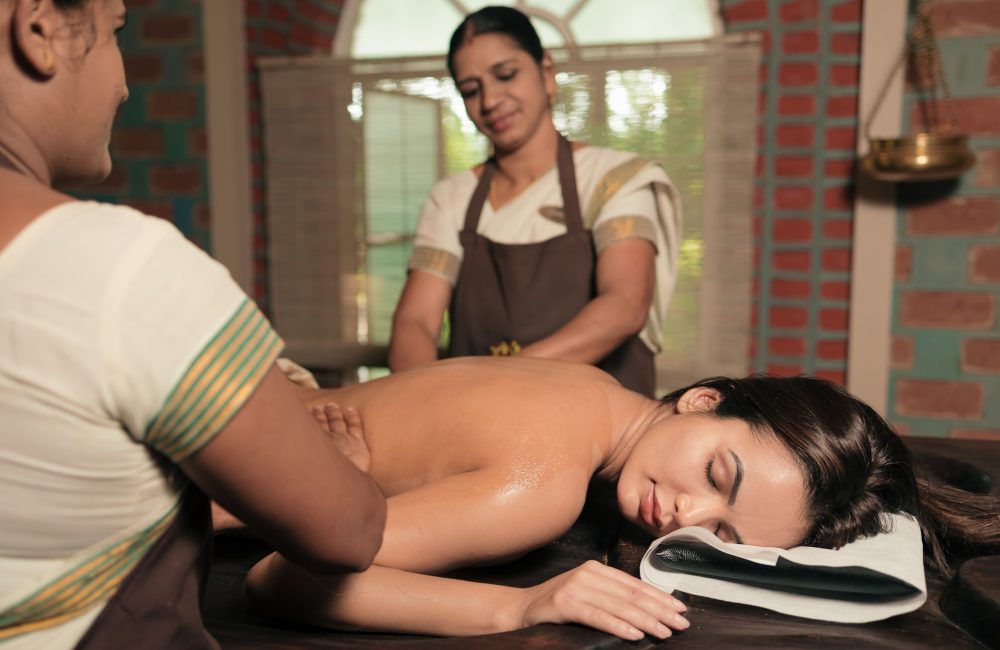
The physician may consider oil applications, massage-based procedures or other treatments according to the guest’s condition and strength. Selected Panchakarma procedures may also be considered when clinically appropriate.
The therapies should not be chosen from a standard monsoon menu. Their suitability depends on the individual.
Rest and Daily Rhythm
A residential stay creates a more regular schedule.
Consultations, meals, therapies, movement and rest take place at planned times. This consistency may help guests observe how their body responds to the season and to changes in routine.
The retreat environment also reduces some of the interruptions common at home, including irregular meals, work demands and late-night schedules.
The setting supports the routine. It should not be described as a treatment in itself.
Yoga and Appropriate Movement
Rain can make outdoor activity less predictable.
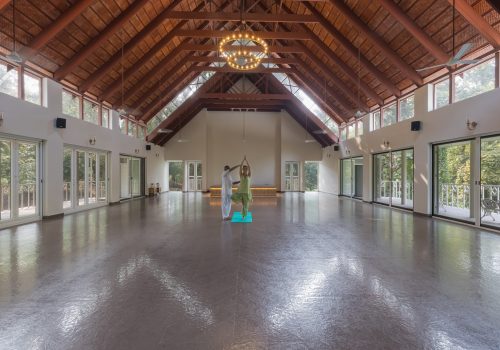
Depending on the guest’s programme, gentle yoga, breathing practices, walking or mobility work may be included. These activities are adjusted to age, strength and medical history.
The goal is not intensive exercise. It is to maintain appropriate movement without ignoring fatigue, slippery conditions or the need for rest.
What Makes an Ayurvedic Experience Credible?
Kerala Tourism advises visitors to choose centres led by qualified Ayurvedic physicians, with programmes planned after professional consultation. It also notes that recognised centres may combine Ayurveda with yoga, meditation, food and lifestyle guidance.
Before booking a Karkidakam programme, travellers should ask:
- Will a qualified Ayurvedic physician conduct the consultation?
- Is the programme planned individually?
- Will current medicines and medical conditions be reviewed?
- Are therapies supervised?
- How are contraindications assessed?
- What meals are included?
- What follow-up guidance is provided?
- What accreditation does the facility hold?
These questions are more useful than broad promises about rejuvenation or rapid results.
Karkidakam as a Practice of Attention
The enduring lesson of Karkidakam is not that one month can repair every imbalance.
It is that seasonal change deserves attention.
Ayurveda asks us to notice appetite, sleep, energy, movement and emotional strain before small disruptions become established habits. Food becomes simpler. The daily rhythm becomes more regular. Treatment, when needed, is selected according to the person rather than the calendar alone.
At Kairali’s Palakkad centre, Karkidakam can be experienced within this wider context: as physician-led seasonal care shaped by Kerala’s climate, cuisine and living Ayurvedic tradition.
The value of the month lies not in dramatic promises, but in a more careful way of responding to the season.
Book your Karkidakam program today: https://ayurvedichealingvillage.com/karkidaka-chikitsha-or-monsoon-wellness.html
Website: www.ktahv.com
Call: +91-9555156156