


























As World Mental Health Day turns attention to people’s lived experiences, Ayurveda offers another perspective on everyday wellbeing: the importance of rest, routine and recognising stress before it becomes overwhelming.
Mental health is often discussed when something has already gone wrong. We recognise the need for support when anxiety becomes difficult to manage, sleep is consistently disrupted or emotional exhaustion begins to affect everyday life.
But what about the habits and circumstances that influence our wellbeing long before we reach that point?
World Mental Health Day, observed on 10 October, offers an opportunity to consider this question. The 2026 theme, “Lived experiences heard: real voices, real change,” calls for people with direct experience of mental health conditions to have a meaningful say in the care and decisions that affect them.
It is an important reminder that mental health is not simply a matter of symptoms or diagnoses. It also concerns how people experience their daily lives, the support available to them and whether their concerns are taken seriously.
Ayurveda contributes a useful perspective to this wider conversation. Its traditional approach places considerable importance on daily routines, nourishment, adequate rest and the relationship between physical and emotional wellbeing.
These practices cannot replace mental healthcare. They can, however, form part of a broader approach to looking after ourselves.
Why Preventive Mental Wellbeing Matters
Stress is a normal part of life. A demanding week, an important decision or an unexpected change can leave anyone feeling unsettled.
Problems may arise when pressure becomes persistent and opportunities for recovery remain limited.
Sleep may become irregular. Meals are hurried or skipped. Physical activity decreases, and the time once spent with friends, family or personal interests gradually disappears.
These changes matter because mental wellbeing is influenced by more than individual thoughts or emotions.
The World Health Organization identifies social connection, adequate nutrition, physical health and supportive environments among the factors that help protect mental health.
This does not mean that good habits can prevent every mental health condition. Genetics, trauma, economic hardship and other circumstances also influence mental health, often in ways individuals cannot control.
Still, giving attention to everyday wellbeing is worthwhile. We should not have to experience severe exhaustion before recognising the importance of recovery.
How Ayurveda Understands the Relationship Between Mind and Body
Ayurveda has traditionally considered mental and physical health as closely connected.
Its understanding of wellbeing includes manas (mind), alongside the condition of the body, sensory experiences, behaviour and daily habits.
Rather than examining stress in isolation, an Ayurvedic practitioner may consider sleep patterns, appetite, digestion, physical activity and the demands of a person’s routine.
Two traditional concepts are particularly relevant.
Dinacharya (daily routine) refers to organising everyday activities around relatively consistent patterns of sleeping, eating, movement and personal care.
Sattva (mental clarity and balance) is an Ayurvedic concept associated with steadiness, discernment and a balanced state of mind.
These concepts belong to Ayurveda’s traditional framework. They should not be confused with modern psychiatric diagnoses or presented as scientifically validated measures of mental health.
Their practical value lies in encouraging attention to how everyday behaviour may influence wellbeing.
For example, establishing consistent sleep times, making space for movement and eating regular meals are recommendations that also appear in contemporary public-health guidance.
The language may differ, but there is a shared recognition that everyday habits matter.
Rest Is Important, but It Is Not a Treatment for Everything
In a culture that often rewards constant availability, rest can begin to feel like something that must be earned.
Emails continue into the evening. Work follows people home. Even leisure time can become filled with obligations.
A preventive approach to wellbeing asks a different question: how can adequate recovery become part of everyday life rather than an occasional escape?
Simple changes may include maintaining a regular bedtime, taking breaks during working hours, spending time outdoors and protecting opportunities for meaningful social connection.
Yoga and meditation may also have a place.
Research reviewed by the US National Center for Complementary and Integrative Health suggests that yoga can support aspects of general wellbeing, including perceived stress and sleep. However, results vary between studies, and evidence for yoga as a primary treatment for diagnosed anxiety disorders remains insufficient.
This distinction is important.
A practice that helps someone feel calmer after a demanding day is not necessarily an effective intervention for a clinical mental health condition.
Preventive wellbeing should complement professional care where it is needed, not become another reason to delay seeking help.
A Structured Approach to Rest at Kairali – The Ayurvedic Healing Village
For some people, changing established routines can be difficult while remaining in the same demanding environment.
A supervised wellness stay may offer an opportunity to examine those routines more closely.
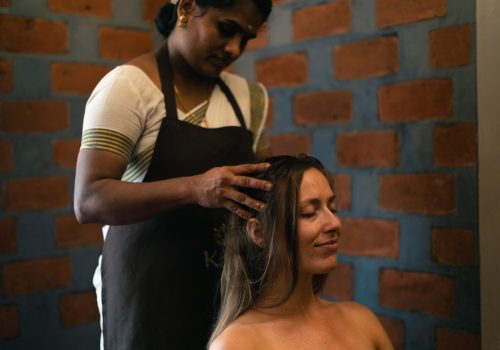
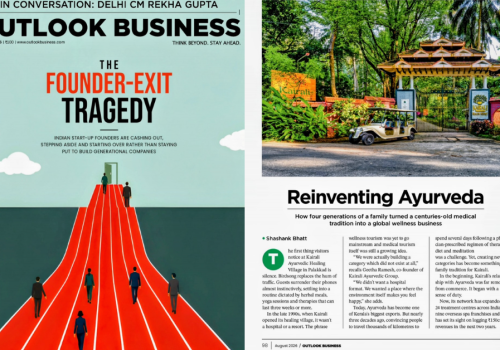
At Kairali – The Ayurvedic Healing Village, located in Kodumbu, Palakkad, Kerala, Ayurvedic care is organised around physician-led programmes within a dedicated hospital-resort setting.
The property is an NABH-accredited Ayurvedic hospital and holds the Government of Kerala’s Green Leaf Certification.
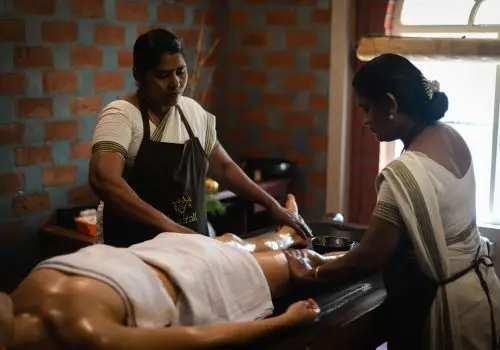
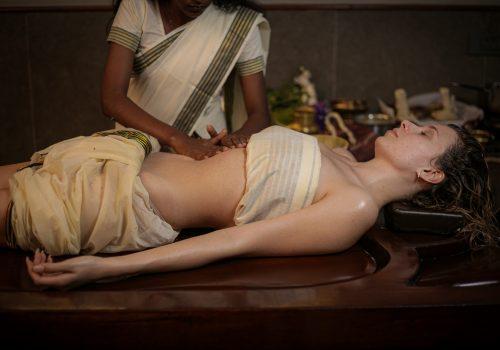
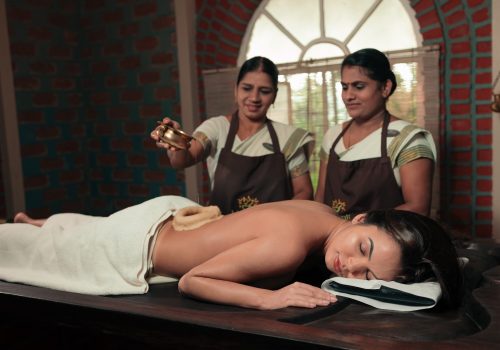
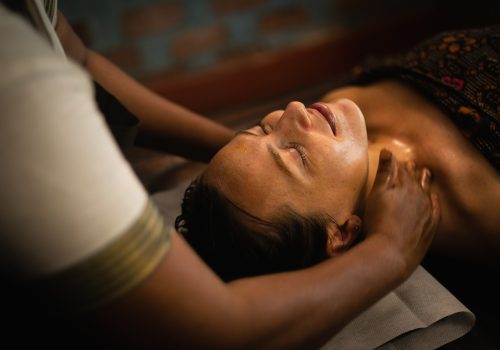
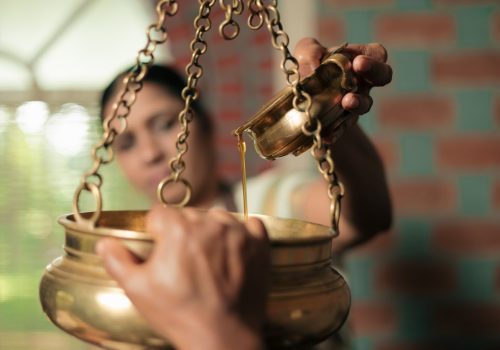
One of its principal offerings is Panchakarma, a classical Ayurvedic programme involving practitioner-selected procedures within an individualised plan of care.
What does a Panchakarma programme involve?
Panchakarma is often described simply as a cleansing practice, but its classical framework is more complex.
It involves specific Ayurvedic procedures selected according to a practitioner’s assessment, rather than a single treatment offered identically to every guest.
At Kairali, the physician-led approach allows suitability and programme planning to be considered individually.
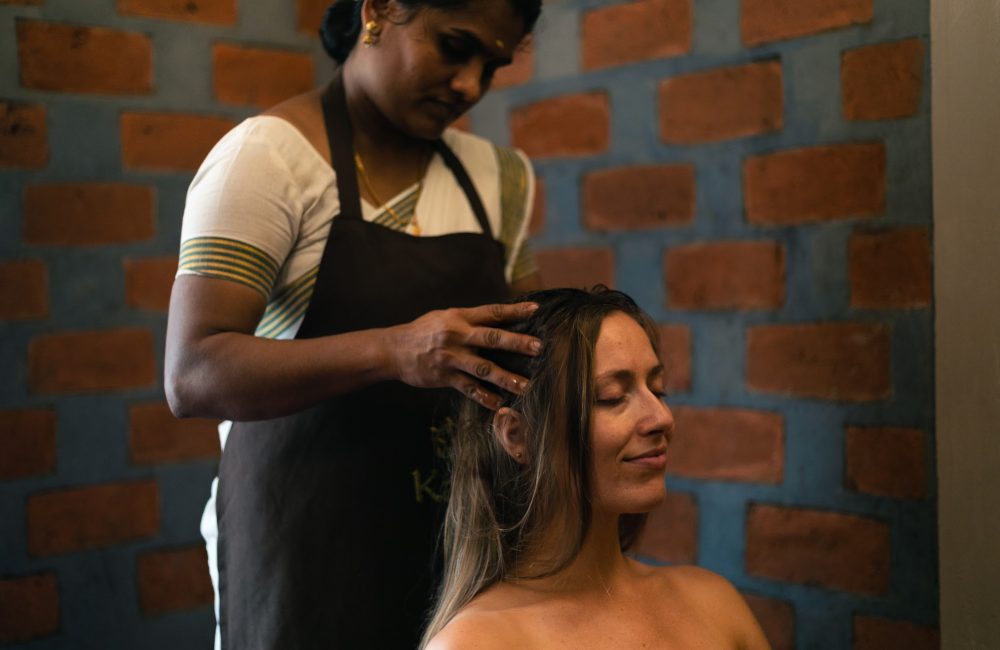
For readers interested in preventive wellbeing, the broader structure of an Ayurvedic residential programme may be particularly relevant: time devoted to rest, attention to meals and daily routine, and the opportunity to discuss lifestyle habits with qualified practitioners.
Depending on clinical assessment and the confirmed programme plan, an Ayurvedic stay may involve traditional therapies and guidance relating to daily habits.
However, Panchakarma should not be presented as a treatment for anxiety, depression, burnout or other mental health conditions.
Robust clinical evidence establishing its effectiveness for those outcomes is currently insufficient.
Nor is Panchakarma suitable for everyone. Some procedures have important contraindications, and people with existing medical conditions, those taking medication, or those who are pregnant may require additional assessment or may be advised against particular procedures.
The value of a medically supervised setting is that such decisions should be made by qualified practitioners rather than through self-selection of therapies.
Listening Should Be Part of Preventive Care
The 2026 World Mental Health Day theme offers another important lesson.
People need more than general advice to sleep better, exercise and reduce stress. They need to be heard.
Someone experiencing emotional exhaustion may also be coping with financial pressures, caring responsibilities, workplace difficulties or a mental health condition that requires specialist support.
No lifestyle programme can resolve all these circumstances.
Preventive care works best when it begins with a person’s actual needs rather than assumptions about what they should be feeling.
This is also why individual assessment matters in Ayurveda. A practitioner-led approach should make room for questions about existing health concerns, daily demands, expectations and the limitations of the proposed programme.
Where someone needs psychological therapy, psychiatric assessment or other mental healthcare, those services should remain central to their care.
Ayurvedic lifestyle practices may have a supportive role, but they should not be treated as equivalent to evidence-based mental health services.
Bringing Small Changes Into Everyday Life
Looking after mental wellbeing does not necessarily require travelling to a retreat or making dramatic changes.
It may begin with a more realistic assessment of everyday habits.
Are you allowing enough time for sleep? Do you regularly eat meals without rushing? Is there space in your week for movement, relationships and activities that are not connected to work?
These questions do not provide a diagnosis. They can, however, help identify aspects of daily life that deserve more attention.
Consistency is often more useful than attempting to change everything at once.
At the same time, persistent emotional distress, significant changes in functioning or symptoms that interfere with daily life deserve assessment by an appropriate healthcare professional.
As World Mental Health Day 2026 reminds us, meaningful mental healthcare must take people’s experiences seriously.
Ayurveda’s contribution to preventive wellbeing lies partly in encouraging regular attention to rest, routine and individual circumstances.
That attention is valuable, but it is only one part of a much larger conversation about mental health.
Taking care of the mind should be an everyday consideration, supported by access to appropriate care whenever it is needed.
Explore Physician-Led Ayurvedic Care at Kairali
Kairali – The Ayurvedic Healing Village in Palakkad, Kerala, offers supervised Panchakarma programmes within a classical Ayurvedic clinical setting.
Readers interested in understanding the programme, its suitability and what an individualised Ayurvedic stay may involve can explore Kairali’s approach and speak with its practitioner team before making a decision.
Ayurvedic wellness programmes are not substitutes for psychiatric assessment, psychological therapy or other indicated medical treatment.
Book a Free doctor consultation at +91-9555156156 or visit www.ktahv.com







Leave a Reply