

































Rosemary oil has attracted considerable attention for hair growth, but choosing the right hair oil involves more than following an ingredient trend. Here is what to consider before adding one to your routine.
Rosemary oil has become a familiar name in hair-care conversations. From social media recommendations to scalp-massage tutorials, it is frequently associated with thicker, healthier-looking hair.
But can one ingredient really address every hair concern?
If you are wondering how to choose an Ayurvedic hair oil, the starting point should be your individual hair and scalp needs rather than the popularity of a particular herb.
Hair oils can serve different purposes. Some help condition dry hair, while others are formulated for scalp massage and regular grooming. However, an oil that makes your hair feel softer may not address persistent shedding or visible thinning.
Understanding these differences can help you make a more informed choice.
Hair Care Is More Than Preventing Hair Fall
Hair dryness, breakage and hair loss are often discussed as though they are the same problem. In reality, they have different causes and may require different approaches.
Dry hair usually concerns the condition of the hair shaft. Oils can help coat the strands, reduce friction and make the hair feel smoother and more manageable.
Hair breakage occurs when strands become damaged and snap. Frequent heat styling, chemical treatments and rough handling can contribute to this problem.
Hair shedding involves hair falling from the follicle. Some daily shedding is normal, but noticeable changes may occur after illness, stress or hormonal changes.
Hair thinning can have several underlying causes, including hereditary factors, nutritional deficiencies, thyroid disorders and certain scalp conditions.
This distinction matters because cosmetic hair care and medical treatment serve different purposes.
A suitable hair oil may improve the feel and appearance of your hair. Persistent hair loss, however, may require assessment by a dermatologist.
Rosemary Oil vs Ayurvedic Hair Oil: What Is the Difference?
Rosemary oil has received attention partly because of research exploring its potential role in hair growth.
One small clinical trial compared a rosemary oil preparation with 2% minoxidil in people with androgenetic alopecia. Although the findings attracted interest, a single study does not establish rosemary oil as an equivalent replacement for clinically recommended hair-loss treatments.
Ayurvedic hair oils generally follow a different formulation approach.
Rather than focusing on one botanical, many traditional preparations combine several ingredients in an oil base.
Herbs such as Bhringaraj (Eclipta prostrata) and Amalaki (Indian gooseberry) have long been used in Ayurvedic hair-care preparations.
However, traditional use does not automatically establish that a finished oil can prevent hair loss or stimulate regrowth.
The useful comparison is not simply rosemary versus bhringraj. It is between complete products, their intended purposes, available evidence and suitability for your scalp.
Why the Complete Hair Oil Formulation Matters
A hair oil is more than the ingredient highlighted on its packaging.
The complete formulation influences its texture, application and suitability for regular use.
For example, the carrier oil determines how easily a product spreads and how it feels on the hair.
Other ingredients may be included for their traditional roles, fragrance or cosmetic properties.
When comparing products, consider:
- The complete ingredient list, including the carrier oil.
- Whether the product is designed for scalp application or hair conditioning.
- Its intended method of use.
- Any known allergies or ingredient sensitivities.
- The quality of evidence supporting its advertised benefits.
A familiar herb may be a reason to investigate a product, but it should not be the only reason to purchase it.
Understanding Kairali’s Kairoil Ayurvedic Hair Oil
Kairali’s Kairoil provides an example of a multi-ingredient Ayurvedic hair-care formulation.
Developed by Kairali Ayurvedic Products Pvt. Ltd., Kairoil is intended for external application as part of a regular pre-wash scalp-oiling routine.
Its published formulation includes several ingredients traditionally used in Ayurvedic preparations:
Bhringaraj (Eclipta prostrata): A botanical associated with traditional Ayurvedic hair and scalp care.
Amalaki (Emblica officinalis): Also known as amla, this fruit is widely used in Ayurvedic preparations.
Guduchi (Tinospora cordifolia): A botanical included in several traditional Ayurvedic formulations.
Madhuka (Glycyrrhiza glabra): Commonly known as liquorice, another ingredient used in Ayurvedic preparations.
Tila (Sesamum indicum): Sesame oil, which serves as an oil base for the formulation.
Kairoil also contains other ingredients specified in its published composition. The complete label should be reviewed before use.
The formulation illustrates an important distinction: the presence of traditionally valued herbs does not mean the finished product has been clinically demonstrated to reverse hair loss.
Its more clearly defined role is as a scalp and hair-conditioning oil incorporated into a regular grooming routine.
Five Questions to Ask Before Choosing an Ayurvedic Hair Oil
1. What Is Your Main Hair Concern?
Begin by identifying what you want from the product.
If your hair feels dry or difficult to manage, a conditioning oil may be useful.
If you are experiencing persistent shedding, widening of the hair parting or bald patches, identifying the underlying cause is more important than selecting another oil.
2. Have You Checked the Complete Ingredient List?
A product’s front label may highlight one recognisable herb, but the remaining ingredients deserve equal attention.
Check the formulation for possible allergens, fragrances and other substances that may irritate sensitive skin.
Natural ingredients can also cause adverse reactions, particularly in concentrated preparations.
3. What Type of Oil Base Does It Use?
Carrier oils influence the texture and feel of a hair-care product.
A heavier oil may suit someone who prefers pre-wash conditioning, while another person may prefer a lighter formulation.
Hair texture, scalp condition and personal preference all matter.
There is no single oil base that works equally well for everyone.
4. Does the Oil Suit Your Routine?
Consider whether the product is intended to be washed off or left in the hair.
Some preparations are designed for scalp massage before shampooing, while others are used primarily to condition the hair lengths.
A routine that is comfortable, practical and consistent is generally more useful than applying excessive quantities of oil.
Always follow the directions and precautions provided with the product.
5. Are Your Expectations Realistic?
Hair oils can play a useful role in grooming, conditioning and scalp massage.
However, claims of guaranteed regrowth, rapid reversal of thinning or dramatic changes in hair density should be approached cautiously.
Hair growth depends on several biological factors, and some forms of hair loss require medical investigation.
Choosing a product should begin with understanding what it can reasonably do.
When Should You Seek Professional Advice for Hair Loss?
Hair oiling may be a familiar part of personal care, but it should not delay medical attention when hair loss is persistent or unusual.
Consider consulting a dermatologist if you notice sudden shedding, bald patches, progressive thinning or scalp irritation.
A clinician may assess factors such as medical history, medications, nutritional status and scalp health to identify possible causes.
The earlier an underlying problem is identified, the easier it may be to explore appropriate treatment options.
The Takeaway: Choose Your Hair Oil with More Care
Rosemary oil has helped bring renewed attention to scalp care, but the popularity of an ingredient does not tell us everything about its effectiveness.
Ayurvedic formulations such as Kairoil reflect a tradition of combining multiple ingredients for hair and scalp care. Their value should be considered through the complete formulation, intended use, safety information and available evidence.
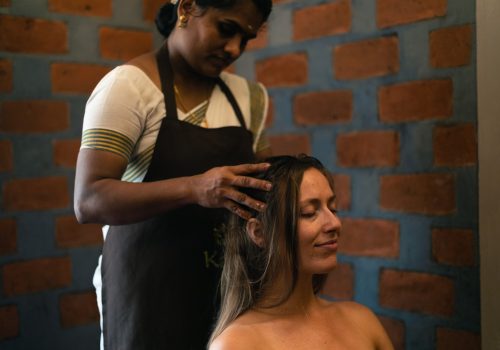
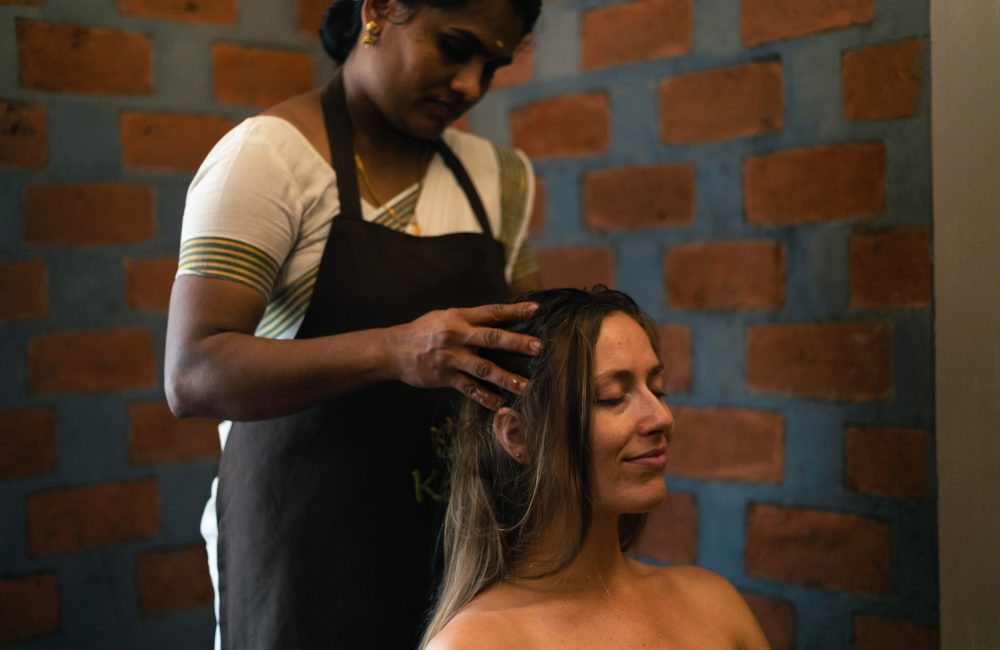
For everyday grooming, a suitable oil may help condition the hair and make scalp massage part of a regular routine.
For persistent hair loss, the priority should be understanding the cause.
The best starting point is not which herb is trending, but what your hair actually needs.







Leave a Reply