



























Stress can affect concentration, sleep, appetite, energy and the way a person responds to everyday demands. When it continues for a long period, it may also make existing health concerns more difficult to manage.
Low mood, persistent anxiety and high blood pressure require proper medical assessment. Ayurveda should not be presented as a cure or as a replacement for psychiatric, psychological or cardiovascular care.
What Ayurveda can offer is a structured way to examine the routines surrounding rest, food, movement, sensory stimulation and emotional strain. At Kairali, The Ayurvedic Healing Village in Palakkad, this process takes place under the guidance of qualified Ayurvedic physicians.
How Ayurveda Understands Stress
Ayurveda considers mental wellbeing in relation to the body’s wider patterns.
An assessment may include:
- Sleep quality
- Appetite and digestion
- Energy levels
- Work and travel routines
- Emotional strain
- Physical tension
- Existing medical conditions
- Current medication
- Daily exposure to stimulation and screen use
Ayurvedic practitioners may also assess prakṛti (constitutional profile), current doṣa patterns and the state of agni (digestive and metabolic function).
These concepts are part of an Ayurvedic framework. They do not replace a medical diagnosis of depression, anxiety or hypertension.
When Stress Needs Medical Attention
Not every period of stress requires residential treatment. However, professional medical support is important when symptoms are persistent, severe or interfere with daily life.
A doctor or mental-health professional should be consulted when a person experiences:
- Persistent sadness or loss of interest
- Panic attacks or severe anxiety
- Thoughts of self-harm
- Significant changes in sleep or appetite
- Difficulty functioning at work or home
- Chest pain, fainting or severe breathlessness
- Repeatedly elevated blood-pressure readings
- New neurological symptoms
Ayurvedic care may be considered alongside appropriate conventional treatment, not instead of it.
What a Supervised Ayurvedic Programme May Include
At Kairali’s Palakkad centre, programmes begin with an individual consultation. The physician reviews the guest’s symptoms, routines, medical history, medication use and overall strength before recommending any therapies.
The programme may include several components.
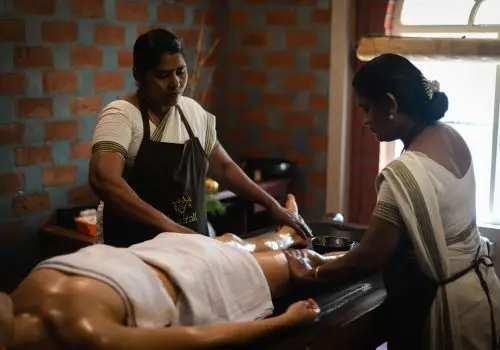
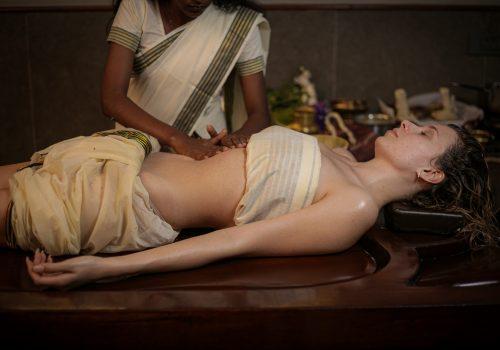
Abhyanga
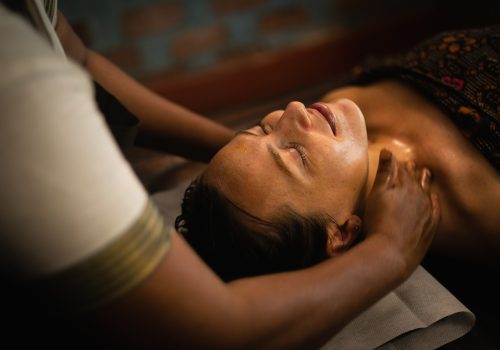
Abhyanga is the application of warm Ayurvedic oil using rhythmic massage techniques.
It may be included as part of a relaxation-focused programme, depending on the individual’s condition and the physician’s assessment. The oils and method used are selected according to the guest’s needs.
It should not be described as a treatment for depression, hypertension or neurological disease.
Shirodhara
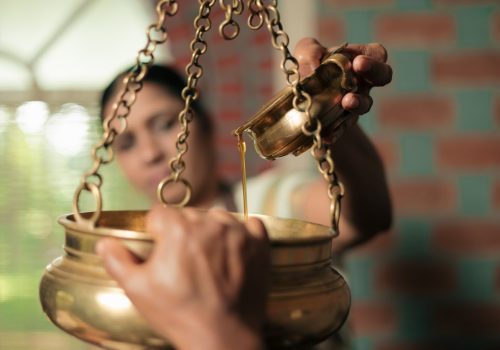
Śirodhārā involves the controlled pouring of a liquid, commonly oil, over the forehead for a defined period.
It is often associated with rest and sensory quiet. Some guests may find the experience calming, but responses differ, and the therapy is not appropriate for everyone.
Its suitability should be decided by a qualified practitioner.
Ksheeradhara and Takradhara
Kṣīradhārā uses a milk-based preparation, while Takradhārā uses a buttermilk-based preparation combined with physician-selected ingredients.
These therapies may be chosen in particular Ayurvedic contexts. They are not standard additions to every stress programme, and they should not be presented as cures for mental-health or cardiovascular conditions.
Other External Therapies
An Ayurvedic physician may recommend other oil applications, herbal pastes, steam procedures or body therapies.
The choice depends on the individual assessment. Strong procedures, heat therapies and cleansing interventions may be unsuitable for some guests, particularly those with cardiovascular or other medical concerns.
The Importance of Routine
One of the practical benefits of a residential programme is the opportunity to follow a consistent schedule.
Meals, rest, movement and therapies take place at regular times. This allows both the guest and the physician to observe how daily habits influence sleep, appetite, energy and mental strain.
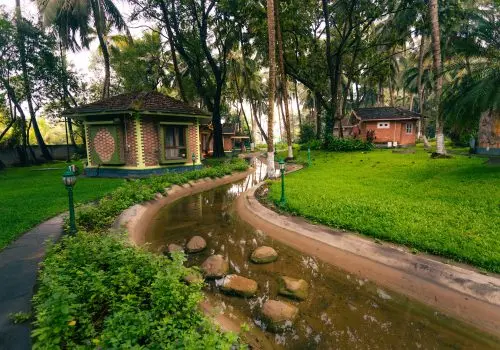
The retreat setting may also reduce some forms of stimulation, including irregular work hours, late meals and constant digital engagement.
The value lies in the structure. It does not prove that a particular symptom will improve within a fixed number of days.
Food and Daily Rhythm
Ayurvedic dietary guidance is based on the individual rather than a universal “stress diet.”
A physician may consider:
- Meal timing
- Appetite and digestion
- Food tolerance
- Existing medical conditions
- Medication
- Sleep patterns
- The person’s work and travel schedule
Freshly prepared meals and a regular eating routine may be encouraged where appropriate.
People managing hypertension, diabetes, kidney disease or other medical conditions should continue to follow the nutritional advice of their treating clinicians.
Yoga, Breathing and Meditation
Gentle yoga, walking, guided relaxation, meditation or breathing practices may form part of a supervised programme.
These are adapted to the person’s age, strength, mobility and medical history. Intensive breath retention, rapid breathing techniques or strenuous postures may not be suitable for everyone.
The objective is not performance. It is to establish a practice that can be followed safely and consistently.
What Guests May Take Home
A useful programme should end with practical guidance rather than broad promises.
A home routine may include:
- A more regular sleep schedule
- Consistent meal times
- Appropriate daily movement
- Simple relaxation practices
- Reduced evening stimulation
- Follow-up with an Ayurvedic physician
- Continued care with the person’s medical or mental-health team
Any Ayurvedic medicines or herbal preparations should be prescribed individually and reviewed for possible interactions with existing medication.
Questions to Ask Before Choosing a Programme
Before entering an Ayurvedic retreat for stress-related concerns, ask:
- Will a qualified Ayurvedic physician conduct the assessment?
- Will my current medicines and medical history be reviewed?
- Are the therapies selected individually?
- How are mental-health and cardiovascular warning signs handled?
- Is there a referral process when medical care is needed?
- What follow-up support is provided after the stay?
These questions are more meaningful than claims about high success rates, rapid relief or guaranteed outcomes.
A Complementary Approach to Stress Support
Ayurveda can provide a structured framework for examining sleep, food, movement, sensory load and daily routine.
At Kairali -The Ayurvedic Healing Village, this work takes place in a physician-led residential setting. The aim is not to claim that Ayurveda cures depression, anxiety or hypertension. It is to help guests develop a more consistent routine while remaining connected to appropriate medical care.
For some people, that structure may make it easier to recognise unhelpful patterns and adopt safer, more sustainable habits.







Hello there! I simply want to offer you a huge thumbs up for the great information you have here on this post. I will be coming back to your web site for more soon.