


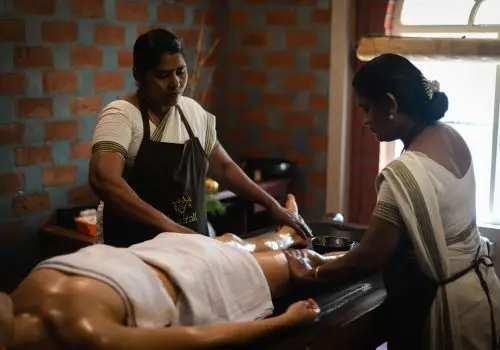
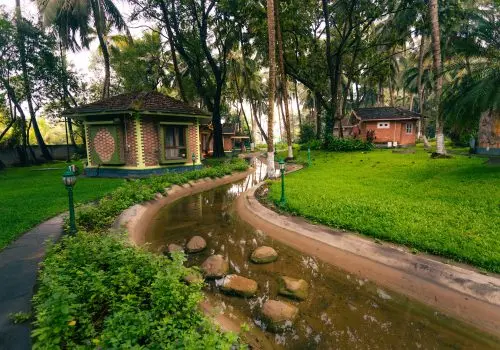
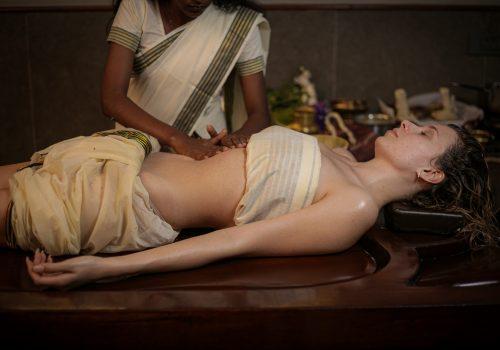




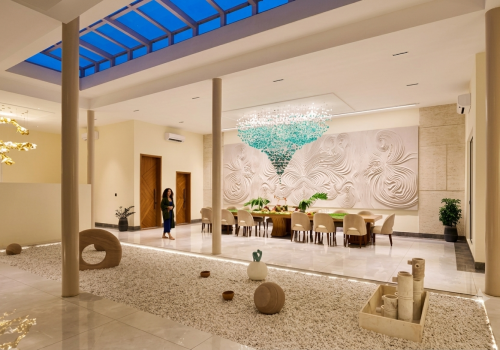
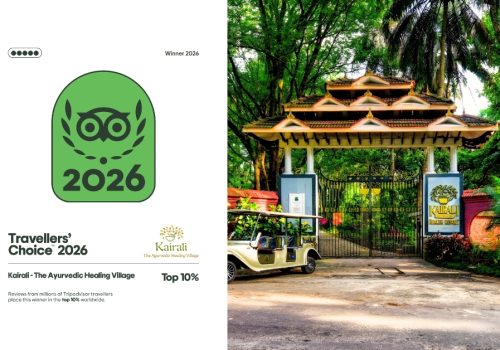







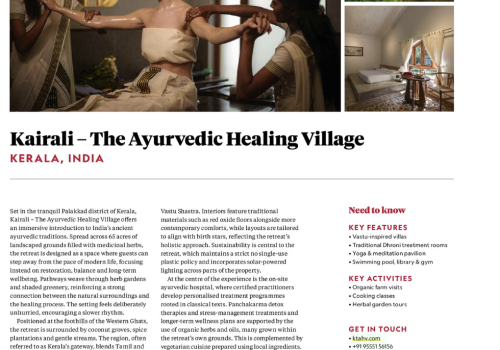

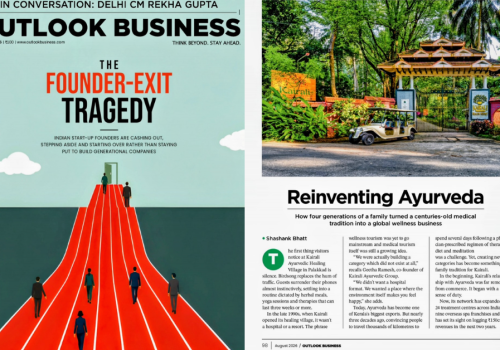


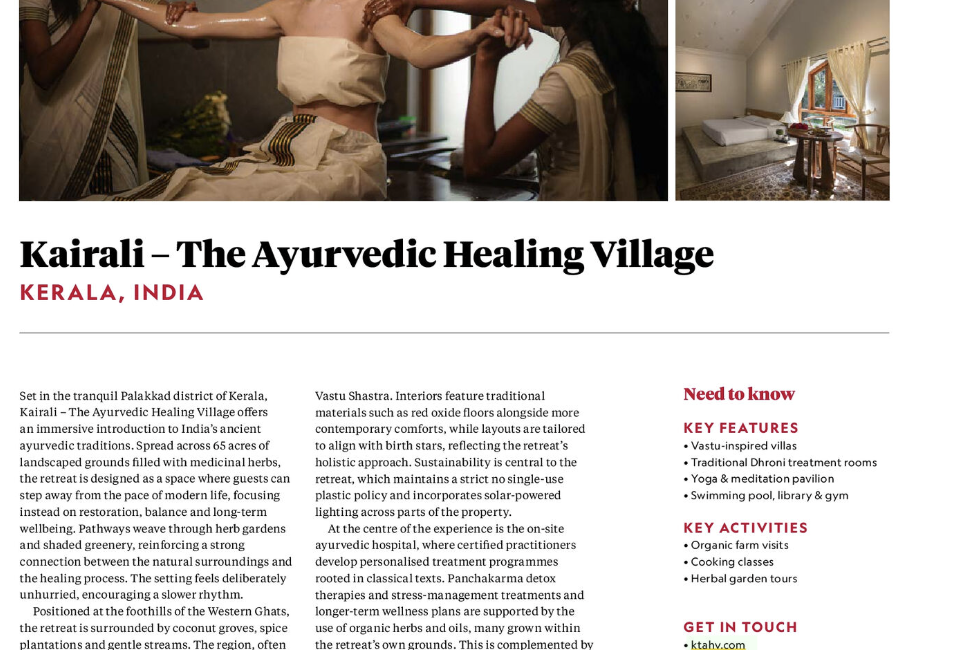

Kairali – The Ayurvedic Healing Village, in Palakkad, Kerala, has been featured in the August 2026 National Geographic Traveller Indian Ocean Collection.
The feature places Kairali within an international travel publication known for its coverage of destinations and travel experiences. For Kairali, it is an opportunity to introduce more readers to Ayurveda as a structured system of healthcare, rather than simply another form of wellness tourism.
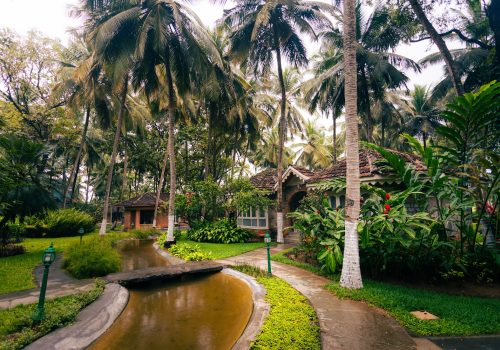
Located in Kodumbu, Palakkad, Kairali is an NABH-accredited Ayurvedic hospital-resort that combines traditional Ayurvedic practices with organised, practitioner-led care.
The recognition also opens a wider conversation: what should international travellers look for when choosing an Ayurvedic retreat?
Bringing Kerala’s Ayurveda to an International Audience
Kerala has a long association with Ayurveda, the traditional Indian system of medicine that considers diet, daily habits, seasonal changes and individual constitution when assessing health.
For international travellers, however, understanding the difference between an Ayurvedic wellness experience and supervised Ayurvedic care is not always straightforward.
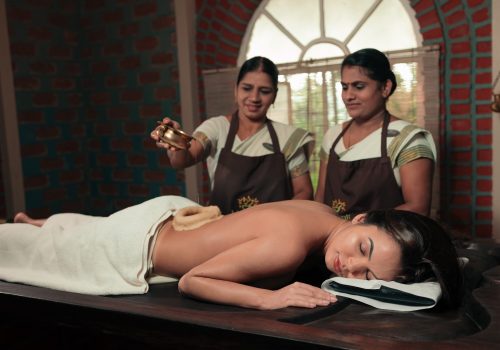
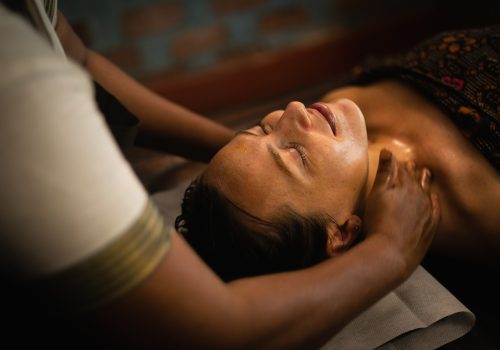
Some retreats focus mainly on relaxation and spa treatments. Others follow a more clinical approach, where qualified Ayurvedic physicians assess individual needs and determine appropriate therapies.
Kairali belongs to the latter category.
Its inclusion in the National Geographic Traveller Indian Ocean Collection 2026 creates an opportunity to explain this distinction to readers exploring Kerala as a wellness destination.
The setting, hospitality and surroundings all matter. But the professional standards behind the therapies deserve equal attention.
What Makes Kairali’s Ayurvedic Healing Village Distinctive?
Kairali, The Ayurvedic Healing Village, is the flagship property of Kairali Ayurvedic Group, founded in 1989 by K.V. Ramesh and Gita Ramesh.
The group draws on four generations of Ayurvedic practice within the founders’ family.
At its Palakkad property, the emphasis is on Ayurveda delivered within a structured healthcare environment.
Three aspects are particularly relevant to international visitors.
1. NABH-accredited Ayurvedic care
Kairali holds accreditation from the National Accreditation Board for Hospitals and Healthcare Providers (NABH) as an Ayurvedic Panchakarma clinic.
This is an important distinction for travellers assessing the standards of a facility.
Accreditation offers a more meaningful reference point than promotional descriptions alone. It allows prospective guests to consider the systems, processes and professional standards associated with a healthcare establishment.
2. A practitioner-led approach
Ayurveda places considerable importance on individual assessment.
In traditional Ayurvedic practice, physicians consider factors such as prakṛti (individual constitution), diet, daily routine and current health concerns before determining an appropriate approach.
This is especially relevant to Pañcakarma (a group of five classical Ayurvedic purification procedures), which requires professional assessment and supervision.
Not every therapy is appropriate for every person. Individual health conditions, medication use and contraindications must be considered.
3. A setting connected to Kerala’s Ayurvedic traditions
Kairali’s location in Palakkad places it within Kerala, a region with an established history of Ayurvedic education and practice.
The property’s identity combines this regional context with the group’s experience in operating Ayurvedic healthcare and hospitality services.
For visitors, this offers an opportunity to understand Ayurveda through its methods and professional practices, alongside the experience of staying in Kerala.
Why International Recognition Matters
A feature in an international travel publication can introduce a destination to readers who might not otherwise encounter it.
For Ayurveda, that visibility brings both opportunity and responsibility.
Travel coverage often places considerable attention on scenery, accommodation and the appeal of stepping away from everyday routines. These are legitimate parts of the travel experience.
Yet they do not explain how Ayurvedic care is delivered or how a reader should evaluate its suitability.
A credible Ayurvedic retreat should be able to answer practical questions.
Who conducts the initial assessment? What qualifications do the practitioners hold? How are therapies selected? What safety procedures are followed? Are the expected benefits explained without guarantees?
These questions help travellers distinguish between appealing wellness descriptions and meaningful information about care.
At WhyAyurveda, we believe this distinction deserves greater attention as Ayurveda reaches international audiences.
Ayurveda, Wellness and the Importance of Evidence
Greater visibility should not be confused with proof of medical effectiveness.
Ayurveda includes a wide range of traditional practices, from dietary guidance and daily routines to herbal preparations and supervised procedures.
The scientific evidence supporting these practices varies considerably. Some individual interventions have been investigated in clinical studies, while others require stronger research before reliable conclusions can be drawn.
An accreditation or a travel-media feature does not establish that a particular therapy will produce a specific health outcome.
This distinction matters.
Readers considering an Ayurvedic programme should look for qualified practitioners, clear explanations, appropriate safety standards and realistic expectations. Those managing an existing medical condition should also discuss their plans with their treating physician.
Ayurveda can be explored responsibly without overstating what is currently known about its effectiveness.
A Wider Opportunity for Kerala’s Ayurvedic Sector
Kairali’s appearance in the August 2026 National Geographic Traveller Indian Ocean Collection is a welcome moment of visibility for the Healing Village.
It also provides an opportunity to discuss how Kerala’s Ayurvedic sector presents itself to international travellers.
The most useful conversation is not simply about attracting visitors. It is about helping them make informed choices.
Clear information about practitioners, accreditation, the nature of therapies and the limits of available evidence can help readers approach Ayurvedic wellness travel with greater confidence.
For Kairali, the feature brings its Palakkad property to a wider audience. For readers unfamiliar with Ayurveda, it provides a starting point for exploring the practice and the questions worth asking before planning a visit.
Read the National Geographic Traveller Feature
Explore Kairali – The Ayurvedic Healing Village, in the August 2026 National Geographic Traveller Indian Ocean Collection.



Leave a Reply