










The recognition comes as wellness travel increasingly asks destinations to demonstrate substance behind the experience, from practitioner-led care to credible standards of practice.
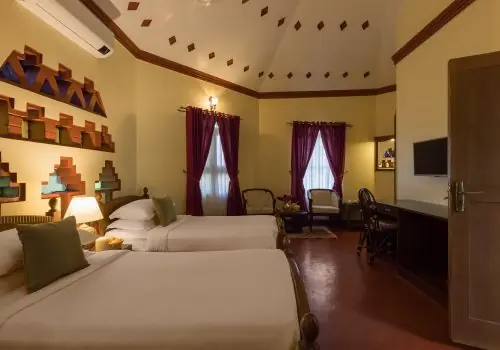
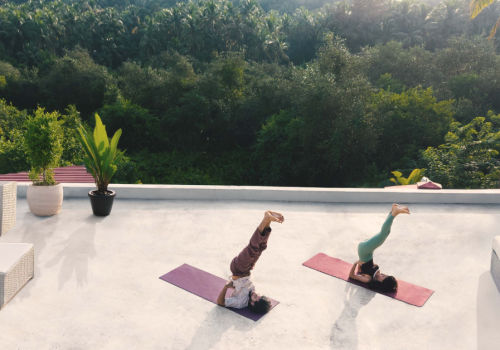
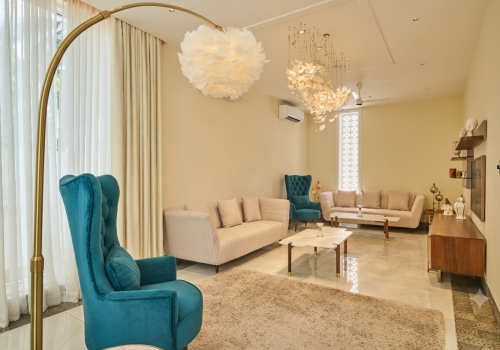
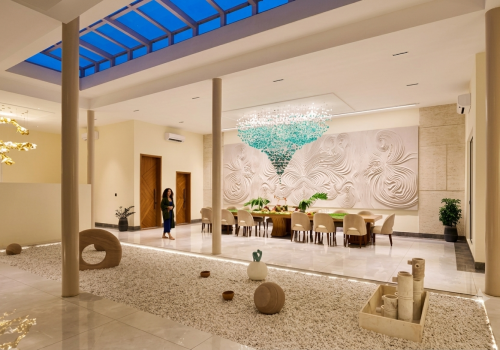
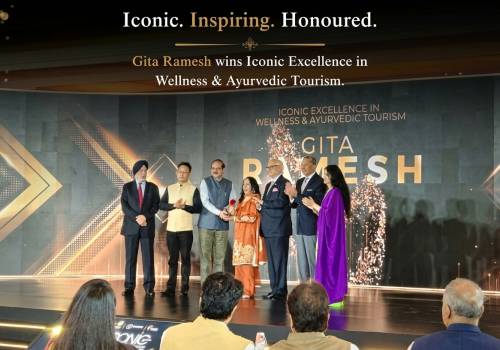
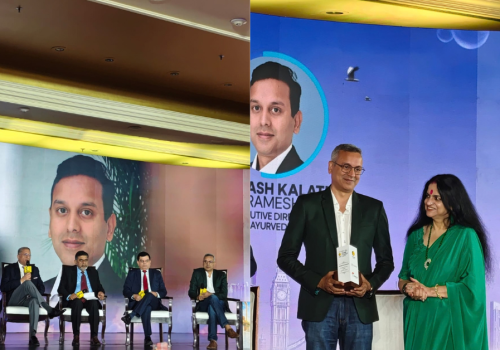
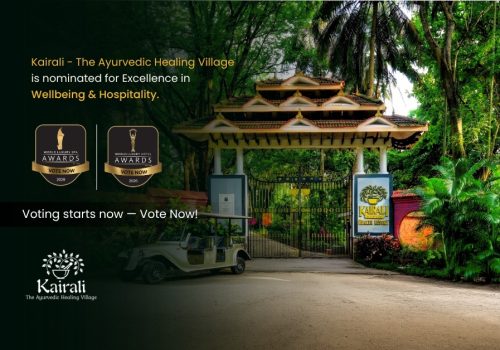
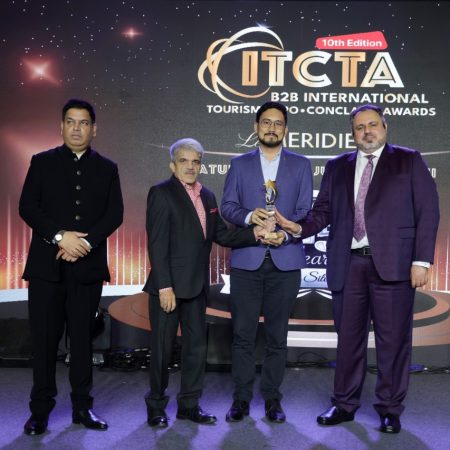
Kairali – The Ayurvedic Healing Village has been named Best Wellness Resort at the Global Tourism Excellence Awards 2026, presented by Travel World Online.
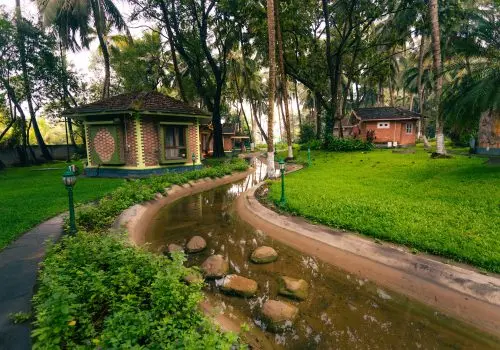
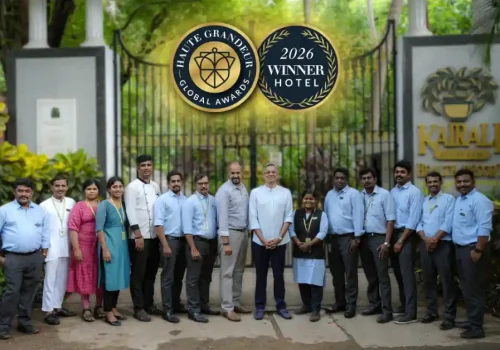
The awards were held in Noida in September 2026 and brought together organisations and professionals from across travel, tourism and hospitality. Kairali – The Ayurvedic Healing Village, the Group’s flagship property in Palakkad, Kerala, was recognised in the Best Wellness Resort category.
For Kairali, the award is significant for a reason that goes beyond hospitality.
The Healing Village operates at the intersection of two worlds that are increasingly overlapping: international wellness travel and physician-led Ayurvedic care. That distinction matters at a time when the term “wellness resort” can describe everything from a spa-led holiday to a structured health programme.
What does a wellness award mean for an Ayurvedic hospital-resort?
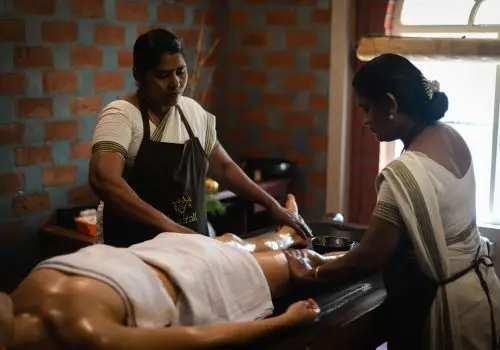
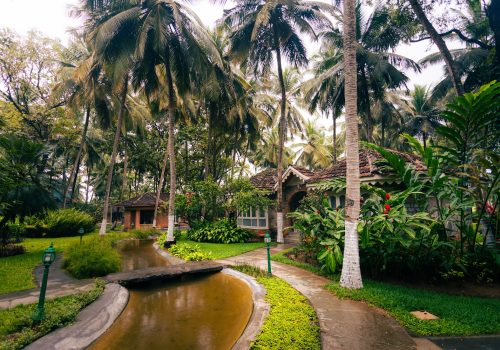
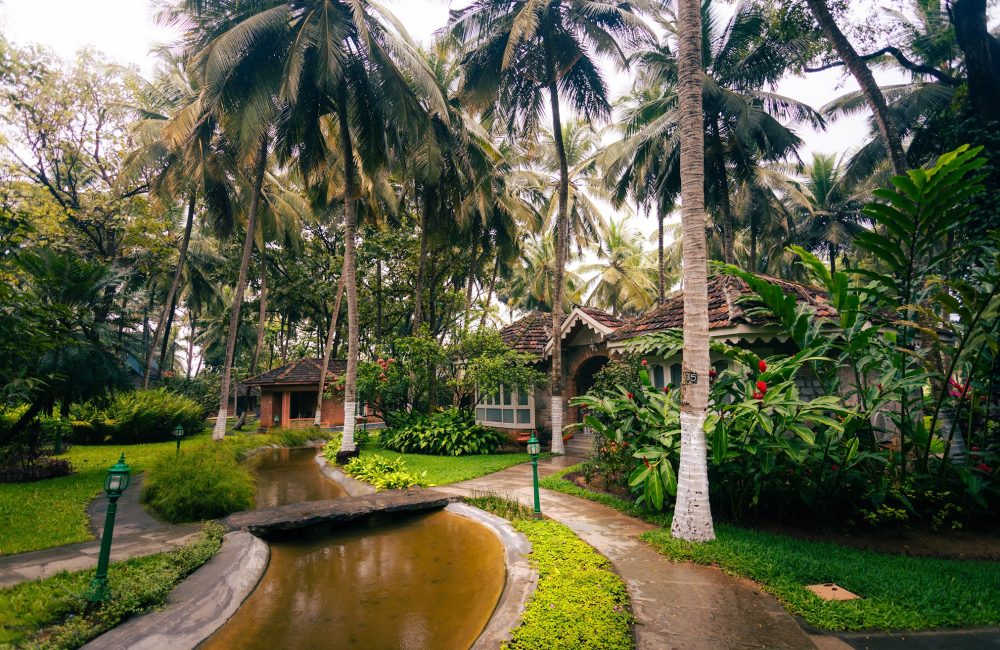
Kairali – The Ayurvedic Healing Village is an NABH-accredited Ayurvedic hospital-resort in Kodumbu, Palakkad. Its programmes are built around Ayurvedic physician consultation, individual assessment and therapies delivered within a classical Ayurvedic framework.
That clinical structure sits alongside the experience of travelling to Kerala for an extended stay.
For an international guest, the two cannot easily be separated. Accommodation, food, rest, environment and daily routine form part of the stay, but Ayurveda is not simply an amenity added to the resort experience.
This distinction is becoming more relevant as wellness tourism expands.
Travellers today encounter a broad spectrum of offerings under the wellness label: medical wellness, retreats, spas, fitness programmes, meditation holidays, longevity centres and traditional systems of medicine. They may share an audience, but they do not necessarily share the same methodology.
At an Ayurvedic centre, the important questions therefore go beyond whether the setting is peaceful or the treatments are enjoyable.
Who conducts the initial assessment? How are therapies selected? What qualifications do practitioners hold? Are programmes standardised for every guest, or adapted after consultation? What clinical and institutional standards does the facility follow?
These are increasingly useful questions for travellers trying to distinguish between different forms of wellness care.
Keeping Ayurveda at the centre of the experience
Ayurveda is sometimes simplified in international travel coverage into massage, herbal oils or a general idea of relaxation.
Those elements may be visible, but they do not describe the system adequately.
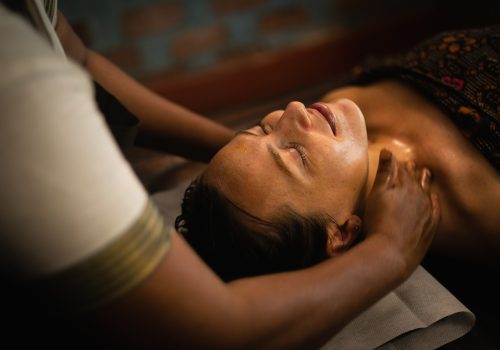
Classical Ayurvedic practice begins with assessment. A physician considers an individual’s constitution, current state, digestion, sleep, routine, medical history and other relevant factors before determining what may be appropriate.
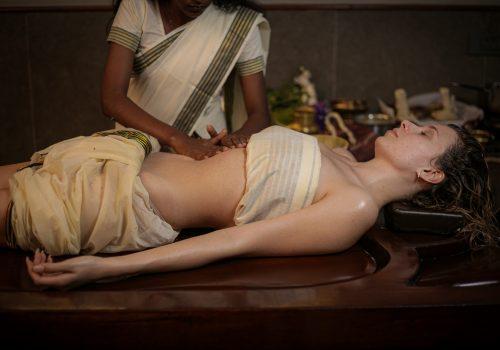
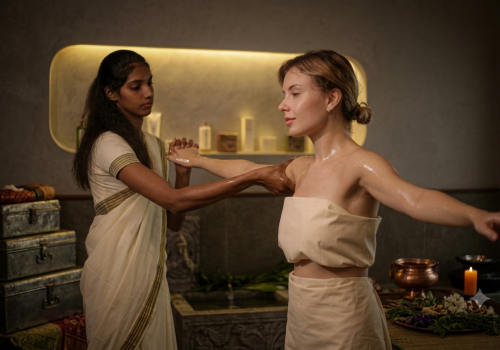
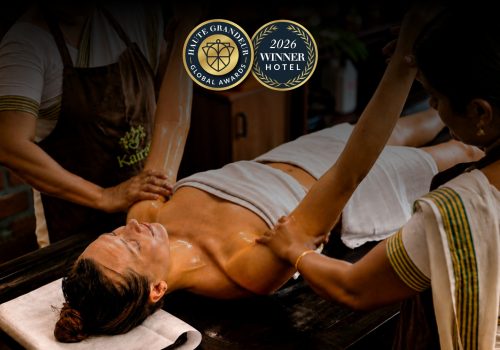
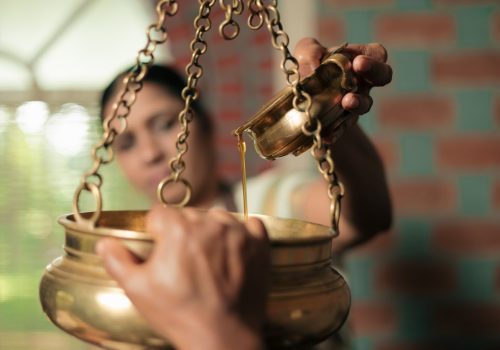
A structured programme may then involve changes to food and daily routine alongside supervised Ayurvedic therapies. Panchakarma, where appropriate, is likewise not a single treatment but a physician-guided therapeutic framework whose components vary according to the individual.
For international wellness travellers, understanding this distinction can make expectations more realistic.
An Ayurvedic programme is not automatically suitable for every person, and more treatment is not necessarily better treatment. Certain therapies have contraindications, and responsible practice requires individual assessment rather than a fixed menu of interventions.
That is one reason institutional standards and practitioner involvement matter.
Recognition within a wider year of international awards
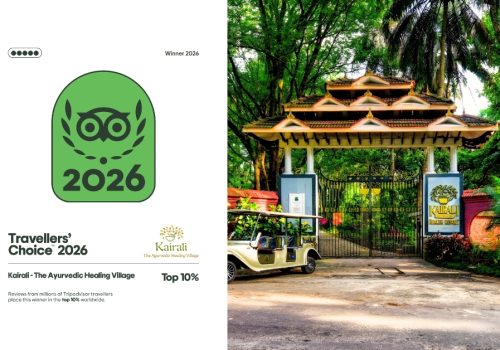
The Global Tourism Excellence Awards recognition forms part of a wider series of international acknowledgements received by Kairali – The Ayurvedic Healing Village.
In 2024, the property received four titles at the World Luxury Spa Awards, including the global title for Best Luxury Yoga & Wellness Retreat Worldwide.
It was subsequently recognised as Best Ayurvedic Healing Village at the International Tourism Conclave & Travel Awards 2025.
In 2026, KTAHV received the PATWA International Travel Award at ITB Berlin in the category Best Retreat Wellness – India. It was also recognised at the Asia Pacific Spa & Wellness Coalition Awards 2026 in Siem Reap, Cambodia, and designated an aytour Quality Partner 2026.
These recognitions come from different parts of the tourism and wellness industry, and they should not be treated as substitutes for clinical evidence or accreditation.
They do, however, show how Ayurveda is increasingly being encountered within the international wellness-travel conversation.
That creates both an opportunity and a responsibility.
Wellness tourism still needs clear distinctions
Awards can help travellers discover a destination. They cannot, by themselves, tell a traveller whether a particular programme is clinically appropriate or whether an Ayurvedic intervention will produce a particular health outcome.
Those questions require a different standard of evidence and, where individual health is concerned, qualified professional assessment.
For Ayurveda, this distinction is especially important.
Greater international interest should not require the system to be simplified into generic wellness language or presented through claims that the evidence cannot support. If anything, greater visibility makes accuracy more important.
The most useful development in wellness tourism would therefore not simply be more Ayurvedic resorts.
It would be greater clarity about what constitutes physician-led Ayurvedic care, what standards a facility follows, what a programme actually involves and where the limits of its claims lie.
For Kairali – The Ayurvedic Healing Village, recognition as Best Wellness Resort at the Global Tourism Excellence Awards 2026 sits within that larger context.
Watch the video here: https://www.youtube.com/watch?v=mYFdY8ceUlU



Leave a Reply