

























As the Ministry of Ayush draws attention to Ayurvedic approaches to menopausal health, a closer look at how personalised care, nutrition, sleep and daily routines can support women through this important life transition.
For many women, menopause brings changes that extend beyond the end of menstruation. Sleep may become disrupted, energy levels may fluctuate, and familiar routines may no longer feel quite right. Hot flushes, mood changes and joint discomfort can affect work, relationships and everyday life.
Yet menopause is not an illness. It is a natural biological transition, although its symptoms can sometimes require medical attention.
Ahead of World Menopause Day on 18 October 2026, India’s Ministry of Ayush highlighted the importance of a broader approach to menopausal health. The announcement, reflected in The Daily Guardian’s coverage titled “Ayurveda Promotes Holistic Approach to Menopausal Health,” drew attention to Ayurvedic dietary practices, lifestyle guidance, yoga and research into traditional formulations.
The message deserves attention. But it also needs an important qualification: a comprehensive approach to menopause must combine personalised support with an honest understanding of what the evidence can establish.
This is where Ayurveda has a useful contribution to make.
Understanding Menopause Beyond Hormones
Menopause is usually diagnosed after 12 consecutive months without menstruation, provided there is no other medical explanation.
The preceding phase, known as perimenopause, can continue for several years. During this time, fluctuations in reproductive hormones may affect temperature regulation, sleep, mood and menstrual patterns.
The experience varies considerably. Some women notice relatively few changes. Others face persistent night sweats, sleep difficulties, anxiety, vaginal dryness or physical discomfort.
Hormonal changes are central to this process, but they are not the only factors influencing a woman’s well-being. Nutrition, physical activity, stress, existing health conditions and sleep habits also matter.
A good menopause care plan therefore needs to consider both symptom relief and wider health, including bone strength, cardiovascular risk and emotional well-being.
How Does Ayurveda Understand Menopause?
Ayurveda describes the cessation of menstruation through the concept of Rajonivṛtti (the end of the menstrual cycle).
Rather than approaching every woman’s experience in the same way, Ayurvedic practitioners consider individual characteristics, digestive function, daily habits and patterns of physical and emotional discomfort.
The three doṣas, or functional principles known as Vāta, Pitta and Kapha, are part of this traditional assessment.
In classical Ayurvedic interpretation, Vāta is associated with movement and variability, Pitta with transformation and heat, and Kapha with stability and structure.
These concepts may help practitioners organise an individualised care plan within the Ayurvedic framework. They are not equivalent to measurable hormones, and a dosha assessment should not be confused with a clinical endocrine evaluation.
The practical value of this approach is its attention to the person experiencing menopause, rather than a single symptom in isolation.
The Role of Food, Sleep and Daily Routine
One of Ayurveda’s most accessible contributions is its emphasis on Dinacaryā (daily routine).
Regular meals, consistent sleep schedules, suitable physical activity and periods of rest are familiar recommendations in modern preventive healthcare. Ayurveda also places these habits within a broader framework of individual constitution and changing life stages.
Nutrition and bone health
During and after menopause, adequate calcium, vitamin D, protein and regular weight-bearing activity are important considerations for bone and muscle health.
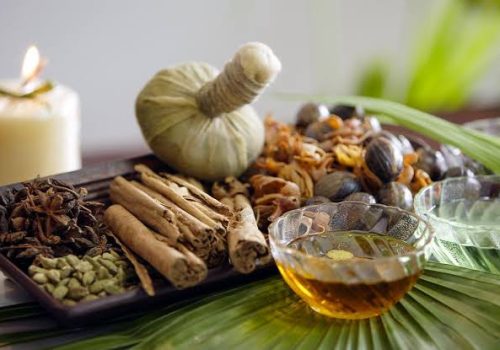
Ayurvedic dietary guidance may provide a structured way to consider meal regularity, food choices and digestive comfort. However, it should work alongside established nutritional recommendations rather than replace them.
Sleep and recovery
Night sweats and changes in sleep quality can make the menopausal transition especially demanding.
A consistent bedtime, an appropriate sleeping environment and relaxation practices may support general sleep health. Persistent sleep disruption deserves clinical assessment, particularly when it affects daytime functioning.
Movement and emotional well-being
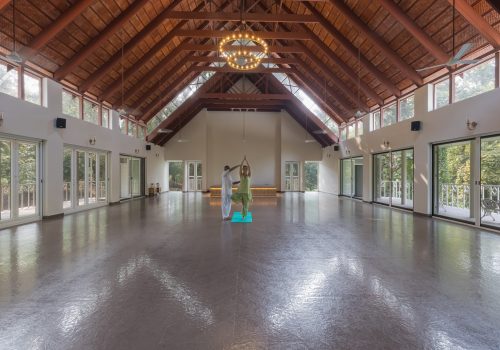
Yoga, breathing exercises and meditation are commonly incorporated into Ayurvedic lifestyle programmes.
These practices may offer benefits for relaxation, flexibility and psychological well-being. Their effects on specific menopausal symptoms are less certain and should not be overstated.
Together, these habits can form a practical foundation for self-care, regardless of whether a woman also uses hormone therapy or other medical treatments.
Can Ayurveda Help With Menopause Symptoms? What Research Says
Interest in complementary menopause care has grown, but the evidence is uneven.
The US National Center for Complementary and Integrative Health notes that some mind-body approaches, including mindfulness practices and hypnotherapy, have shown promise for certain menopause-related symptoms.
Yoga may contribute to general well-being and provide benefits comparable to other forms of physical activity. However, there is insufficient evidence that yoga specifically provides superior relief from hot flushes.
Research into herbal products is more uncertain. Many supplements promoted for menopausal symptoms have not demonstrated consistent clinical benefits, and some may interact with prescribed medicines or present safety concerns.
There is also a distinction between research on individual herbs or lifestyle practices and research on a complete, personalised Ayurvedic programme. Evidence from one cannot automatically establish the effectiveness of the other.
For women with troublesome menopausal symptoms, established options remain important. Hormone replacement therapy can be effective for hot flushes and night sweats, depending on individual suitability. Menopause-specific cognitive behavioural therapy and other non-hormonal approaches may also be appropriate.
Ayurvedic care is best considered as a possible complement to these options, with treatment decisions made alongside qualified healthcare professionals.
Personalised Ayurvedic Care at Kairali’s Healing Village
For women interested in exploring Ayurveda within a structured, practitioner-led environment, the setting and quality of assessment matter.
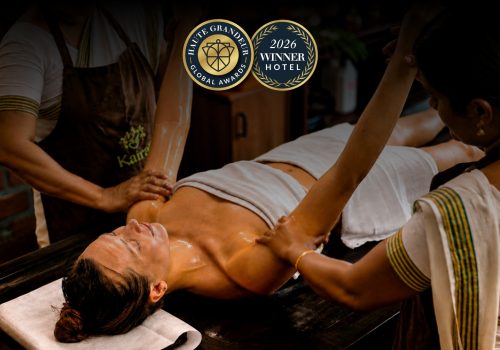
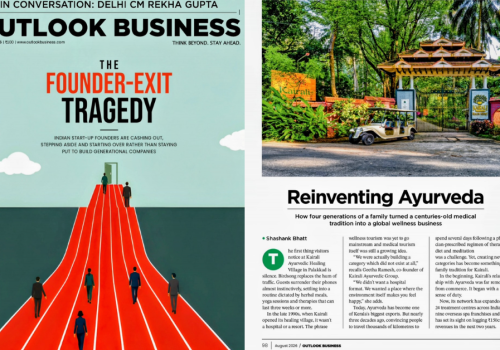
At Kairali – The Ayurvedic Healing Village in Palakkad, Kerala, women’s health is addressed through individualised Ayurvedic consultations and supervised wellness programmes.
The NABH-accredited Ayurvedic facility offers a dedicated Women’s Hormonal Balance & Endocrine Therapy programme, which includes perimenopausal and menopausal women among its intended participants.
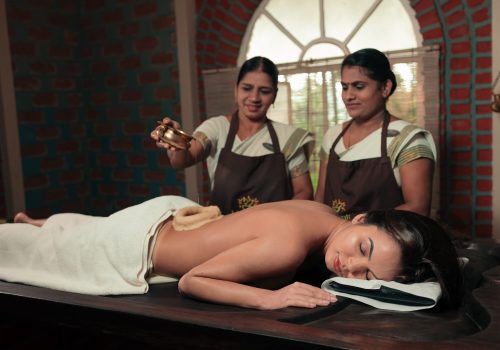
According to the programme description, care begins with an Ayurvedic consultation and may incorporate personalised dietary guidance, yoga, breathing practices, meditation and traditional body therapies.
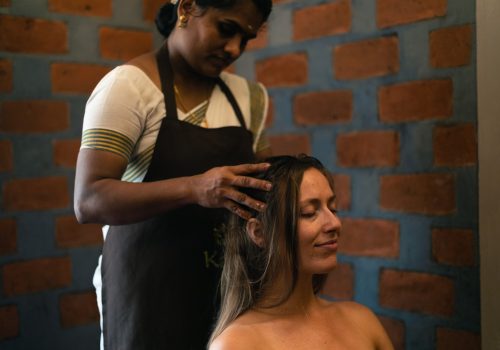
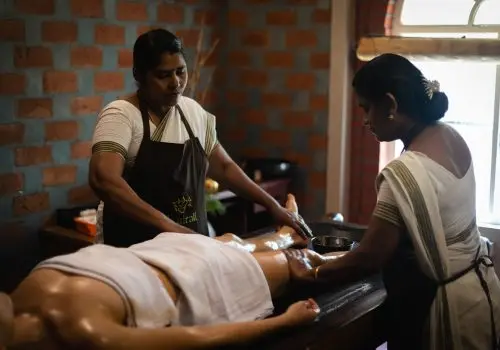
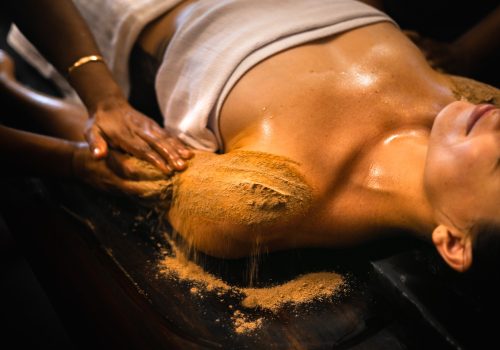
These may include Abhyaṅga (oil massage), selected Panchakarma procedures and other practitioner-directed interventions, depending on individual assessment.
The emphasis is on creating a structured environment in which daily routines, rest, nutrition and traditional Ayurvedic practices can be considered together.
It is important, however, to distinguish this approach from a clinically established hormonal treatment. The programme’s name does not establish that it can restore oestrogen levels, correct endocrine disorders or reverse menopause-related changes.
Women taking prescribed medication or receiving hormone therapy should discuss any proposed Ayurvedic interventions with their treating clinician and the Ayurvedic physician.
Why Integrating Traditional and Modern Care Matters
One of the most useful developments in menopause healthcare is growing recognition that women need choices informed by their symptoms, medical history and preferences.
For some, medication offers necessary relief. Others may wish to place greater emphasis on sleep, nutrition, exercise and stress management. Many benefit from a combination of approaches.
Ayurveda can contribute an organised framework for discussing daily habits and individual needs. Modern medicine contributes diagnostic standards, clinical risk assessment and treatments supported by controlled studies.
Neither perspective needs to exclude the other.
The Ministry of Ayush’s emphasis on further research is particularly relevant. Traditional use is an important part of Ayurveda’s history, but claims about effectiveness and safety still require rigorous investigation.
Women should be able to explore complementary care without feeling pressured to abandon medically recommended treatment or accept unsupported promises.
Menopause Deserves More Individualised Attention
The renewed discussion around Ayurveda and menopause points to an issue larger than any single healthcare tradition: women deserve care that takes the full experience of menopause seriously.
That means listening to symptoms, considering physical and emotional well-being, protecting long-term health and recognising that no two women experience the transition in precisely the same way.
Ayurveda offers one framework for approaching those conversations through nutrition, routine, rest and practitioner-guided care.
Its contribution is most credible when traditional practices are described accurately, medical limitations are acknowledged and women are supported in making informed choices.
Menopause is a natural stage of life. The care surrounding it should be thoughtful, individualised and grounded in both evidence and respect for the person experiencing it.
Explore Kairali’s Approach to Women’s Health
For those considering structured Ayurvedic support during perimenopause or menopause, explore Kairali’s Women’s Hormonal Balance & Endocrine Therapy programme and speak with a qualified Kairali Ayurvedic physician about its suitability alongside your existing healthcare.
Website: www.ktahv.com
Call: +91-9555156156







Leave a Reply