





























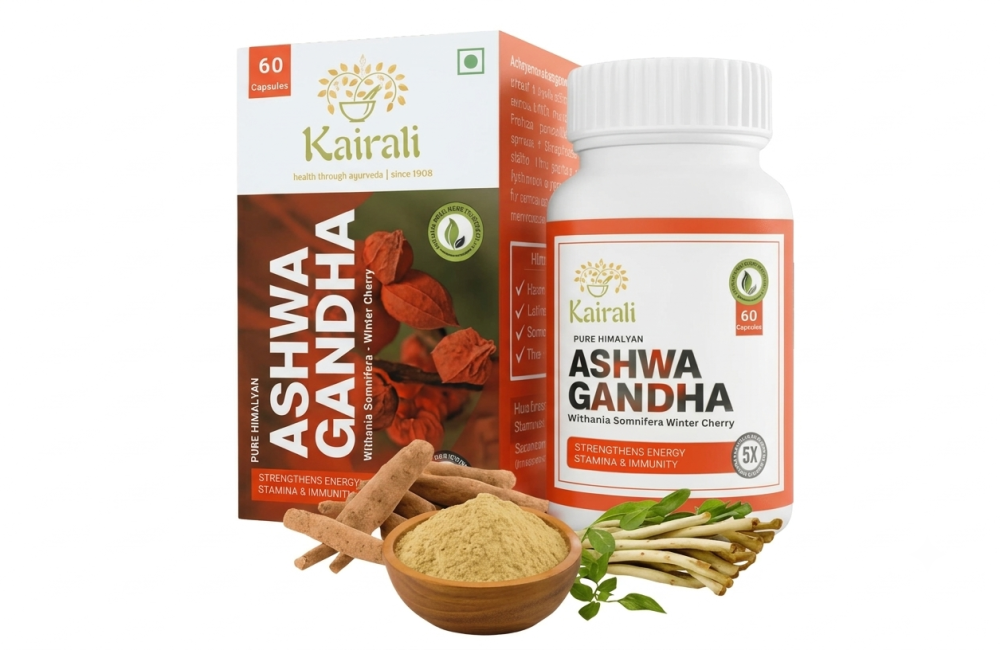

As an Ayurvedic physician, I often meet people who are curious about Ashwagandha but worried about their liver and kidneys. The good news is that recent clinical data give us a more reassuring picture when Ashwagandha is used correctly.
In this article I will walk you through what the new study says, how it fits with classical Ayurveda, and what this means for safe use in practice.
What did the new Ashwagandha liver study actually do?
A large randomised, placebo‑controlled trial registered on the Clinical Trials Registry of India (CTRI/2021/06/034496) evaluated standardised Ashwagandha root extract for 24 weeks.
Participants were divided into two groups:
- One group received 500 mg capsule of standardised Ashwagandha root extract daily (equivalent to about 4 g root powder).
- The other group received a matching placebo.
The trial was conducted across seven research centres in India, with 1,200 people enrolled and 1,032 completing the study.
Because this was done through national Ayurveda and medical institutions, it used regular clinical, laboratory and immunological monitoring.
Ashwagandha liver safety: what did they find for liver and kidney?
The key question was: does long‑term standardised Ashwagandha harm liver or kidney function?
Across 24 weeks of intake and follow‑up till week 28, routine parameters stayed within normal reference ranges in the study population:
- Liver enzymes
- Bilirubin
- Serum creatinine
- Blood urea
The researchers did not find evidence of treatment‑related liver or kidney injury in the group taking Ashwagandha compared with placebo.
No serious adverse event was judged to be related to the study intervention, and no participant stopped specifically because of Ashwagandha‑related side effects.
From a safety‑monitoring perspective, this trial supports that standardised Ashwagandha root extract, taken daily for 24 weeks under supervision, had a favourable liver and kidney safety profile in this population.
Does Ashwagandha interfere with vaccine‑related immunity?
The same trial also explored whether Ashwagandha affects immune response after the Covishield (ChAdOx1 nCoV‑19) vaccine.
Researchers measured virus‑neutralising activity after vaccination in both groups.
They found:
- More than 85% virus‑neutralising activity in both the Ashwagandha and placebo groups.
- No statistically significant difference between the two.
In plain terms, they did not see evidence that Ashwagandha disturbed the immune response generated by the vaccine.
For readers who like to check primary sources, this study was published in Frontiers in Medicine.[^1]
[^1]: The full article can be accessed on the Frontiers in Medicine website by searching for “Ashwagandha” and the CTRI number.
How does this align with classical Ayurvedic thinking?
In Ayurveda, Ashwagandha is traditionally described as a rejuvenative herb. Its use is individualised according to constitution, digestion, age, season and overall health context.
However, our texts and teachers are also very clear on three points:
- Right substance: authentic herb, correctly identified.
- Right dose: adjusted to the person, not copied from a label or social media.
- Right context: suitable diet, lifestyle and co-medications.
For those new to Ayurveda, our overview on what Ayurveda is and why it matters can give useful background.
Why do we still hear about liver problems and Ashwagandha?
As clinicians, we must hold two truths at once:
- Population‑level trial data show a reassuring safety profile for properly made, standardised preparations.
- Individual cases of liver or kidney stress have been reported worldwide in association with herbal supplements labelled as Ashwagandha.
From an Ayurvedic and regulatory perspective, several issues can sit behind the scare stories:
- Product quality: adulteration, contamination, or wrong plant species.
- Excessive dosing: taking more than needed or combining multiple products with the same herb.
- Self‑prescription: ignoring existing liver, kidney or medication history.
- Lack of monitoring: no follow‑up for early warning signs.
At Kairali, our physicians routinely review all supplements a person is already taking before adding an Ayurvedic formulation. This simple step often reduces risk more than people expect.
Practical safety guidelines I follow in clinic
Based on classical teaching, current evidence, and daily practice, these are some principles I use when considering Ashwagandha with patients:
- Always individualise: I avoid a one-dose-fits-all approach because constitution, age, sensitivity and overall health context can change what is appropriate.
- Check the baseline: If someone has a known liver or kidney condition, I prefer coordination with their physician and may prioritise other herbs instead.
- Use reputable products: Standardised extracts or classical formulations from audited manufacturers, with clear labelling, are non‑negotiable.
- Start low, review often: Particularly in older adults or those on multiple medications, I begin with a lower dose and reassess.
- Watch for early signals: Unusual fatigue, dark urine, itching, or persistent nausea are reasons to pause and review, not “push through”.
When we approach Ashwagandha in this structured way, the modern data on Ashwagandha liver safety support what careful clinicians have observed for years.
What this means for you – and for referring partners
If you are a yoga teacher, retreat organiser or referring clinician considering Ayurveda for your community, this trial offers two key reassurances:
- Long‑term, supervised use of a standardised Ashwagandha root extract did not show therapy‑related harm to liver or kidney function in the studied group.
- It did not blunt the immune response to Covishield vaccination in that setting.
At the same time, it does not license casual, unsupervised mixing of multiple herbs and high doses.
Ayurveda works best when personalised and integrated, not when lifted out of context.
If you wish to understand how we extend this same safety mindset to deeper interventions like Panchakarma, our detailed guide to the real Panchakarma experience may be a helpful next read.
A balanced way forward
For me, the main takeaway from this research is simple: when Ashwagandha is well‑made, well‑dosed and well‑monitored, current evidence does not show inherent liver or kidney toxicity in the way some headlines suggest.
It should not be interpreted as evidence that every Ashwagandha preparation, dose or population carries the same safety profile. Thoughtful use still requires attention to the specific product, dose, individual context and medical guidance.
As always, do not start or stop any supplement without discussing it with a qualified physician who knows your full medical history.
Medical and clinical claims in this article are subject to review and sign‑off by Dr. Deepu John before going live.







Leave a Reply