


















An independent travel feature on offers a closer look at Kairali – The Ayurvedic Healing Village in Palakkad, Kerala, and the role of personalised care in an Ayurvedic retreat.
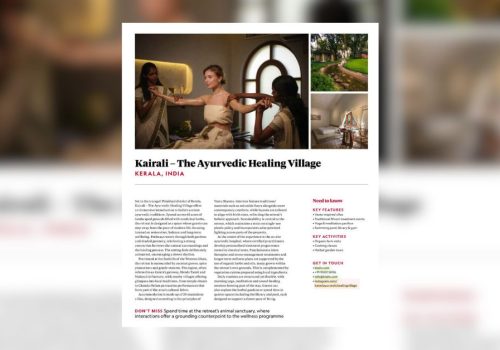
Kairali – The Ayurvedic Healing Village in Palakkad, Kerala, was recently featured in Elsepost, an online publication covering travel, lifestyle and contemporary experiences.
Published on 27 October 2026, the article, titled “Kairali Ayurvedic Healing Village: Our Stay in Palakkad”, shares the publication’s first-hand experience of staying at Kairali.
The feature explores the peaceful surroundings, Ayurvedic therapies, vegetarian meals and daily routines that shape a stay at the property.
One detail in the review is particularly important: the experience begins with an Ayurvedic doctor, rather than a selection of spa treatments.
This distinction helps explain how a physician-led Ayurvedic retreat operates and what visitors should understand before choosing one.
An Ayurvedic Retreat Where Care Begins With Consultation
Located in Kodumbu, Palakkad, Kairali – The Ayurvedic Healing Village is an NABH-accredited Ayurvedic hospital-resort offering physician-supervised wellness programmes.
Unlike a conventional spa visit, where guests typically select treatments based on personal preference, Kairali begins with an individual consultation.
During this assessment, Ayurvedic physicians consider factors such as:
- Daily routines and lifestyle habits
- Sleep patterns and digestion
- Health history and existing concerns
- Individual constitution and current wellbeing
These observations help physicians determine which therapies, dietary arrangements and daily routines may be appropriate.
The Elsepost feature highlights this consultation-led process as one of the defining aspects of the stay.
It also describes how physicians review guests’ progress and make adjustments where required.
This ongoing supervision is an important part of structured Ayurvedic care. Treatment choices are informed by individual assessment rather than a standard menu of experiences.
Experiencing Traditional Ayurvedic Therapies
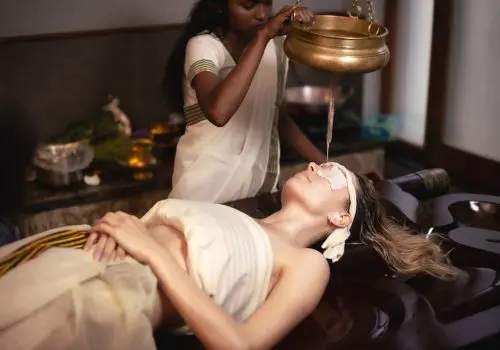
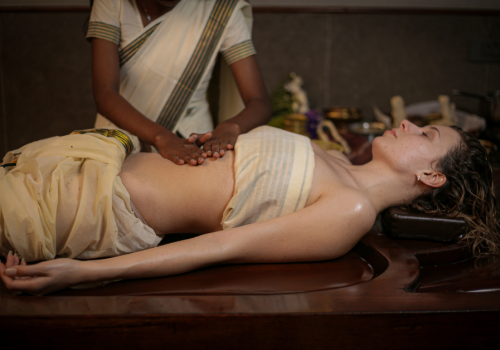
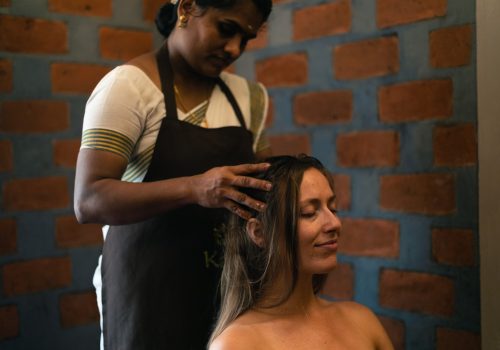
The Elsepost team also shared its experience of several therapies offered at Kairali, including Abhyangam and Shirodhara.
Abhyangam (Ayurvedic oil massage) involves the application of oils through traditional massage techniques. The choice of oil and method may vary according to the practitioner’s assessment.
Śirodhārā (continuous pouring of liquid over the forehead) is another widely recognised Ayurvedic procedure. It is traditionally associated with relaxation and is often incorporated into broader Ayurvedic programmes.
The reviewer described the Shirodhara session as particularly calming and reported falling asleep during the procedure.
Such personal experiences provide useful insight into what a treatment session can feel like. However, individual responses should not be confused with clinical evidence of effectiveness.
Although these therapies have long histories in Ayurvedic practice, modern research into their specific health effects remains limited. They should not be presented as substitutes for necessary conventional medical care.
At a supervised Ayurvedic facility, practitioners assess whether a particular procedure is suitable, taking account of individual circumstances and safety considerations.
Why Food and Daily Routine Matter in Ayurveda
Another aspect of the Elsepost review is the attention given to food.
At Kairali, vegetarian meals form part of the daily programme, with dietary arrangements guided by Ayurvedic principles and physician recommendations.
The publication’s account describes an adjustment to the lighter food initially, followed by an appreciation of the meals, particularly a beetroot dosa.
This illustrates an important feature of an Ayurvedic stay: food is considered part of the overall routine rather than simply a hospitality service.
Ayurveda places considerable emphasis on āhāra (diet) and dinacaryā (daily routine).
Meal timing, preparation methods, rest and physical activity are considered alongside prescribed therapies.
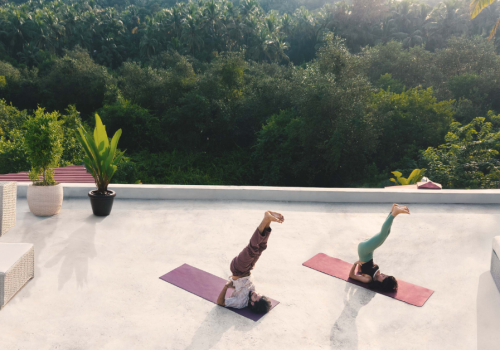
The daily schedule may include yoga, meditation, supervised treatments and periods of rest.
While these practices can support a structured approach to wellbeing, their effects vary between individuals. Dietary recommendations should also account for existing medical needs, allergies and nutritional requirements.
The Role of Kerala’s Natural Environment
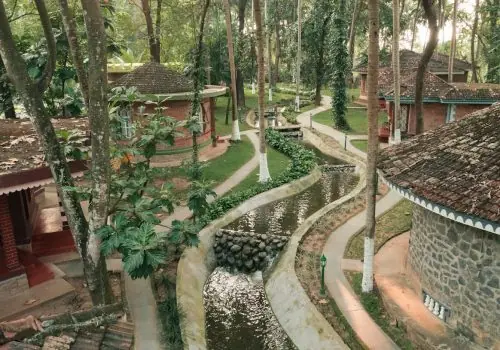
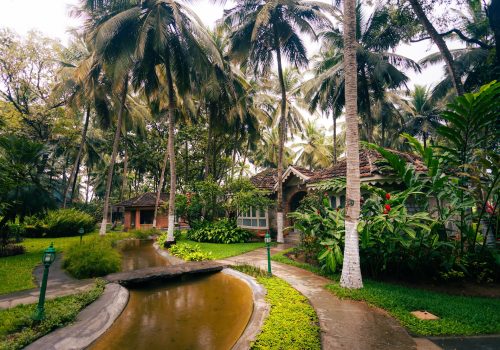
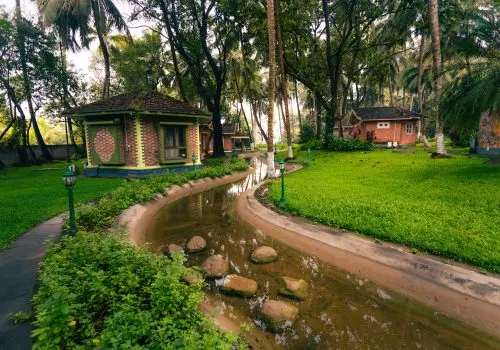
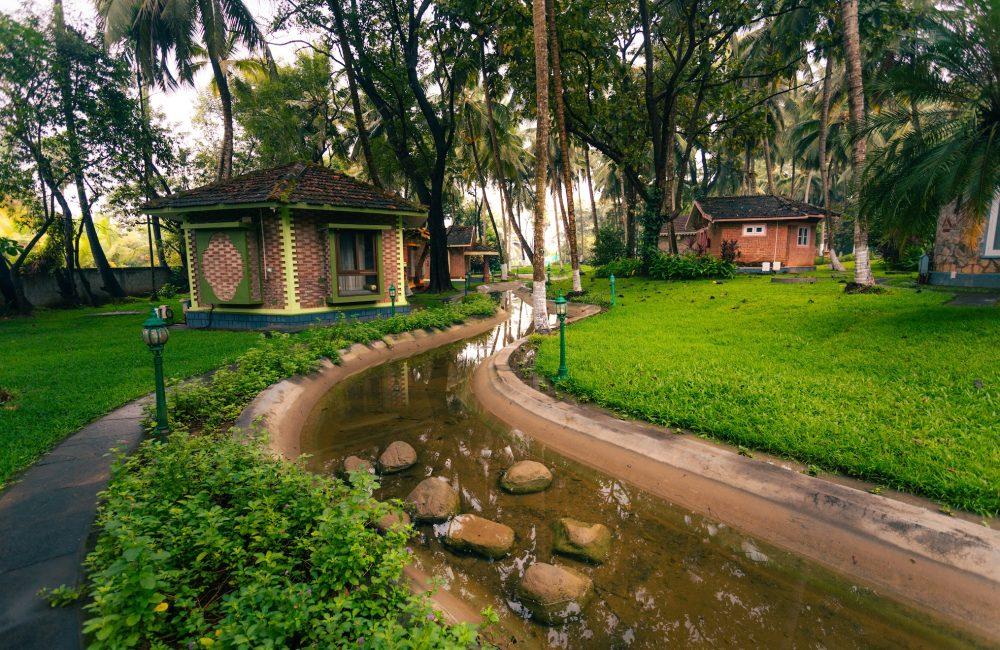
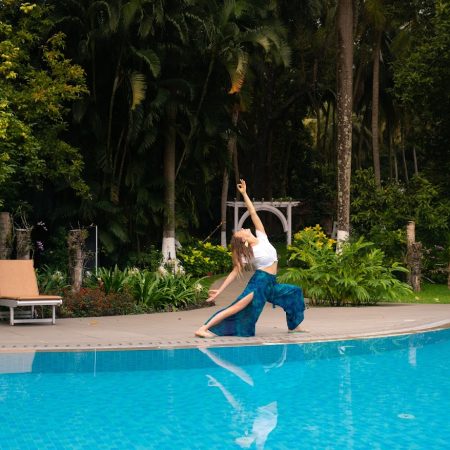
The Elsepost feature describes the greenery surrounding Kairali, including coconut groves, walking paths and landscaped spaces.
Palakkad’s location near the Western Ghats gives the property a distinctive setting, away from the pace of major urban centres.
For visitors accustomed to busy schedules, the quieter environment may make it easier to follow a structured routine.
However, the value of an Ayurvedic retreat cannot be measured by its surroundings alone.
The clinical framework matters equally.
At Kairali, this includes physician assessment, individually planned therapies, dietary guidance and ongoing supervision.
The property holds NABH accreditation as an Ayurvedic hospital and the Government of Kerala’s Green Leaf Certification, the state’s highest classification for Ayurveda centres.
These credentials provide useful information about the facility and its standards. They do not, however, guarantee particular health outcomes.
How Is a Physician-Led Ayurvedic Retreat Different From a Spa Holiday?
Both experiences may offer relaxation, quiet surroundings and opportunities to step away from daily routines.
Their approaches can nevertheless differ.
A conventional spa stay often allows guests to choose individual treatments from a menu.
A physician-led Ayurvedic programme begins with an assessment and follows a planned schedule based on the practitioner’s recommendations.
This distinction becomes particularly relevant when considering Pañcakarma (Ayurveda’s traditional five-part purification framework).
Panchakarma is a structured set of traditional procedures that requires individual assessment, careful preparation and practitioner supervision. It is not simply another name for an oil massage or a relaxation package.
Not every visitor requires Panchakarma, and not every procedure is suitable for every person.
People with existing medical conditions, those taking medication, and pregnant travellers should discuss the suitability of a programme with qualified healthcare professionals before beginning treatment.
An Ayurvedic residential programme is therefore best understood in terms of its methods, supervision and suitability rather than promises of particular results.
What First-Time Visitors Can Learn From the Elsepost Experience
One of the useful aspects of the Elsepost review is that it presents Ayurveda through the perspective of travellers encountering a residential Ayurvedic programme for the first time.
The article touches on practical elements that prospective visitors may not initially consider: consultations, scheduled therapies, dietary changes and a daily routine with fewer distractions.
It also shows that an Ayurvedic retreat asks for a different kind of participation from the guest.
Rather than selecting occasional treatments between sightseeing activities, visitors follow a programme in which meals, rest and therapies are planned together.
For those considering an Ayurvedic retreat in Kerala, understanding this structure beforehand can help establish realistic expectations.
Travellers should ask about physician qualifications, the purpose of recommended procedures, safety precautions and how the programme accommodates their individual health needs.
A Closer Look at Ayurveda in Palakkad
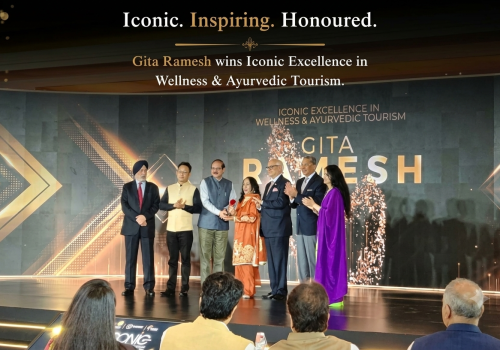
Founded in 1989 by K.V. Ramesh and Gita Ramesh, Kairali Ayurvedic Group draws on four generations of Ayurvedic practice in the founders’ family.
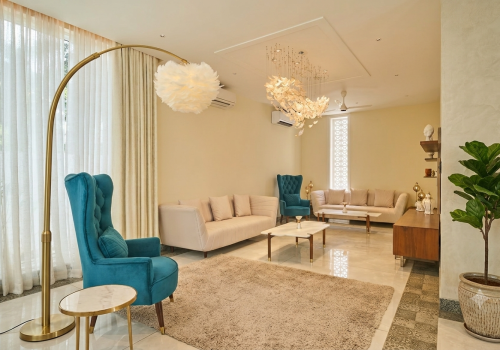
Its flagship property in Palakkad brings this background into a residential setting, combining Ayurvedic consultation, supervised therapies, vegetarian cuisine and daily wellness practices.
The recent Elsepost coverage offers an independent visitor’s perspective on that experience.
More importantly, it draws attention to a question worth asking of any Ayurvedic retreat: what happens beyond the treatments themselves?
At a physician-led facility, the answer lies in the assessment, planning and supervision that guide the stay.
These elements give the experience its structure and help visitors make informed decisions about whether a particular programme is appropriate for them.
Explore Kairali – The Ayurvedic Healing Village
Discover Kairali’s physician-led Ayurvedic programmes, residential facilities and consultation process in Palakkad, Kerala.
Leave a Reply