




























From festive meals and mindful eating to yoga and post-Diwali recovery, discover how Ayurveda can help you maintain healthy routines before, during and after the celebrations.
Diwali brings families together through lights, celebrations, traditional foods and shared moments. It is a time to enjoy familiar traditions, reconnect with loved ones and welcome new beginnings.
However, the festive season can also disrupt our everyday routines. Late-night gatherings, rich meals, frequent snacking and reduced sleep may leave us feeling tired or uncomfortable.
Ayurveda offers a practical way to approach the festive season: enjoy the celebrations while paying attention to your digestion, rest and daily habits.
The aim is not to avoid sweets or follow restrictive diets. It is to find a comfortable balance between festive enjoyment and personal wellbeing.
Here are some Ayurvedic tips for Diwali that you can follow before, during and after the celebrations.
Before Diwali: Prepare Your Body and Routine
The days leading up to Diwali are often busy with cleaning, shopping, travelling and preparing festive meals.
Small adjustments to your routine can make this period more manageable.
1. Maintain regular mealtimes
In Ayurveda, agni (digestive fire) describes the body’s capacity to process food.
Traditional Ayurvedic dietary guidance places importance on regular meals, freshly prepared food and eating according to appetite.
Before the festivities begin, try to maintain consistent mealtimes. Include vegetables, whole grains and familiar home-cooked dishes rather than skipping meals in anticipation of festive feasts.
2. Prioritise adequate sleep
Festive preparations can easily extend late into the evening.
Try to maintain your usual sleep schedule before Diwali. Adequate sleep supports concentration, mood and general wellbeing, making it easier to enjoy the celebrations.
3. Stay hydrated
During busy days, it is easy to forget to drink enough water.
Keep water accessible while shopping, travelling or preparing meals. Warm water and unsweetened herbal infusions can also be pleasant options, depending on personal preference.
There is no need to force excessive amounts of water for a supposed cleansing effect.
During Diwali: Enjoy Festive Foods Mindfully
Diwali celebrations would be incomplete without traditional sweets and savoury dishes.
Ayurveda does not require you to give up these foods. Instead, its dietary principles encourage awareness of appetite, portions and individual comfort.
A few practical habits may help:
- Enjoy your favourite sweets in comfortable portions.
- Avoid skipping regular meals to compensate for festive eating.
- Eat slowly and take time to appreciate your food.
- Include vegetables and other fibre-rich foods alongside richer festive dishes.
- Pay attention to fullness rather than continuing to eat out of habit.
The goal is to enjoy festive food without turning every meal into an occasion for overeating.
If a meal feels particularly heavy, return to your usual eating pattern rather than attempting to compensate through fasting or restrictive diets.
Yoga During Diwali: Make Time for Gentle Movement
The festive season can be physically and mentally demanding. Yoga offers an opportunity to slow down and maintain a familiar movement routine.
Research suggests that yoga may support stress management, sleep and emotional wellbeing, although benefits vary between individuals.
Consider these gentle practices during the festivities:
Tadasana (Mountain Pose)
A simple standing posture that encourages body awareness and an upright stance.
Marjaryasana–Bitilasana (Cat-Cow Movement)
A gentle sequence involving controlled movement of the spine, often included in beginner yoga sessions.
Balasana (Child’s Pose)
A resting posture that may feel comfortable after a busy day, provided there are no relevant physical limitations.
Gentle breathing practices
Slow, comfortable breathing can provide a brief opportunity to settle the mind between celebrations.
Avoid forceful breathing exercises, prolonged breath retention or strenuous yoga immediately after a large meal.
People who are pregnant, recovering from injuries or managing medical conditions should seek appropriate professional guidance before beginning unfamiliar practices.
Even a short, comfortable yoga session can help maintain continuity in your daily routine.
Ayurvedic Herbs and Medicines During the Festive Season
Ayurvedic dietary traditions include several familiar herbs and spices, particularly in discussions of digestive comfort.
However, culinary use and medicinal use are not the same. Herbal preparations can cause side effects or interact with prescribed medicines.
Ginger (Zingiber officinale)
Ginger is commonly used in Indian cooking and traditional preparations.
Modern research has investigated ginger for nausea and other digestive concerns, although findings depend on the preparation and condition studied.
As a culinary ingredient, ginger can be included in meals or beverages according to taste and tolerance.
Fennel (Foeniculum vulgare)
Fennel is traditionally used after meals in many Indian households.
Its aromatic seeds are familiar in Ayurvedic food traditions, but strong clinical evidence for specific digestive benefits remains limited.
Triphala
Triphala is a traditional Ayurvedic formulation containing three fruits: Amalaki, Haritaki and Bibhitaki.
It has a longstanding place in Ayurvedic practice, including traditional discussions of bowel habits. However, evidence for its clinical effectiveness and safety remains limited.
Triphala should not be presented as a routine post-Diwali detox remedy. Its suitability depends on individual circumstances and professional assessment.
Before taking Ayurvedic medicines or concentrated herbal preparations, consult a qualified Ayurvedic practitioner, particularly if you are taking prescription medicines, are pregnant or have an existing health condition.
After Diwali: Does Your Body Need a Detox?
After several days of festive meals, irregular schedules and late nights, some people feel the urge to begin a strict detox.
But the term detox is often misunderstood.
The liver and kidneys already perform essential functions in processing and eliminating waste products. There is insufficient clinical evidence that commercial detox diets or cleansing routines remove toxins or produce lasting health benefits.
From an Ayurvedic perspective, the more useful approach is to restore consistency to everyday habits.
A practical post-Diwali reset
Return to regular meals. Choose familiar, balanced meals and eat according to your appetite.
Re-establish sleep routines. Resume consistent bedtimes and allow adequate time for rest.
Restart physical activity. Walking, stretching and gentle yoga can help you return to your usual movement habits.
Maintain hydration. Drink water regularly without relying on cleansing beverages or excessive fluid intake.
Avoid extreme restrictions. Prolonged fasting, laxative use and unsupervised cleansing practices are not necessary responses to festive eating.
For most people, returning to ordinary healthy habits is a more sensible starting point than adopting an intensive cleansing routine.
What About Panchakarma Before or After Diwali?
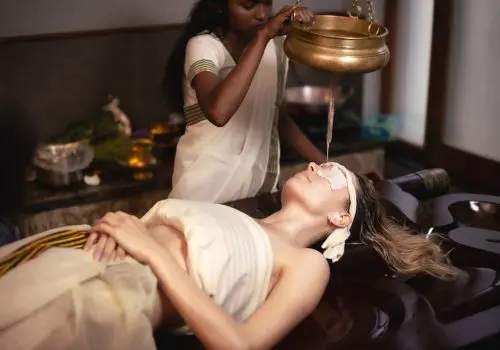
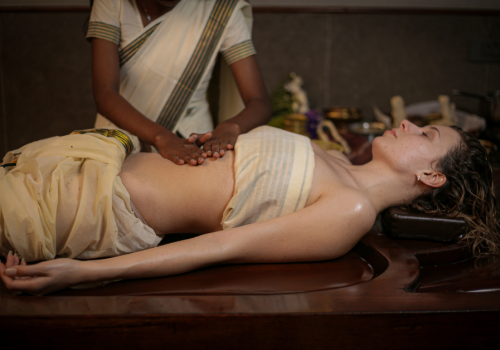
In classical Ayurveda, Pañcakarma (five therapeutic procedures) refers to a group of specialised procedures used within a broader, individualised approach to care.
Panchakarma is sometimes described in popular wellness content as a detox treatment. However, reducing it to a quick remedy for festive overeating misrepresents its traditional clinical context.
A properly supervised Panchakarma programme generally involves practitioner assessment, preparation, selected procedures and follow-up guidance. Not every individual is suitable for every procedure.
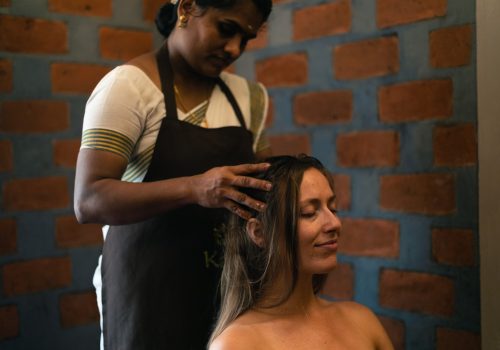
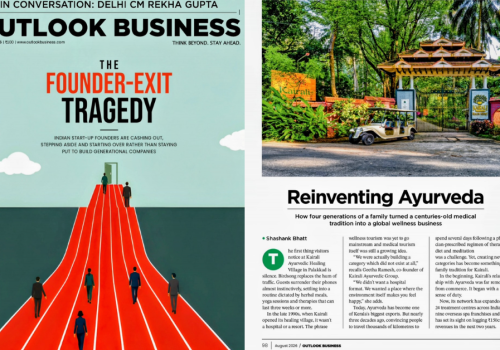
At Kairali – The Ayurvedic Healing Village in Palakkad, Kerala, Panchakarma is provided within an NABH-accredited Ayurvedic healthcare setting.
For those considering a structured Ayurvedic programme before or after the festive season, consultation with a qualified practitioner is the appropriate first step.
Panchakarma should not be undertaken as an at-home cleanse or with the expectation of proven toxin removal, rapid weight loss or guaranteed health outcomes.
Celebrate Diwali With Balance, Not Restriction
Diwali is a time for family, food, light and celebration. Maintaining your wellbeing should not mean distancing yourself from these experiences.
Ayurveda’s emphasis on daily routines, attentive eating and individual needs offers a useful perspective during a season when familiar habits can become irregular.
Enjoy the festive dishes. Spend time with the people who matter. Rest when you need to, and return to your regular routine when the celebrations end.
The most practical post-Diwali reset may be the simplest one: regular meals, adequate sleep, comfortable movement and a little more attention to how you feel.
From the WhyAyurveda editorial team, we wish you and your loved ones a peaceful, joyful and healthy Diwali.
Considering a Structured Ayurvedic Programme?
For readers interested in learning about practitioner-supervised Panchakarma, Kairali, The Ayurvedic Healing Village, offers an opportunity to explore a traditional Ayurvedic approach in a clinical setting.
A consultation can help determine whether such a programme is appropriate for your needs.





Leave a Reply