

















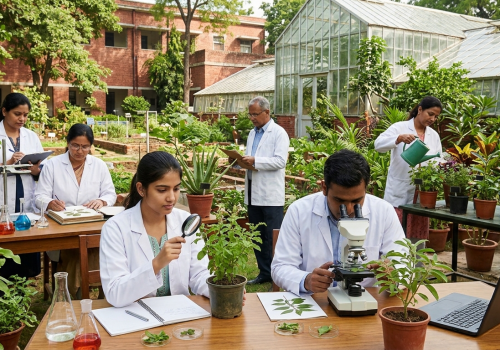

















From mindful eating and regular movement to better sleep and responsible herbal medicine practices, World Diabetes Day is an opportunity to rethink the habits that shape our health.
Every year on November 14, World Diabetes Day brings attention to a health condition affecting millions of families worldwide.
For 2026, the International Diabetes Federation has chosen the theme “Early Action on Diabetes,” emphasising early detection, timely medical care and reducing the risk of type 2 diabetes.
The numbers explain why this matters. According to the International Diabetes Federation, approximately 589 million adults worldwide live with diabetes, and more than four in ten are unaware they have the condition.
Diabetes awareness, however, should extend beyond a single day of screening or discussion. It also creates an opportunity to examine how everyday habits influence our health.
Ayurveda, the traditional Indian system of medicine, has long emphasised the importance of daily routines, thoughtful food choices, movement and adequate rest. Although these principles cannot replace medical diabetes care, they offer a useful perspective on maintaining consistent health habits.
Understanding Diabetes and the Importance of Early Action
Diabetes occurs when the body cannot produce sufficient insulin or use insulin effectively, leading to elevated blood glucose levels.
Type 1 diabetes is an autoimmune condition requiring insulin therapy. Type 2 diabetes is influenced by several factors, including genetics, age and aspects of metabolic and lifestyle health.
Some warning signs include increased thirst, frequent urination, unexplained fatigue, blurred vision and unintentional weight loss.
However, type 2 diabetes may develop without noticeable symptoms.
This is why regular health assessments, particularly for people with relevant risk factors, play an important role in early detection.
Ayurveda’s Perspective on Everyday Wellbeing
One of Ayurveda’s central principles is dinacaryā, meaning daily regimen. It describes the importance of maintaining regular patterns of eating, sleeping, exercising and personal care.
Ayurveda also discusses agni, traditionally understood as the body’s digestive and transformative function.
These concepts belong to Ayurvedic medical theory and are not equivalent to modern measurements of insulin sensitivity, blood glucose or metabolism.
Nevertheless, their emphasis on daily habits offers a relevant starting point for discussions about general wellbeing.
The following practices illustrate where traditional lifestyle principles and contemporary health guidance share practical ground.
Five Everyday Habits That Deserve More Attention
1. Eat Regular, Balanced Meals
Ayurvedic dietary traditions encourage mindful eating, regular mealtimes and consideration of individual digestive comfort.
Modern nutritional guidance similarly highlights the importance of balanced eating patterns, including vegetables, whole grains, fibre-rich foods and appropriate protein sources.
Food choices should reflect individual nutritional needs, particularly for people who are already receiving medical care for diabetes.
2. Make Physical Activity Part of Daily Life
Regular physical activity supports cardiovascular fitness and general health.
Ayurveda recognises vyāyāma, or physical exercise, as an important component of daily living.
Walking, cycling, swimming and suitable yoga practices are examples of activities that can be incorporated into a regular routine.
The most valuable form of exercise is often one that a person can maintain consistently and safely.
3. Maintain a Consistent Sleep Schedule
Sleep is essential for physical and mental wellbeing.
Ayurveda identifies nidrā, or sleep, as an important foundation of health.
A regular bedtime, sufficient sleep and a comfortable sleeping environment can support overall wellbeing.
Persistent sleep difficulties should be assessed by a qualified healthcare professional.
4. Pay Attention to Stress
Stress can affect appetite, sleep, concentration and daily behaviour.
Traditional Ayurvedic routines often include quiet periods, restorative practices and attention to mental wellbeing.
Gentle yoga, meditation and breathing exercises may help some people manage stress and improve relaxation.
These approaches should be considered supportive lifestyle practices rather than treatments for diabetes.
5. Prioritise Preventive Healthcare
Healthy habits and medical screening serve different but complementary purposes.
A balanced lifestyle cannot confirm whether someone has diabetes or replace medical monitoring.
Blood glucose and HbA1c tests are among the tools healthcare professionals use to assess glucose regulation.
Anyone experiencing possible symptoms or concerned about their risk should seek appropriate medical guidance.
The Role of Ayurvedic Formulations in Responsible Wellness Practices
Beyond food and daily routines, herbal formulations are an established part of classical Ayurvedic practice.
Ayurvedic preparations are available in different forms, including kaṣāya (herbal decoctions), cūrṇa (herbal powders), medicated oils and tablets.
Traditional Ayurvedic practice considers multiple factors when selecting a formulation, including its ingredients, preparation method, the individual’s circumstances and practitioner assessment.
However, traditional use does not automatically establish modern clinical effectiveness or safety.
This distinction is particularly important for individuals living with chronic medical conditions or taking prescribed medicines.
Herbal products may contain biologically active compounds. Their potential interactions, contraindications and suitability need to be assessed carefully.
Kairali Ayurvedic Products: Formulation Quality and Responsible Use
Kairali Ayurvedic Group, founded in 1989 by K.V. Ramesh and Gita Ramesh, draws upon four generations of Ayurvedic practice in the founders’ family.
Its pharmaceutical division, Kairali Ayurvedic Products Pvt. Ltd. (KAPPL), manufactures classical and proprietary Ayurvedic formulations in Tamil Nadu, India.
The company’s manufacturing activities encompass several traditional preparation formats, including herbal oils, powders, decoctions, tablets and capsules.
These formats reflect the diversity of Ayurvedic pharmaceutical practice. Decoctions, for example, are preparations in which selected ingredients are processed in water, while tablet forms offer a different method of preparing and presenting formulated ingredients.
Understanding these distinctions helps readers assess Ayurvedic products more carefully.
What Should Consumers Look for in Ayurvedic Products?
When considering an Ayurvedic formulation, several details deserve attention:
- Ingredient information: The botanical and other ingredients used in the preparation should be clearly identified.
- Manufacturing standards: Consumers should understand the applicable manufacturing licence and quality controls.
- Product information: Labels should provide appropriate usage warnings, storage guidance and other required details.
- Professional supervision: People taking prescription medicines should consult their healthcare professional before introducing herbal preparations.
Kairali’s manufacturing operation is part of a broader effort to make traditional Ayurvedic formulations available in recognised pharmaceutical formats.
The company holds Ayurvedic manufacturing authorisation for its licensed products. Such authorisation establishes a regulatory manufacturing framework; it does not mean that every formulation has demonstrated effectiveness for a particular medical condition.
For international consumers, product suitability and regulatory status must also be considered in the country where the product is intended to be used.
Responsible product information should make these distinctions clear rather than relying on traditional reputation alone.
Can Ayurveda Be Practised Alongside Modern Healthcare?
Ayurvedic lifestyle principles and contemporary healthcare can be discussed together, provided their roles are clearly understood.
Regular physical activity, balanced nutrition, sufficient sleep and appropriate stress-management practices can contribute to overall wellbeing.
However, diabetes requires evidence-based diagnosis, monitoring and treatment.
Current clinical evidence does not support replacing prescribed diabetes medication with Ayurvedic herbal formulations.
People living with diabetes should continue prescribed treatment and consult their treating physician before introducing any complementary products or practices.
A qualified Ayurvedic practitioner can discuss traditional approaches while respecting the individual’s existing medical care.
World Diabetes Day 2026: A Reminder to Act Early
The message of World Diabetes Day 2026 is straightforward: early action matters.
Recognising possible symptoms, understanding individual risk factors, accessing screening and following appropriate medical advice can help people make informed decisions about their health.
Ayurveda adds a useful perspective by encouraging greater attention to the routines that shape daily life.
The wider Ayurvedic tradition also reminds us why responsible formulation practices, clear product information and qualified professional guidance are essential.
For Kairali, these principles are relevant both to its approach to Ayurvedic lifestyle education and to the manufacturing responsibilities of Kairali Ayurvedic Products.
This World Diabetes Day, the most meaningful action begins with awareness, supported by practical habits, reliable information and access to appropriate healthcare.







Leave a Reply