































Ayurveda vs Naturopathy: What’s the Real Difference?
Ayurveda vs naturopathy is a question many guests ask me on their first day at Kairali – The Ayurvedic Healing Village. Both use natural methods, yet they rest on very different foundations and give very different experiences.
As an Ayurvedic physician, I work with guests who have tried naturopathy retreats, juice fasts, or “detox” camps before arriving in Palakkad. Their stories help me see where the two approaches meet, and where they clearly part ways.
What does Ayurveda actually focus on?
Ayurveda is the traditional health science of India. It sees life as a play of three functional forces called Dosha — Vata, Pitta, and Kapha. When these are in balance, we feel steady, clear, and energised. When they slip out of balance, discomfort begins.
In Ayurveda, we also look at Agni (digestive and metabolic strength) and Ama (toxic build-up from poor digestion). Every person has a unique Prakriti (constitution), which guides what food, routines, and therapies will support them best.
So the focus is not just “removing toxins”. It is bringing the whole system back into a natural rhythm.
What does naturopathy focus on?
Naturopathy grew mainly in Europe and America over the past 200 years. It centres on the body’s self-healing power. Many naturopathic centres use fasting, raw foods, hydrotherapy, mud therapy, and simple lifestyle counselling.
Here, the main idea is: if you reduce load on the system and give clean inputs, the body recovers. This can feel very light and refreshing, especially for people who have been eating heavily or living under stress.
However, it usually does not work with detailed concepts like Dosha or Agni. So personalisation is often more general.
Ayurveda vs naturopathy in daily practice
1. Assessment and personalisation
When a guest arrives at Kairali, we begin with a full Ayurvedic consultation. We check pulse, tongue, eyes, skin, digestion, sleep, emotions, and medical history. Then we understand their Prakriti and current imbalance.
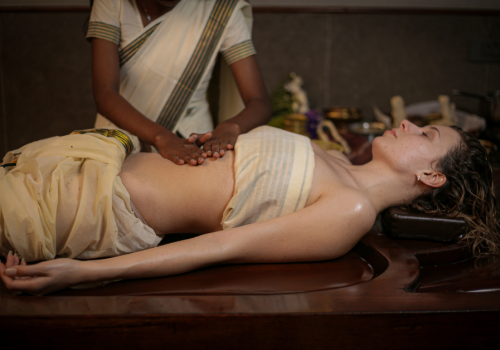
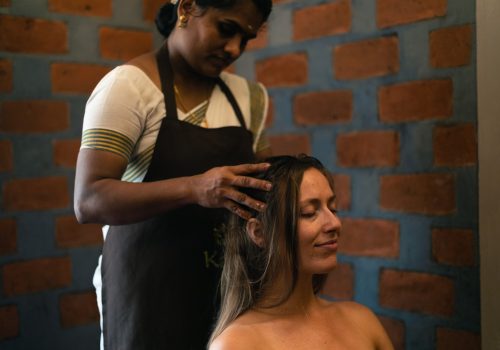
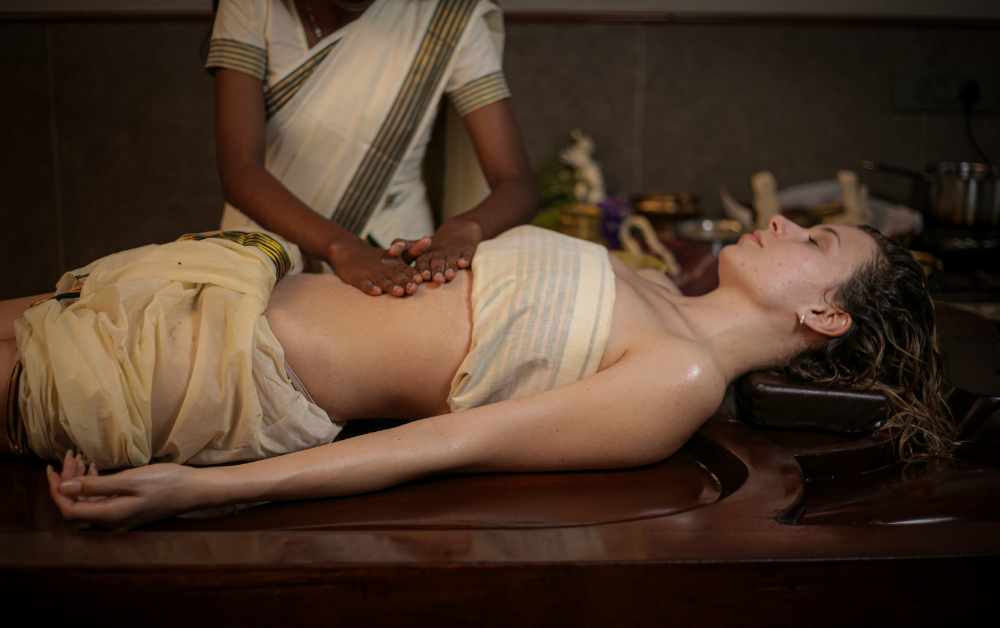
Based on this, we design a plan that may include Abhyangam (warm oil massage), herbal steam, internal medicines, yoga, and in some cases Panchakarma (a structured cleansing and rejuvenation programme). Each element is chosen according to Vata, Pitta, and Kapha status.
In naturopathy, the intake is also careful, but the tools are fewer. Many guests tell me they were placed on similar fasting or hydrotherapy schedules, with less fine-tuning to their body type.
2. Use of medicines and herbs
Ayurveda uses carefully prepared herbal formulations and medicated oils. Classical texts like the Charaka Samhita describe these in detail, and modern work continues to study them (you can see examples in AYUSH research summaries on the CCRAS website).
These preparations are meant to support digestion, sleep, joint comfort, and emotional balance. Dosage, timing, and combinations matter a lot. At Kairali, our physicians review medicines daily, especially during Panchakarma.
Naturopathy, on the other hand, usually avoids medicines altogether. It may use supplements, but often relies on water, mud, sunlight, and diet.
How each approach feels in the body
The experience is where guests feel the difference most clearly.
After a few days of well-planned Ayurvedic therapies, many people describe a sense of grounded heaviness in the limbs, softer skin, easier bowel movements, and deeper sleep. Sometimes there is mild fatigue or emotional release as the body processes stored tension. This is why we keep schedules slow and quiet at the Healing Village.
Those who have done strong naturopathic fasting often recall initial lightness and clarity, followed by weakness or irritability if the fast was too aggressive for their constitution. When such guests come to us, we usually rebuild Agni gently before planning any deeper cleansing.
If you want a more detailed sense of how a structured Ayurvedic programme unfolds, you can read this day-by-day account of a week of Panchakarma at our Healing Village.
When Ayurveda may be more suitable
Ayurveda is traditionally used to support the management of long-standing issues where multiple systems are involved. Examples include joint discomfort, digestive disturbances, menstrual irregularity, sleep problems, or stress-related symptoms.
Because we look at the root disturbance in Dosha and Agni, we can design long-term changes in diet, daily routine (Dinacharya), and seasonal care. This gives structure long after you leave the retreat.
Naturopathy is often chosen for general lifestyle reset, weight management, or a short “clean-up” after a period of excess. It can be a good entry point for people new to health practices.
However, if your concerns have been present for years, or if you are on regular medication, I usually advise a more detailed Ayurvedic assessment and a medically supervised programme.
Safety: why supervision matters
Both Ayurveda and naturopathy use natural methods. That does not mean everything is gentle for every person.
Strong enemas, heavy fasting, or powerful herbal purgation can be stressful for the body if done without proper evaluation. At Kairali, our medical team checks vital signs, energy levels, and mental state each day, especially during cleansing therapies.
We also coordinate with your existing doctors when needed. Ayurveda is meant to complement good medical care, not replace it.
If you are curious about how we keep standards consistent across centres and therapists, you may like this piece on Kairali’s training programme for therapists.
So, should you choose Ayurveda or naturopathy?
Both paths value nature, rest, and food as medicine. The key differences are:
- Ayurveda has a detailed framework (Dosha, Agni, Prakriti) and uses herbs, oils, and therapies in a highly personalised way.
- Naturopathy leans on the body’s self-healing, with simpler tools like fasting, water, and mud.
- Ayurveda often goes deeper into long-term rebalancing, while naturopathy may focus more on short-term reset.
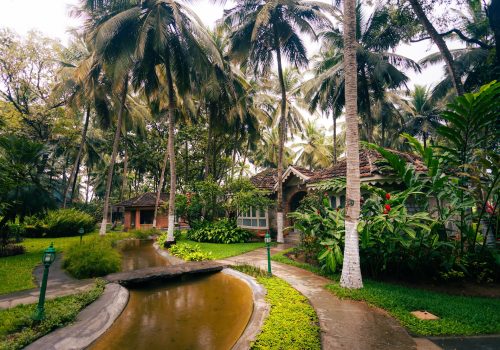
At Kairali – The Ayurvedic Healing Village, guests sometimes arrive expecting a naturopathy-style detox and are surprised by the warmth of the oils, the slowness of the days, and the attention to small details like meal spice mix or bedtime routines. That slowness is intentional; it gives your system time to respond.
If you are choosing your next retreat, start by asking: “Do I want a quick reset, or do I want to understand and support my unique constitution?” Your honest answer will tell you whether Ayurveda vs naturopathy feels right, right now.
Consult your physician before starting any new health programme, especially if you have an existing medical condition or take regular medication.







Leave a Reply