





























Confused between Ayurveda vs naturopathy? Dr. Rahul explains the real differences in approach, safety, and results from his work at Kairali.
Ayurveda vs naturopathy: what I actually see in practice
Why one size rarely fits all when you are really unwell
When guests arrive at Kairali – The Ayurvedic Healing Village, many tell me, “Doctor, I tried naturopathy. Now I want to try Ayurveda.” The phrase often hides a deeper confusion: what is the real difference between Ayurveda and naturopathy, and when does each help most?
As an Ayurvedic physician, I respect any system that encourages better food, more rest and fewer chemicals. Naturopathy does this quite well. However, when someone is struggling for years with pain, poor sleep or digestion, I see clear limits to a “general natural” approach.
Ayurveda vs naturopathy in real life
On paper, Ayurveda vs naturopathy can look like a simple chart: India vs Europe, herbs vs hydrotherapy, personalised vs generic. Real life is messier.
Ayurveda, or “knowledge of life”, works with three functional principles called Vata, Pitta and Kapha (Doshas, or governing forces in the body and mind). We study how your sleep, appetite, digestion, emotions, tongue, skin and pulse relate to these. From this we understand your Prakriti (baseline nature) and your present imbalance.
Naturopathy, in contrast, usually starts from a single idea: the body heals itself if you give it rest, simple food, water and fresh air. This is valuable. But it often stops at broad advice: eat clean, avoid late nights, do hydrotherapy, fast sometimes.
At Kairali, I often see guests who did well with naturopathy for mild issues, yet reach a plateau once problems become chronic.
“Natural” is not the same as “personalised”. Your body still needs specific guidance.
Where the two approaches feel different in your body
When we design an Ayurvedic plan, we do not begin with a fixed package. We begin with your Dosha picture and your current strength.
For example, for a guest with dryness, constipation, anxiety and disturbed sleep, we recognise a strong Vata imbalance. Long fasting or aggressive “detox” here can increase lightness and dryness. The guest may feel more anxious or tired, even if the plan looked very “healthy” on paper.
In such a case we usually:
- Favour warm, lightly oiled, grounding food
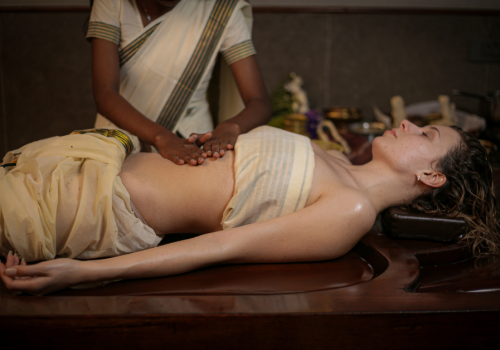
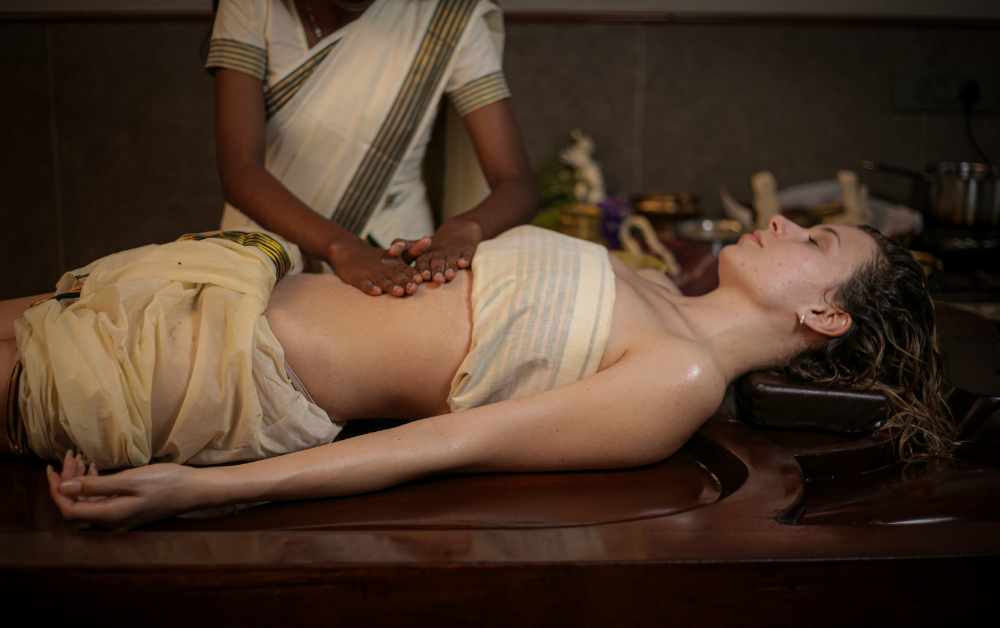
- Use daily Abhyangam (oil massage) to soothe the nervous system
- Choose gentle cleansing, only if their Agni (digestive fire) is stable
Naturopathy might offer the same mud pack or water therapy to a group, because it assumes that anything that “cleans” is good for everyone.
This is where people often tell me, “Doctor, I felt lighter for a few days, then suddenly very weak.” The method was natural, but not tailored.
Why personalisation matters more when you are already fragile
Many guests come to us as their second or third experiment. They have tried spa cleanses, juice fasts, sometimes strict naturopathy regimes, and they feel confused.
Ayurveda asks a different starting question: “What can your body handle today?” Only then do we ask, “What needs to shift?”
Classical texts like the Charaka Samhita emphasise this order. First assess strength, age, season and mind. Only then decide on intensity of therapies such as Panchakarma (structured cleansing programme). Modern research is beginning to explore this graded approach and its effects on digestion, sleep and quality of life.¹
In summer, like this June heat in Kerala, we often soften plans further. Strong heat therapies that work well in a cooler month can feel overwhelming now, especially for Pitta-dominant individuals. Naturopathy centres may continue fixed schedules regardless of season.
Medicines, or no medicines at all?
Another clear difference is how each system views “medicine”.
Naturopathy often avoids all medicines, even herbal. The focus stays on lifestyle, water, mud and food. For many, this is a good first step.
Ayurveda also values lifestyle (Dinacharya, daily routine), but it does not shy away from well-prepared herbal formulations when needed. Classical combinations are designed to support specific patterns, such as irregular digestion or disturbed sleep, always under physician supervision.
At our healing village, we keep formulations simple and explain why we choose each one. Guests often say that understanding the “why” behind a bitter decoction makes it easier to follow the plan.
If you want a broader sense of how an authentic Ayurvedic centre works, this piece gives a useful overview: What Is Ayurveda and Why Is It Important?
So, which should you choose?
When I am honest with guests, my answer is usually this:
- If you are generally well, only a little sluggish, and want a reset, naturopathy-style food, rest and hydrotherapy can help you feel fresher.
- If you have ongoing issues around digestion, joints, skin, sleep or hormones, Ayurveda vs naturopathy is no longer a small choice. This is when a personalised, Dosha-based plan usually supports you better.
Both systems ask you to participate in your healing. The key difference is depth of assessment and how finely your plan is tuned.
When you are ready for that deeper level of personalisation, we at Kairali are here to listen first, then design with care.







Leave a Reply