































From work-related stress and irregular sleep to neglected self-care, men’s health deserves greater attention. At Kairali – The Ayurvedic Healing Village in Kerala, physician-led Ayurveda offers a structured approach to everyday well-being.
Men are often encouraged to remain strong, productive and dependable. Yet, in meeting professional and family responsibilities, many overlook their own physical and emotional well-being.
Long working hours, irregular meals, insufficient sleep and limited physical activity can gradually become routine. Stress may be dismissed as part of professional life, while preventive health check-ups are postponed until symptoms become difficult to ignore.
International Men’s Day, observed on November 19, is an opportunity to change that conversation.
A recent Free Press Journal feature highlighted the importance of men’s preventive health, drawing attention to lifestyle habits, stress management and Ayurvedic wellness practices.
These concerns also raise a broader question: What would men’s health look like if greater attention were given to daily routines and preventive care, rather than waiting for health problems to develop?
This is where Ayurveda’s emphasis on individual assessment and lifestyle regulation becomes relevant.
Why Everyday Habits Matter for Men’s Health
Men’s health involves much more than physical strength or fitness.
Quality sleep, emotional well-being, digestion, nutrition, movement and regular medical screening all contribute to maintaining health.
However, demanding schedules can make consistent habits difficult to maintain.
Someone working long hours may skip breakfast, spend most of the day sitting, eat late in the evening and struggle to switch off at bedtime. Over time, such patterns can affect energy, concentration and general well-being.
While these habits do not explain every health condition, they are important areas for preventive care.
Ayurveda offers a framework for examining how daily routines interact with an individual’s needs, rather than approaching wellness through isolated practices.
How Ayurveda Approaches Men’s General Well-Being
Ayurveda traditionally considers health through several interconnected factors, including food, rest, activity, digestion and individual constitution.
One foundational concept is dinacaryā (daily regimen), which emphasises regularity in sleeping, eating, personal care and physical activity.
Another is prakṛti (individual constitution), a traditional framework used by Ayurvedic practitioners to understand differences between individuals.
In clinical practice, these concepts help guide personalised lifestyle recommendations. They are Ayurvedic assessment frameworks, however, and should not be mistaken for validated biomedical diagnostic tests.
The practical emphasis is on understanding a person’s existing habits and identifying changes appropriate to their circumstances.
For men managing demanding schedules, this might mean paying closer attention to sleep timing, meal consistency, physical movement and opportunities for rest.
Inside Kairali, The Ayurvedic Healing Village
Kairali – The Ayurvedic Healing Village, located in Kodumbu, Palakkad, Kerala, is an NABH-accredited Ayurvedic hospital with a physician-led approach to classical Ayurvedic care.
The Healing Village places individual assessment at the centre of its methodology.
Rather than treating every visitor’s wellness needs as identical, Ayurvedic physicians consider factors such as constitution, lifestyle, dietary patterns and general health when determining what practices may be appropriate.
This distinction matters because men’s wellness is not a single clinical category.
An individual concerned about irregular sleep may have different needs from someone seeking to improve daily routine, physical flexibility or general relaxation.
At Kairali, the broader approach brings together physician supervision, Ayurvedic therapies, dietary guidance and lifestyle considerations within a structured residential environment.
The objective is to provide individualised Ayurvedic care, with appropriate attention to safety and the limitations of each intervention.
Understanding the Role of Ayurvedic Therapies
Traditional Ayurvedic care includes several procedures used within broader, practitioner-directed regimens.
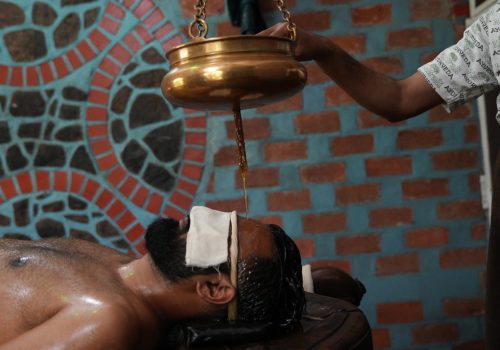
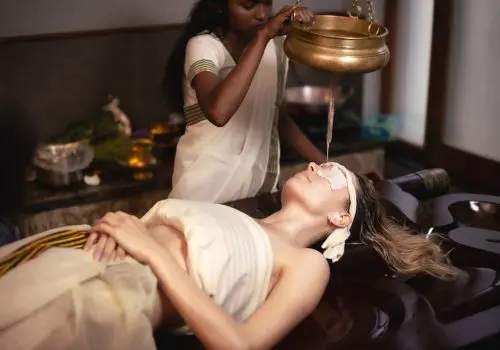
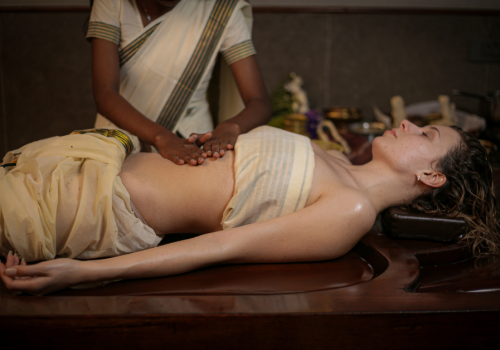
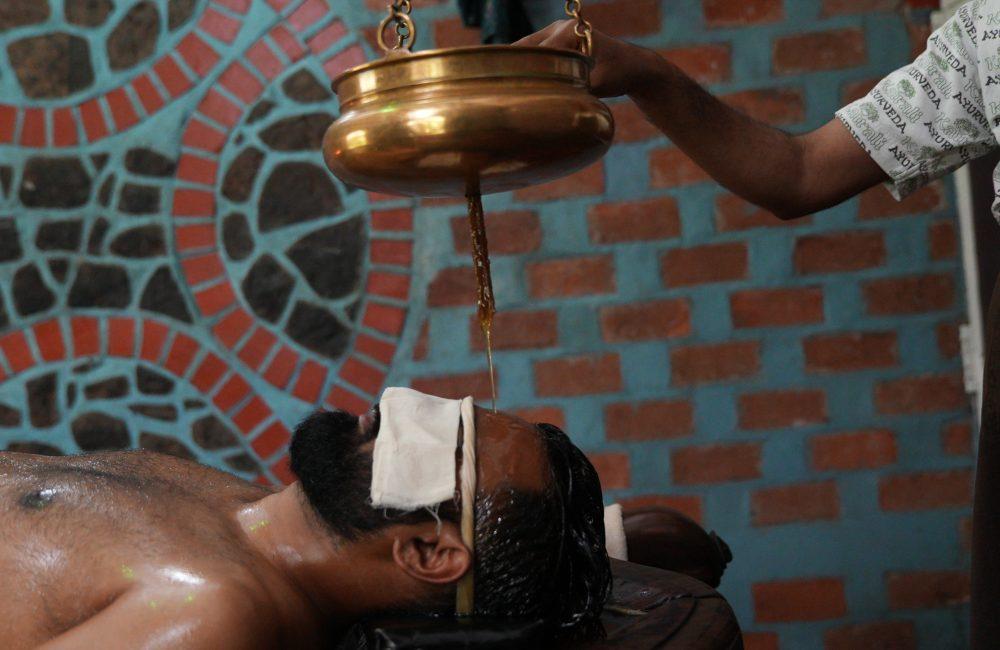
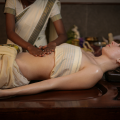
For example, abhyanga is a traditional oil-massage practice. It is commonly associated with relaxation and bodily comfort.
Panchakarma is a broader category of classical Ayurvedic procedures that requires individual assessment, careful selection and professional supervision.
These practices are not interchangeable, and not every therapy is appropriate for every person.
At a physician-led facility such as Kairali, determining suitability is an important part of the process.
Although Ayurvedic therapies have a long history of traditional use, modern clinical evidence for many specific outcomes remains limited. They should not be presented as substitutes for established medical care or as guaranteed solutions to health concerns.
Why Stress and Sleep Deserve Particular Attention
Stress and insufficient sleep are important concerns for men balancing work and personal responsibilities.
Persistent stress can affect concentration, emotional well-being and sleeping patterns. Poor sleep, in turn, can make it harder to maintain regular exercise, nutritious meals and a consistent daily routine.
Ayurvedic lifestyle principles place considerable importance on rest and regularity.
At Kairali, the physician-led approach provides a setting in which sleep habits, daily schedules, relaxation and other lifestyle factors can be considered together.
Practices such as yoga, breathing exercises and meditation may form part of a wider approach to general well-being where appropriate.
Research suggests that some mind-body practices may support stress reduction and sleep quality, although benefits vary and evidence for specific Ayurvedic treatment combinations is still developing.
Persistent insomnia, anxiety or emotional distress requires assessment by an appropriate healthcare professional.
Food and Routine: An Important Part of Ayurvedic Living
Nutrition is another central component of Ayurvedic practice.
Ayurvedic dietary guidance traditionally considers meal timing, food preparation, digestion and individual requirements.
This approach encourages greater awareness of eating habits rather than relying on occasional dietary changes.
For men with irregular working schedules, maintaining regular meals, consuming a varied diet and allowing adequate time for eating can be practical starting points.
At Kairali, dietary considerations form part of the broader physician-led Ayurvedic approach.
However, nutritional needs vary according to age, activity level and medical history. Ayurvedic dietary recommendations should complement established nutritional guidance and any medically prescribed dietary requirements.
Preventive Wellness Still Requires Medical Care
One important distinction must be maintained: preventive wellness is not a replacement for medical screening.
Men should continue to attend appropriate health assessments based on age, personal risk factors and family history.
Regular discussions with healthcare professionals about cardiovascular risk, metabolic health, mental well-being and other concerns remain essential.
Ayurvedic lifestyle practices may complement these efforts by encouraging consistency in daily habits. But they should not delay diagnosis or necessary medical treatment.
Similarly, herbal preparations require proper professional evaluation because safety, quality and potential interactions with medication can vary.
Rethinking Men’s Health Beyond International Men’s Day
International Men’s Day is an occasion to recognise that taking care of one’s health deserves the same priority as work, family and other responsibilities.
It also offers an opportunity to reconsider how wellness is approached.
A few days of rest cannot compensate for years of neglected health habits. Sustainable changes require consistency, suitable guidance and realistic expectations.
Kairali – The Ayurvedic Healing Village, illustrates how physician-led Ayurveda can bring individual assessment, dietary considerations, supervised traditional therapies and lifestyle guidance into a coordinated setting.
Its relevance to men’s wellness lies in this structured approach, rather than in promises of particular medical outcomes.
Ultimately, men’s health should not be measured only by the ability to keep working through exhaustion. It should also be reflected in adequate rest, attention to physical and mental health, and the willingness to seek care when necessary.
Website: www.ktahv.com
Call: +91-9555156156







Leave a Reply