






















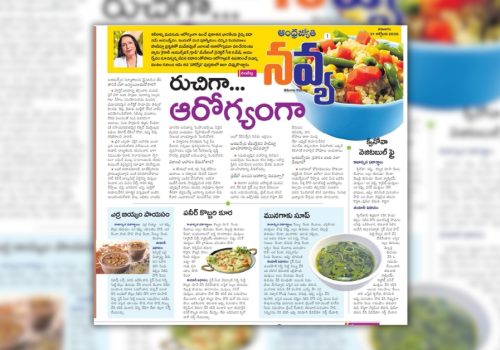






The co-founder of Kairali Ayurvedic Group shares her approach to nutritious, flavourful cooking in an Andhra Jyothy feature, showing how familiar ingredients can become part of a more thoughtful daily diet.
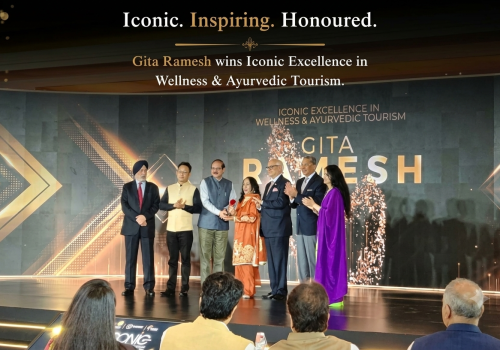
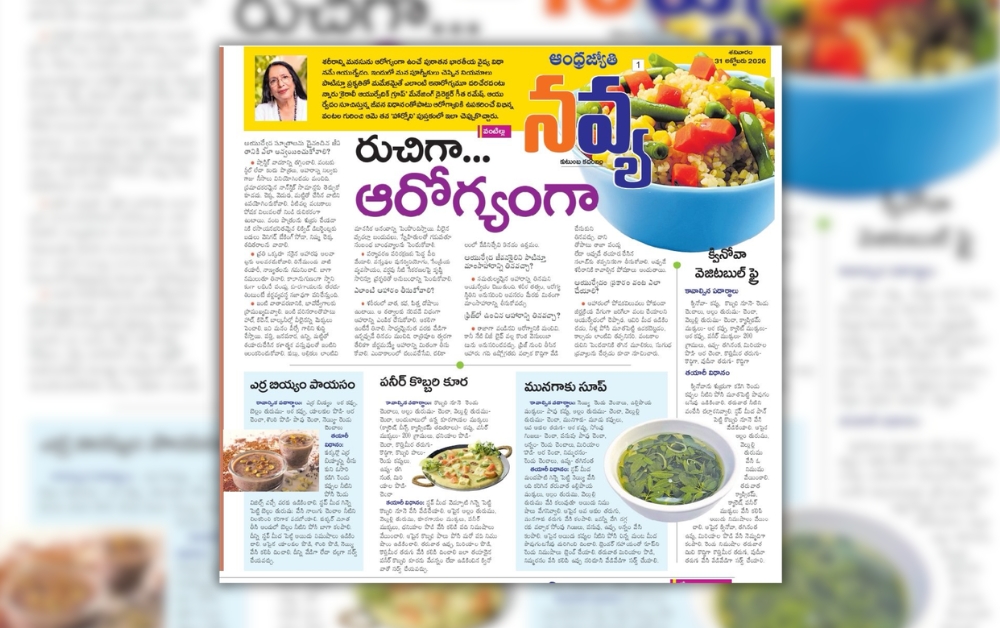
Gita Ramesh, Co-founder and Joint Managing Director of Kairali Ayurvedic Group, was featured in the Telugu newspaper Andhra Jyothy on 31 October 2026. The feature, titled “రుచిగా… ఆరోగ్యంగా” (Tasty and Healthy), highlights her approach to preparing food that brings together taste, nutrition and traditional dietary knowledge.
The article introduces readers to a selection of dishes, including red rice payasam, paneer kofta curry, moringa leaf soup and quinoa vegetable fry.
Together, these recipes reflect an idea central to Ayurvedic food philosophy: eating well begins with everyday choices in the kitchen.
For Gita Ramesh, who has spent years exploring Ayurvedic cuisine and food traditions, cooking offers a practical way to make those principles part of daily life.
Why Food Matters in Ayurveda
In Ayurveda, food is considered an important part of maintaining health and wellbeing.
The traditional concept of āhāra (diet and nourishment) extends beyond the nutritional value of individual ingredients. It also considers how food is prepared, when it is eaten and how it suits the individual.
Another important concept is agni, traditionally understood as the body’s digestive capacity.
Ayurvedic dietary practices place emphasis on regular meals, appropriate portions, suitable ingredients and mindful preparation.
These ideas are not a replacement for modern nutritional science. Rather, they offer a traditional framework for thinking about eating habits and the relationship between food and daily routines.
The approach presented in Gita Ramesh’s newspaper feature makes these principles accessible through familiar recipes.
Four Dishes That Bring Variety to Everyday Meals
The Andhra Jyothy feature presents four preparations that demonstrate different ways of combining ingredients, textures and flavours.
Red Rice Payasam: A Familiar Dessert with a Different Grain
Red rice payasam brings a variation to a traditional Indian dessert.
Red rice provides carbohydrates and, depending on the variety and processing, may retain more fibre and certain micronutrients than highly polished white rice.
Using a different grain can introduce variety into familiar recipes without changing the experience of enjoying a traditional dessert.
As with any sweet preparation, the overall nutritional profile depends on the ingredients, quantities and portion size.
Paneer Kofta Curry: Making a Familiar Dish More Thoughtful
Paneer kofta curry is another dish featured in the newspaper.
Paneer contributes protein and calcium, while the other ingredients and cooking method determine the finished dish’s overall nutritional composition.
A thoughtfully prepared curry can form part of a varied vegetarian meal when served with suitable accompaniments.
The broader lesson is that familiar dishes do not necessarily need to be abandoned to develop healthier eating habits. Ingredient choices, preparation methods and portion sizes all matter.
Moringa Leaf Soup: Bringing Leafy Greens to the Table
Moringa leaves, commonly known as drumstick leaves or munagaku in Telugu, are used in many regional Indian cuisines.
They contain fibre, vitamins, minerals and plant compounds, although their nutrient composition varies with growing conditions and cooking methods.
Preparing moringa leaves as soup is one way to include leafy vegetables in the diet.
Ayurvedic food traditions have long incorporated regional greens and vegetables into everyday cooking.
However, consuming moringa soup should not be understood as a treatment for any medical condition.
Quinoa Vegetable Fry: Combining Grains and Vegetables
Quinoa vegetable fry offers another example of building variety into a meal.
Quinoa supplies carbohydrates, fibre and protein, while vegetables contribute additional nutrients and different textures.
The combination creates a flexible preparation that can accommodate seasonal vegetables and individual preferences.
Although quinoa is not a traditional Indian grain, its inclusion illustrates how contemporary ingredients can be incorporated into cooking informed by Ayurvedic dietary principles.
The emphasis remains on preparation, suitability and dietary variety rather than treating any single ingredient as a solution to better health.
Gita Ramesh’s Approach to Ayurvedic Cooking
As Co-founder of Kairali Ayurvedic Group, Gita Ramesh has played an important role in its approach to Ayurvedic food and hospitality.
An Ayurvedic chef and scholar, she has contributed to making traditional dietary practices more accessible through everyday cooking.
Her work also reflects the importance of food within Kairali’s wider approach to Ayurveda.
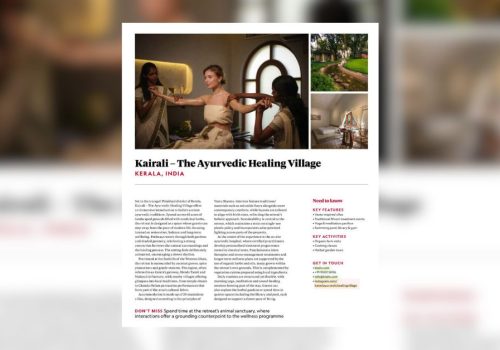
At Kairali – The Ayurvedic Healing Village in Palakkad, Kerala, vegetarian food forms part of the residential Ayurvedic experience, alongside physician consultations, supervised therapies and structured daily routines.
Dietary recommendations are considered in relation to individual needs and the programme being followed.
This reflects a principle frequently emphasised in Ayurveda: dietary choices should account for the person, not simply the perceived benefits of a particular ingredient.
Can Ayurvedic Cooking Be Part of Modern Life?
One of the most useful aspects of the Andhra Jyothy feature is its focus on dishes people can recognise and prepare at home.
Following an Ayurveda-informed approach to food does not necessarily require unfamiliar ingredients or elaborate meals.
It may begin with practical habits such as:
- Including a greater variety of vegetables and grains.
- Preparing meals with attention to ingredients and cooking methods.
- Maintaining regular eating routines where practical.
- Adjusting food choices to individual nutritional needs.
- Paying attention to portion sizes and overall dietary balance.
These habits can complement evidence-based nutritional guidance.
Importantly, traditional Ayurvedic descriptions of food should not be confused with scientifically established therapeutic benefits. Individual dietary needs vary, particularly for people with allergies, medical conditions or prescribed dietary restrictions.
Keeping Traditional Food Knowledge Relevant
The Andhra Jyothy feature demonstrates how traditional culinary knowledge can remain useful when presented through practical recipes.
Red rice payasam, paneer kofta curry, moringa leaf soup and quinoa vegetable fry are different preparations, yet each encourages readers to think about ingredients and how meals are prepared.
For Gita Ramesh, the connection between Ayurveda and cooking is reflected in this everyday attention to food.
The central message is straightforward: nutritious eating and enjoyable meals can coexist.
By bringing these ideas into a mainstream newspaper, the feature introduces a wider audience to the role food plays in Ayurvedic traditions, without requiring them to adopt an entirely new way of eating.
Explore Ayurveda and Food at Kairali
Food is an integral part of the residential Ayurvedic experience at Kairali – The Ayurvedic Healing Village in Palakkad, Kerala.
Explore how vegetarian cuisine, physician-led dietary guidance and structured daily routines are incorporated into its Ayurvedic programmes.
Learn More About Kairali – The Ayurvedic Healing Village
Source: Andhra Jyothy, 31 October 2026, “రుచిగా… ఆరోగ్యంగా” (Tasty and Healthy), featuring Gita Ramesh.






Leave a Reply