























Ayurveda is one of the world’s oldest continuously practised systems of health and medicine. Originating in India more than 2,000 years ago, Ayurveda focuses on maintaining balance between the body, mind, environment, diet, sleep, movement, and daily routine. The word itself comes from the Sanskrit terms āyus (life) and veda (knowledge), often translated as “the knowledge of life.”
Today, Ayurveda remains important not only because of its historical roots, but because many people are searching for more preventive, lifestyle-oriented approaches to health alongside modern medicine. From stress and sleep disruption to burnout, digestive discomfort, and long-term wellbeing, Ayurveda approaches health as a whole-system practice rather than focusing only on isolated symptoms.
For international travellers seeking the best ayurveda treatment in india, the appeal of Ayurveda often lies in this broader philosophy: physician-led care, personalised routines, therapeutic nutrition, structured therapies, and long-term lifestyle support rather than quick fixes.
What Does Ayurveda Focus On?
Ayurveda traditionally describes health as a state of balance between three governing principles known as doṣas:
- Vata — associated with movement, the nervous system, and circulation
- Pitta — associated with metabolism, digestion, and transformation
- Kapha — associated with structure, stability, and lubrication
Rather than treating every individual the same way, Ayurvedic practitioners assess constitution (prakriti), lifestyle patterns, digestion, sleep, stress, seasonal influences, and overall health history before recommending supportive approaches.
These recommendations may include:
- Dietary adjustments
- Sleep and daily-routine changes
- Herbal preparations
- Yoga and breathing practices
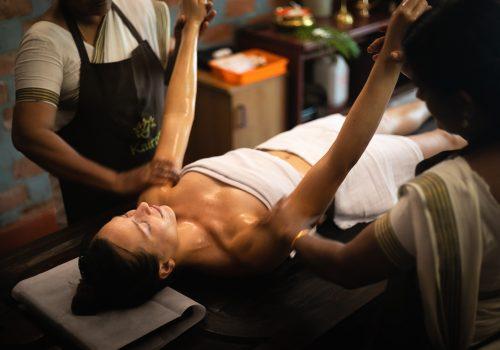
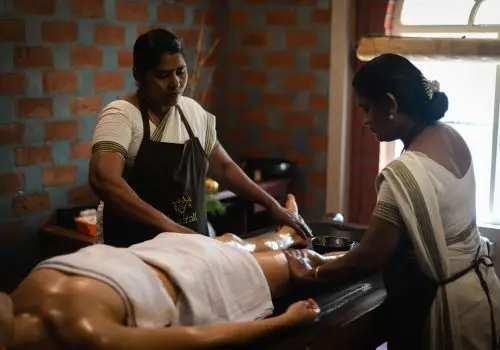
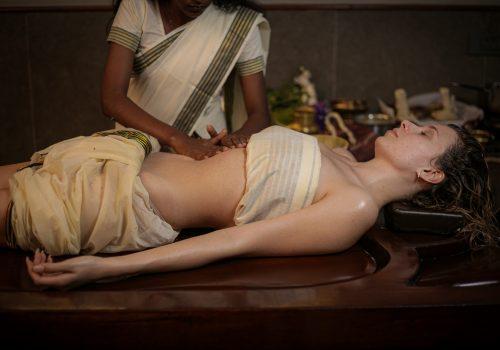
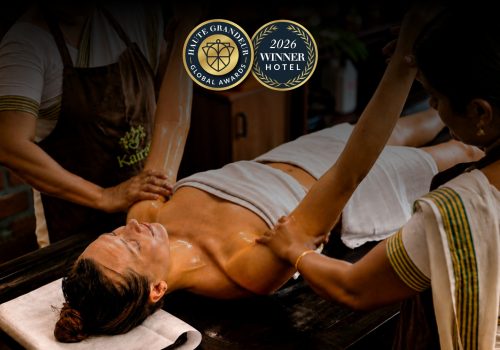
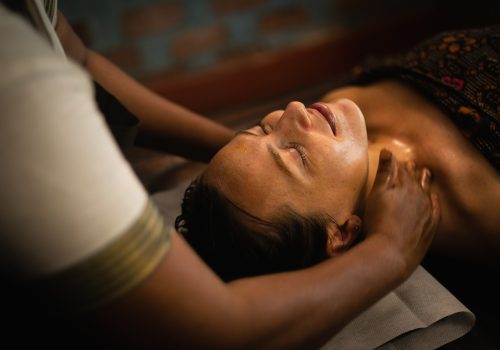
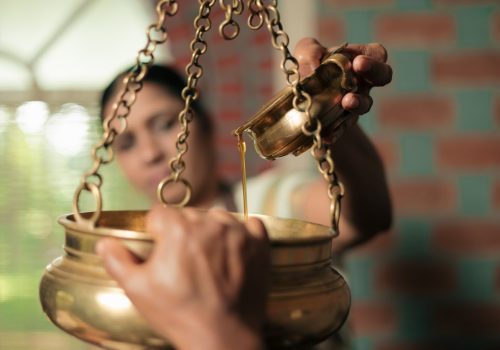
- Oil-based therapies such as Abhyanga
- Structured Panchakarma programmes under supervision
- Stress-management and restorative practices
Importantly, qualified Ayurvedic care is highly individualised. What may suit one person may not suit another, which is why reputable centres emphasise physician assessment and supervised care rather than generic wellness trends.
Why Ayurveda Matters Today
The modern wellness industry is crowded with fast-moving trends, short-term resets, and heavily marketed “biohacks.” Ayurveda’s relevance today comes from a different direction: consistency, prevention, and lifestyle discipline.
Many people are increasingly interested in:
- Better sleep quality
- Stress resilience
- Sustainable daily routines
- Preventive health practices
- Integrative approaches alongside conventional medicine
- Slower, restorative forms of travel and recovery
This shift has contributed to the global rise of the Holistic wellness retreat category, particularly in Kerala, India, where Ayurveda remains deeply connected to clinical practice, traditional pharmacy preparation, therapeutic nutrition, and physician-led Panchakarma.
Why Kerala Is Closely Associated with Ayurveda
Kerala is widely regarded as one of the most established destinations for traditional Ayurvedic practice. Several factors contribute to this reputation:
- A long-standing Ayurvedic clinical tradition
- Availability of medicinal herbs and oils
- Humid tropical climate traditionally considered supportive for therapies
- Presence of BAMS-qualified Ayurvedic physicians
- NABH-accredited Ayurvedic hospitals and Panchakarma centres
- Strong integration between therapeutic practice, food, and lifestyle
For travellers researching Ayurvedic wellness Kerala experiences, it is important to distinguish between medically supervised Ayurvedic centres and spa-style wellness offerings. Reputable Ayurvedic institutions generally prioritise physician consultation, personalised treatment planning, safety screening, and structured therapeutic programmes.
Ayurveda and Modern Research
Modern scientific research into Ayurveda is growing, though the quality and consistency of evidence varies depending on the therapy, herb, or intervention being studied.
Some areas that have received increasing research attention include:
- Stress and anxiety support
- Sleep quality
- Yoga and breathwork practices
- Mind-body interventions
- Massage and autonomic relaxation responses
- Certain herbal ingredients such as Ashwagandha and Turmeric
At the same time, responsible Ayurvedic communication requires acknowledging limitations. Not every traditional claim has strong modern evidence, and Ayurveda should not be presented as a replacement for emergency care or evidence-based medical treatment.
Trustworthy Ayurvedic care is evidence-aware, transparent about limitations, and integrated with appropriate medical oversight when needed.
What to Look for in an Ayurvedic Centre
If you are considering the best ayurveda treatment in india, credibility matters far more than marketing language. Look for:
- Qualified BAMS physicians
- NABH-accredited facilities
- Transparent practitioner credentials
- Clear explanations of therapies
- Realistic outcome expectations
- Proper consultation and medical screening
- Hygienic preparation standards
- WHO-GMP-certified manufacturing where products are involved
Avoid centres that make exaggerated promises such as “guaranteed cures,” “instant detox,” or disease-reversal claims.
The Continuing Relevance of Ayurveda
Ayurveda has remained relevant across centuries because it addresses an area modern life often neglects: how daily habits shape long-term wellbeing.
Its emphasis on rhythm, recovery, nourishment, digestion, sleep, and preventive care continues to resonate with people seeking more sustainable approaches to health and wellness. Whether experienced through a physician-led Panchakarma programme, an educational consultation, or a carefully structured Holistic wellness retreat, Ayurveda today is increasingly understood not as a trend, but as a long-standing health tradition adapting carefully to the modern world.
Want to learn more about Ayurveda and how it is practised today? Connect with our team to explore physician-led Ayurvedic wellness programmes in Kerala.
Website: www.ktahv.com
Call: +91-9555156156
About the Author
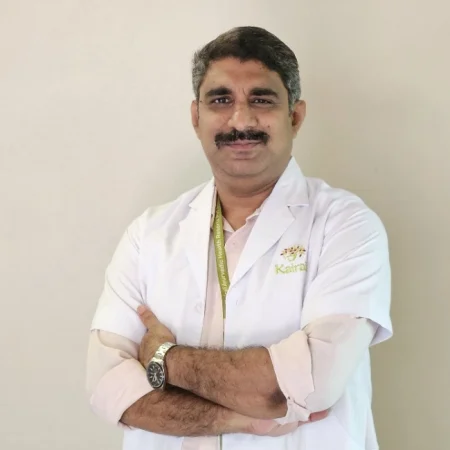
Dr. Deepu John is a highly respected Ayurvedic physician serving as the Chief Physician and Head of Department at Kairali – The Ayurvedic Healing Village. With over 12 years of dedicated clinical experience, Dr. Deepu is known for his profound diagnostic acumen, deep-rooted knowledge of Ayurvedic principles, and a compassionate, personalized approach to healing.
Dr. Deepu believes that true healing comes from understanding the root cause of illness and restoring internal balance—not just treating symptoms. His patient consultations are comprehensive, combining classical Ayurvedic diagnostics (Nadi Pariksha, Darshana, Prashna) with modern wellness insights. He emphasizes preventive care, dietary wisdom, and mind-body harmony as cornerstones of lifelong wellness.