














There is a particular kind of wellness imagery that has become instantly recognisable over the last decade: white robes, minimalist interiors, green juices, and carefully staged stillness. Ayurveda, especially outside India, is often filtered through the same aesthetic language — softened into something atmospheric, vague, and interchangeable with luxury wellness culture more broadly.
Which is why older-style Ayurvedic institutions can feel surprisingly different in person.
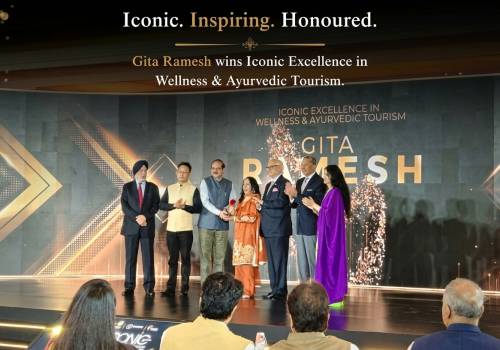
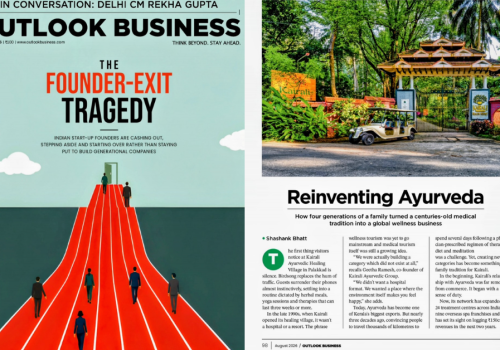
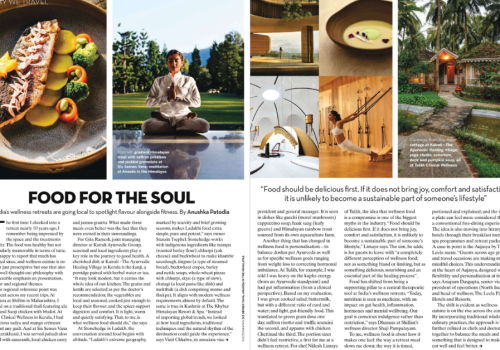
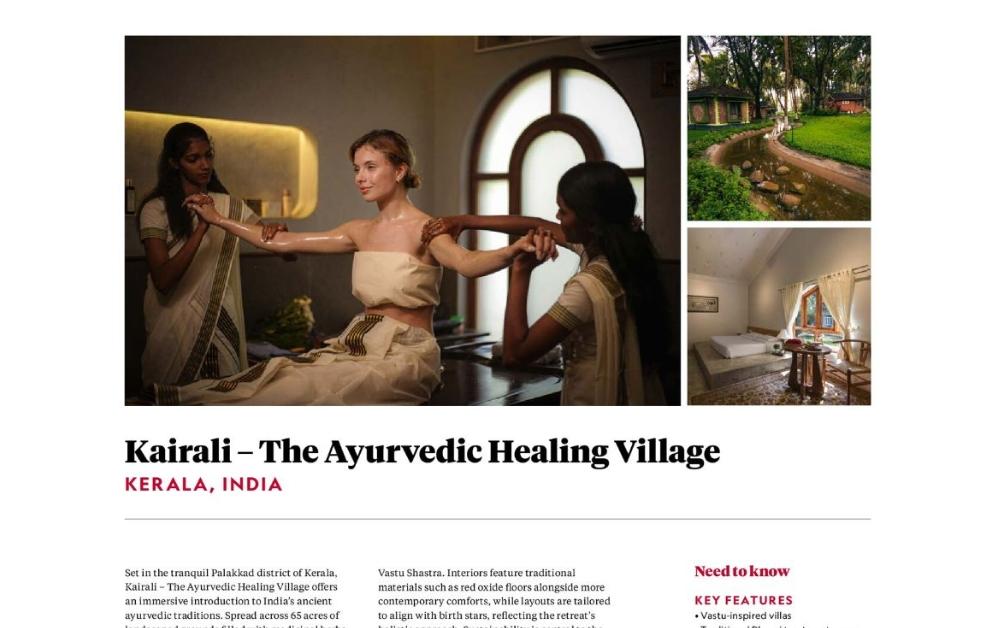
A recent National Geographic Traveller feature on Kairali – The Ayurvedic Healing Village in Kerala captured something many contemporary wellness profiles miss: Ayurveda, in its traditional clinical setting, is less about performance and more about rhythm. Less about aspiration and more about structure.
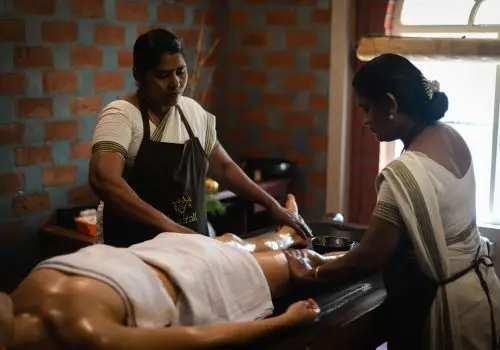
At Kairali’s Palakkad property, the day is organised around physician consultations, therapies, prescribed meals, rest, and repetition. The setting is visually calm, certainly, but the underlying logic is medical rather than theatrical. Guests are not simply checking into a spa; many arrive for supervised Panchakarma programmes that follow routines shaped by Ayurvedic assessment, practitioner oversight, and the slower pace required for long-duration treatments.
That distinction matters because “Ayurveda retreat” has become an increasingly elastic category. In some settings it refers to a few herbal oils added to a luxury spa menu. In others, it involves weeks of physician-led therapies conducted within a hospital-accredited environment. Both may use the same vocabulary online, even though the experiences — and expectations — are entirely different.
Kairali belongs more clearly to the second category.
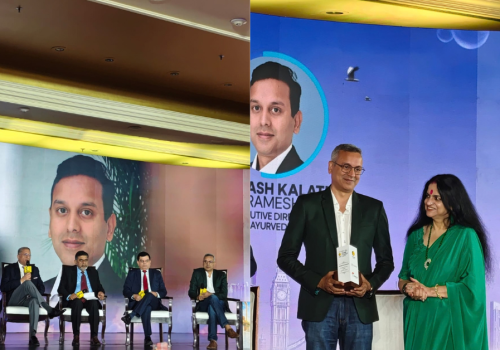
Founded in 1989 by K.V. Ramesh and Gita Ramesh, the group draws on a multi-generational family background in Ayurvedic practice, but its modern identity is rooted equally in institutional structure: NABH accreditation, BAMS-qualified physicians, scheduled treatment protocols, and long-stay wellness programmes designed around consistency rather than spectacle.
The National Geographic Traveller feature also quietly reflected another reality about Ayurveda in 2026: credibility increasingly depends on restraint.
International wellness audiences have become more sceptical of exaggerated health claims, particularly in categories associated with “detox”, miracle outcomes, or loosely regulated alternative medicine marketing. Readers now cross-reference wellness claims against clinical evidence, practitioner credentials, and regulatory standards in ways they rarely did fifteen years ago.
That shift has changed the tone of serious Ayurveda communication.
The most credible Ayurvedic institutions today tend to speak more carefully than the broader wellness industry around them. They describe what happens during a programme. They explain practitioner supervision. They discuss sourcing, manufacturing standards, and contraindications. They avoid promising universal outcomes because Ayurveda, traditionally practised, was never designed as a one-size-fits-all intervention.
This is particularly relevant in the context of Panchakarma, perhaps the most misunderstood term in wellness tourism.
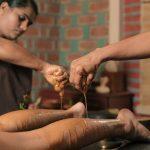
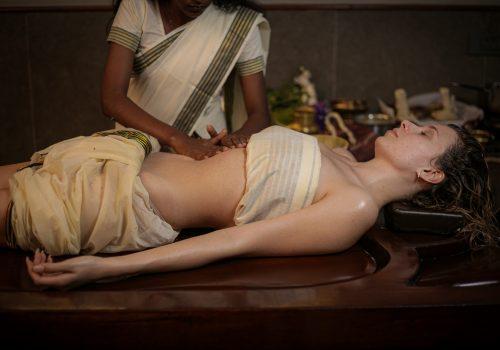
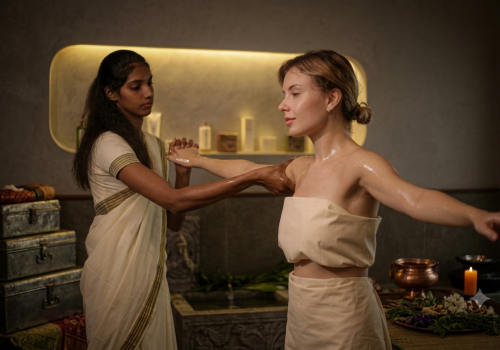
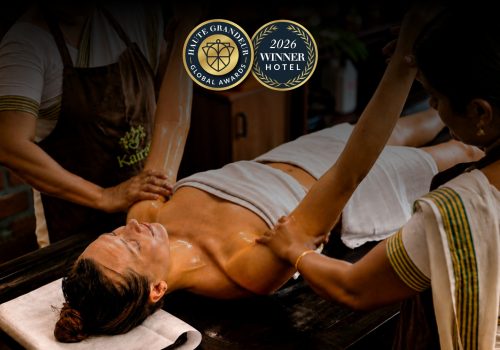
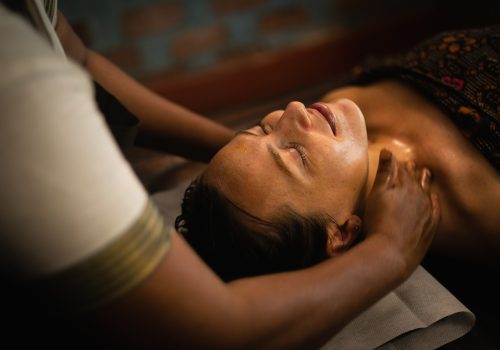
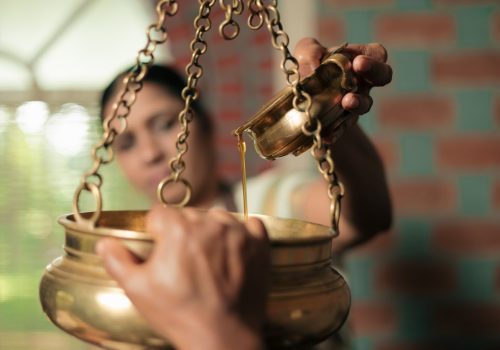
Outside India, Panchakarma is often reduced to shorthand for “detox”. But classical Panchakarma is not simply a cleansing holiday or a spa reset. It refers to a group of supervised Ayurvedic procedures historically used within broader therapeutic frameworks. At centres like Kairali, therapies may include Abhyangam, Shirodhara, steam treatments, dietary regulation, and physician monitoring over an extended stay. The emphasis is cumulative and process-oriented rather than instantly transformative.
The atmosphere surrounding that process is quieter than many first-time guests expect.
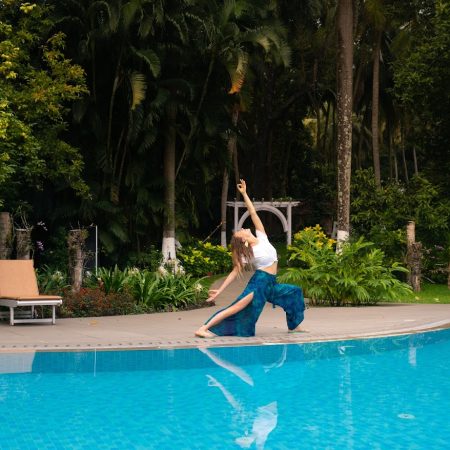
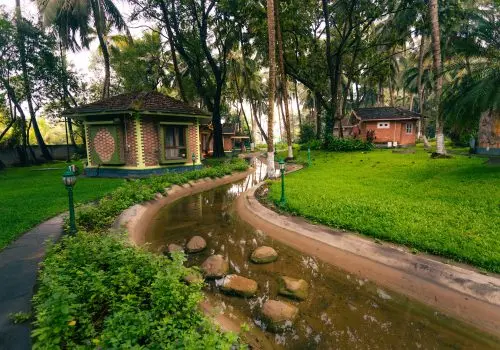
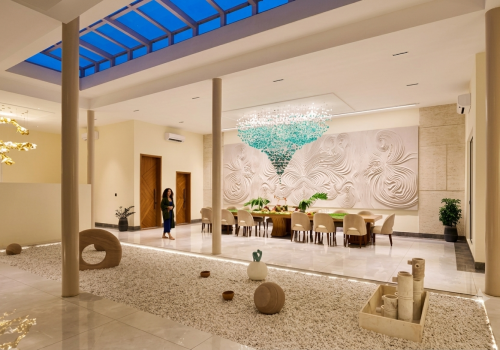
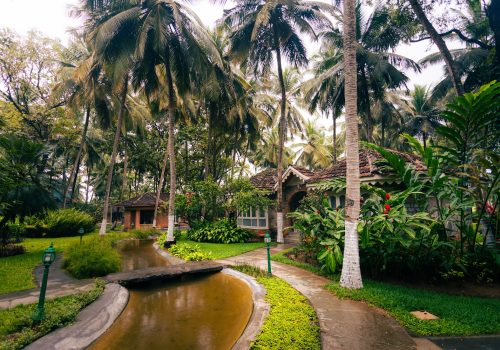
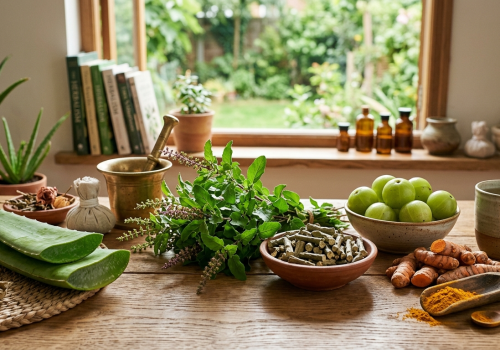
There are herbal gardens, yoga sessions, and Kerala-style villas, yes. But there is also routine: early mornings, repeated therapies, restricted diets, consultations, and rest. The experience often feels closer to structured recuperation than to luxury hospitality in the conventional sense.
And perhaps that is why certain older Ayurvedic institutions continue to resonate even as wellness trends change around them. They were not originally built for the Instagram era. Their pace predates the performance of wellness.
The National Geographic Traveller feature worked because it observed this without overstating it. It did not frame Ayurveda as mystical revelation or biohacking breakthrough. It simply documented a place where traditional Ayurvedic practice, hospitality, and contemporary wellness tourism now intersect — sometimes comfortably, sometimes imperfectly, but increasingly relevant to travellers looking for something slower than modern wellness culture usually allows.
That may ultimately be Ayurveda’s strongest argument in the current moment: not that it promises extraordinary transformation, but that it still takes time seriously.
Website: www.ktahv.com
Call: +91-9555156156
Kairali operates as an NABH-accredited Ayurvedic hospital and retreat rather than a conventional spa resort. The experience is structured around physician consultations, supervised therapies, prescribed diets, and long-stay wellness programmes rather than leisure-focused wellness tourism alone.
Not exactly. While Panchakarma is often marketed internationally as detoxification, classical Panchakarma refers to a group of supervised Ayurvedic cleansing and restorative procedures traditionally conducted under practitioner guidance. At centres like Kairali, programmes are individualised rather than standardised spa packages.
No. Many international guests arrive with little or no previous exposure to Ayurveda. Programmes generally begin with consultations where practitioners explain the therapies, dietary routines, and daily structure before treatment begins.
The duration varies depending on the programme and guest goals. Some visitors stay for shorter restorative breaks, while more intensive Panchakarma-based programmes are often designed for longer stays to allow therapies, dietary changes, and routines to develop gradually over time.
Responsible Ayurvedic centres generally position Ayurveda as complementary rather than a replacement for necessary medical care. Guests with ongoing medical conditions or prescription medications are usually advised to consult both their physician and the retreat’s medical team before beginning treatment.