
















A forthcoming conference in Karnataka is bringing Ayurvedic physicians, immunologists and biomedical researchers together to discuss one of healthcare’s more difficult questions: can traditional and modern medical systems collaborate meaningfully in the care of people with autoimmune disorders?
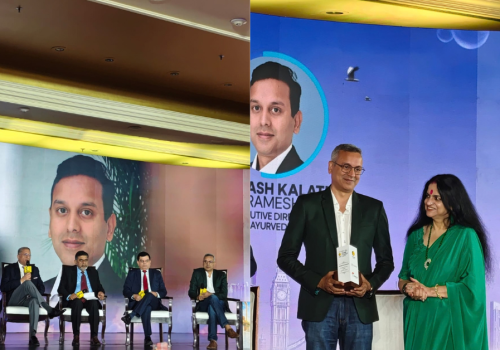
The sixth International Conference on Translational Ayurveda in Autoimmune Disorders, Kshamatvam 2026, is scheduled to take place at the Sri Dharmasthala Manjunatheshwara College of Ayurveda, Hospital and Research Centre in Udupi from September 30 to October 1, 2026. According to a report in The Shillong Times, the programme will examine research methods, clinical evidence and possible points of collaboration between Ayurveda, immunology and integrative medicine.
The subject deserves serious attention. It also requires restraint.
Autoimmune disorders are not one condition. They are a broad group of diseases in which immune activity is directed against the body’s own cells or tissues. Different disorders affect different organs, follow different courses and require different forms of investigation and treatment. Modern medical care may involve immunomodulatory or immunosuppressive medicines, symptom control, laboratory monitoring and specialist review. These treatments can be essential and should not be discontinued or altered without advice from the clinician responsible for the patient’s care.
Ayurveda may contribute a different framework for thinking about the person’s constitution, digestion, daily routine, strength and response to illness. But integration becomes credible only when these contributions are clearly defined, clinically supervised and studied without overstating what is known.
What meaningful integration should look like
The language of “bridging” Ayurveda and modern medicine is appealing. In practice, however, integration cannot simply mean placing two systems beside one another and assuming that their recommendations are compatible.
It requires communication.
An Ayurvedic physician needs to know the patient’s biomedical diagnosis, current symptoms, prescribed medicines, test results and history of disease activity. The conventional medical team, in turn, should know which Ayurvedic formulations, dietary changes or procedures the patient is considering.
This is particularly important in autoimmune care because many patients are already taking medicines that affect immune function, inflammation, clotting, digestion or liver metabolism. Herbal products and intensive procedures cannot be presumed harmless merely because they are traditional.
A responsible integrative model should therefore include:
- a confirmed biomedical diagnosis;
- continued review by the relevant medical specialist;
- disclosure of all medicines, supplements and Ayurvedic formulations;
- careful consideration of possible interactions;
- agreement on which outcomes will be monitored;
- clear criteria for modifying or stopping an intervention.
The goal should not be to prove that one system is superior. It should be to determine whether a carefully defined Ayurvedic intervention can safely support aspects of care that matter to the patient.
Where Ayurveda may contribute
Ayurveda approaches illness through several interacting factors rather than through a single disease label. A consultation may consider prakṛti—the person’s constitutional pattern—alongside vikṛti, the present imbalance. It may also assess appetite, digestion, sleep, elimination, energy, stress, daily routine and seasonal influences.
Classical Ayurvedic discussions of resilience include concepts such as bala—strength or functional capacity—ojas, associated with vitality and stability, and vyādhikṣamatva, broadly understood as resistance to illness or the capacity to withstand disease.
These ideas should not be treated as direct substitutes for immunological measurements. Ojas is not an antibody count, and vyādhikṣamatva is not a laboratory diagnosis of immune function. Their value lies in providing a broader clinical language for examining how the person is coping with illness, treatment and daily demands.
Within supervised care, an Ayurvedic physician may focus on areas such as:
- establishing a more consistent sleep and meal schedule;
- reducing dietary practices that aggravate digestive symptoms;
- adapting activity and rest to the person’s current strength;
- supporting digestion and appetite;
- addressing stress through appropriate daily routines;
- considering individually selected Ayurvedic therapies.
These may be worthwhile components of supportive care, but they should not be described as reversing autoimmunity or correcting an immune disorder unless high-quality evidence supports that specific claim.
Lifestyle matters, but it is not the whole explanation
The Shillong Times report identifies disrupted sleep, chronic stress, sedentary behaviour, processed foods and environmental exposure among the factors receiving attention in discussions of autoimmune disease. It also acknowledges the continuing investigation into the interactions between genetics, environment and immunity.
This distinction is essential.
Lifestyle may influence symptoms, general health and the ability to cope with chronic illness. It does not follow that a person developed an autoimmune condition because they ate incorrectly, failed to manage stress or lived without sufficient discipline.
Patients with complex diseases are frequently exposed to language that makes them feel responsible for becoming ill. Integrative healthcare should not add to that burden.
Better sleep, appropriate movement, nourishing food and psychological support may improve quality of life. They may also help a person tolerate treatment or manage fatigue. But supportive lifestyle care is not the same as claiming that lifestyle alone caused the disease or can remove the need for medical treatment.
Why “immune boosting” is the wrong promise
Wellness marketing often speaks of strengthening or boosting immunity as though more immune activity were always desirable.
That framing is particularly misleading in discussions of autoimmune disease, where immune regulation is more relevant than indiscriminate stimulation. A person whose immune system is behaving abnormally does not necessarily need it to become “stronger”.
Ayurvedic language also needs careful translation here. References to resilience, bala, ojas or vyādhikṣamatva should not be converted into promotional claims that a herb or therapy will boost immunity.
A credible article or clinical discussion should instead ask:
- What specific symptom or functional concern is being addressed?
- What intervention is proposed?
- What evidence supports its use?
- Could it interact with existing treatment?
- How will safety and progress be monitored?
- What would cause the intervention to be stopped?
These questions are less dramatic than a promise to “reset” the immune system. They are also much more useful.
The research gap cannot be skipped
The organisers of Kshamatvam 2026 have placed evidence generation and translational research at the centre of the conference programme. That is the right emphasis.
Ayurvedic interventions are often individualised and may combine diet, daily routine, herbal formulations and procedures. This creates research challenges, but it does not remove the need for research.
Studies need to specify:
- the autoimmune condition being investigated;
- the stage and severity of disease;
- the exact intervention used;
- the qualifications of the practitioners;
- the medicines participants continued taking;
- the safety-monitoring process;
- the clinical and patient-reported outcomes;
- the duration of follow-up.
Without this detail, broad claims about “Ayurveda for autoimmune disease” provide little guidance to clinicians or patients.
Research also needs to report adverse effects and treatment withdrawals. An intervention cannot be called evidence-based because some participants improved; the design, comparison group, safety data and durability of the findings all matter.
How Kairali approaches physician-guided care
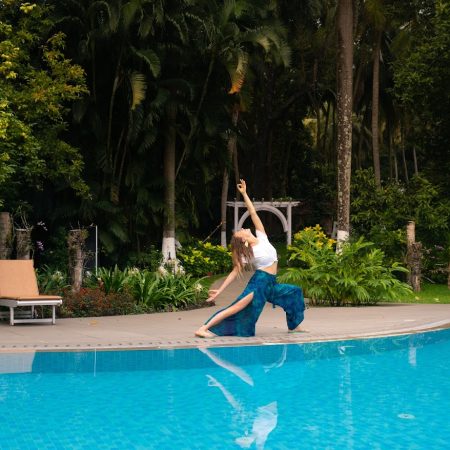
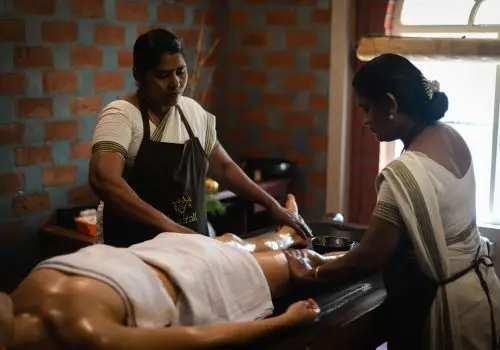
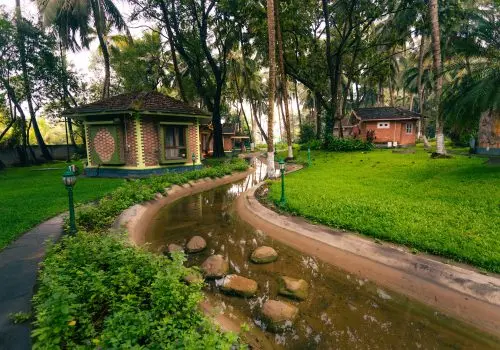
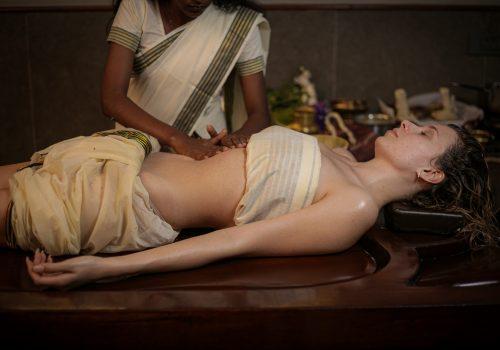
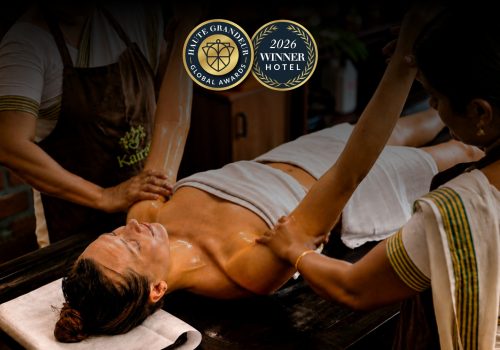
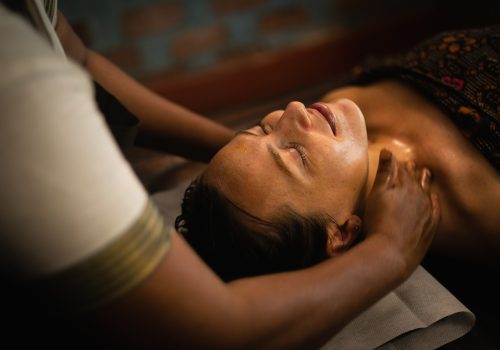
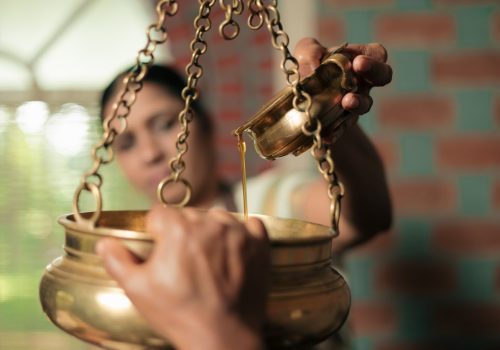
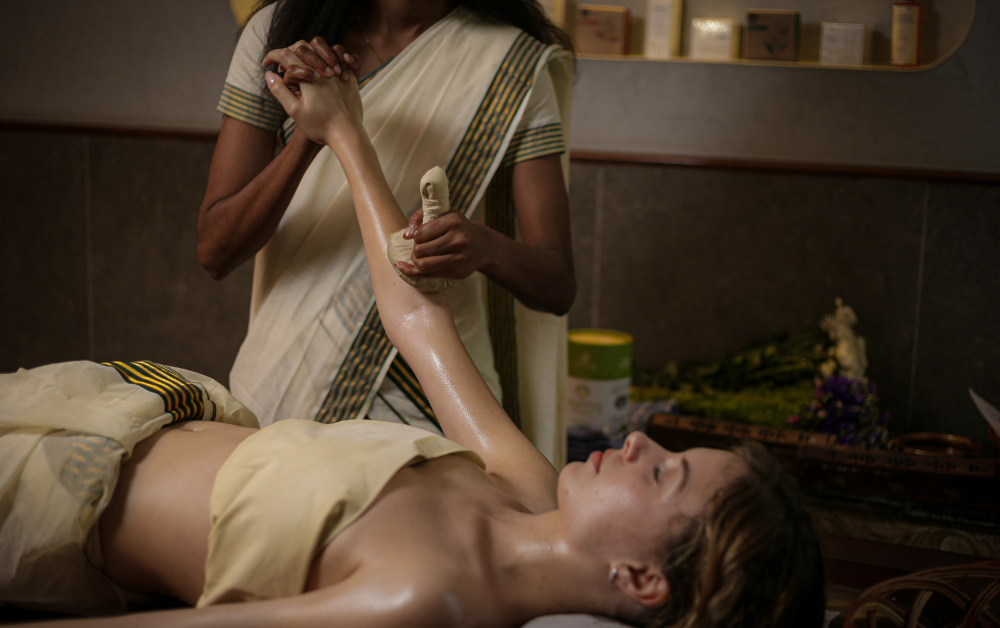
At Kairali – The Ayurvedic Healing Village in Palakkad, residential Ayurvedic care begins with a physician assessment rather than a standard programme selected solely by diagnosis or package name.
Kairali is an NABH-accredited Ayurvedic hospital and Panchakarma clinic. This clinical framework matters because a person’s suitability for intensive Ayurvedic procedures cannot be determined through an online questionnaire or a general description of symptoms.
The physician considers the guest’s health history, current medical care, medication use, digestion, strength, age and reason for seeking treatment. Therapies, meals, activity and rest are then planned according to the individual assessment.
For someone living with an autoimmune disorder, this does not replace specialist medical care. Nor should a residential Ayurvedic programme be presented as a cure.
The more responsible role for Ayurveda is complementary: to examine aspects of daily life, digestion, sleep, stress and physical capacity that may require individual support, while the diagnosed condition continues to be managed and monitored appropriately.
Where medication is involved, guests should provide a complete list to the Ayurvedic physician and should not stop prescribed treatment without consulting the clinician who prescribed it.
Collaboration must protect the patient
Ayurveda and modern medicine do not need to use identical theories in order to communicate. They do, however, need shared standards of patient safety, accurate documentation and honest outcome reporting.
The discussion taking place around Kshamatvam 2026 is therefore valuable not because it proves that integration has already been achieved, but because it acknowledges the work still required.
For patients, the most useful model is not one in which Ayurveda competes with immunology. It is one in which each practitioner understands the boundaries of their discipline, communicates clearly and avoids making the patient choose between systems.
Ayurveda may have a role in supporting routines, nutrition, digestion, rest and general resilience. Modern medicine remains essential for diagnosis, disease monitoring, management of complications and decisions about prescription treatment.
The bridge between them should be built from evidence, clinical responsibility and informed consent—not from the assumption that every traditional intervention is beneficial or that every modern treatment addresses the whole person.
People with an autoimmune diagnosis who are considering Ayurveda should consult both a qualified Ayurvedic physician and the medical specialist overseeing their condition.
To discuss whether physician-supervised Ayurvedic care may be appropriate alongside your existing treatment, speak with a Kairali Ayurvedic physician or enquire about residential programmes at Kairali – The Ayurvedic Healing Village.