

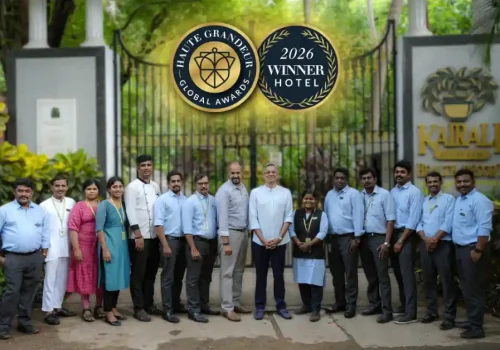







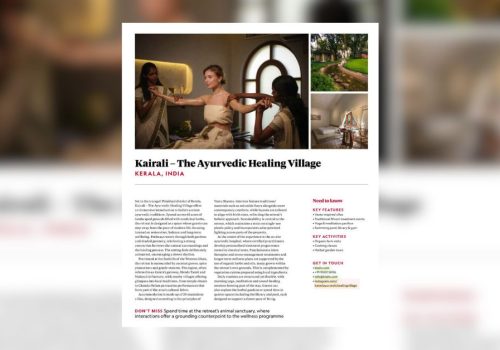


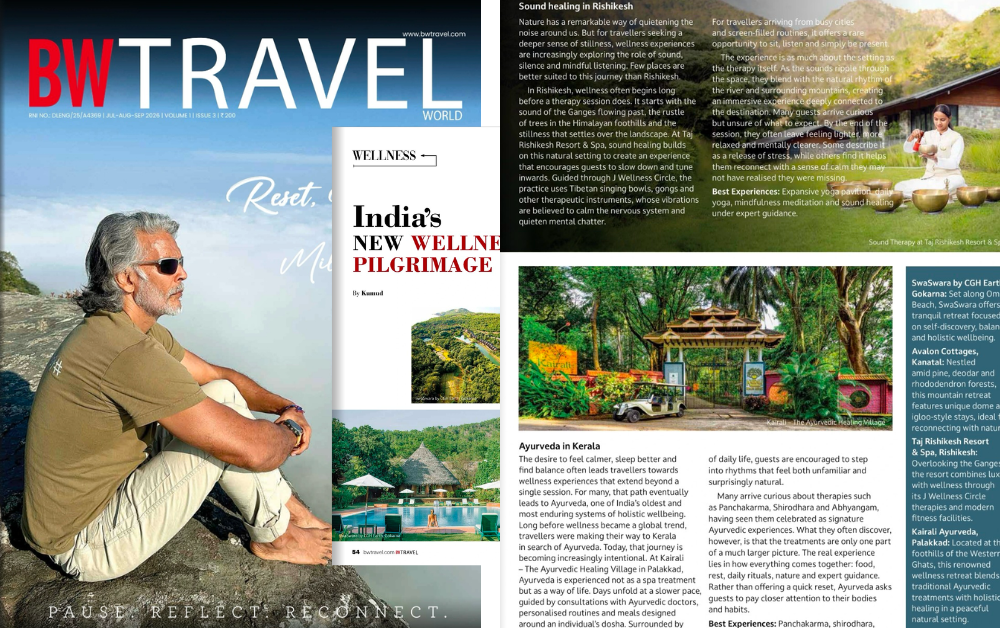

BW Travel World has featured Kairali – The Ayurvedic Healing Village in its July–September 2026 issue, placing the Palakkad centre within a wider guide to wellness experiences across India.
The magazine’s “Ayurveda in Kerala” section presents Kairali as a destination where Ayurveda extends beyond an individual therapy session. The feature draws attention to physician consultations, personalised routines, food, rest and daily guidance as parts of one connected programme.
This distinction matters. As Ayurveda becomes more visible within wellness travel, the word is increasingly used to describe everything from a single oil massage to a residential clinical programme. The two experiences are not the same.
Ayurveda beyond the treatment room
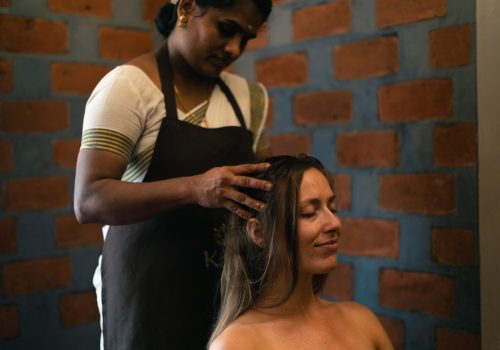
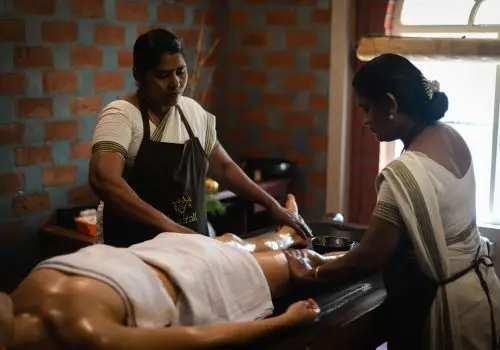
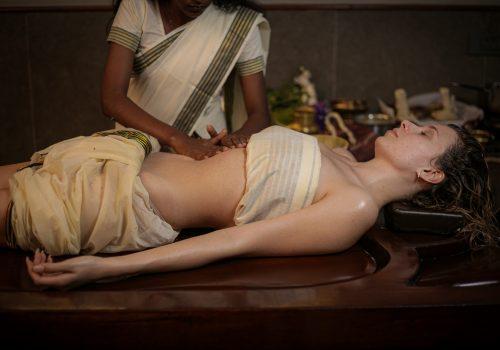
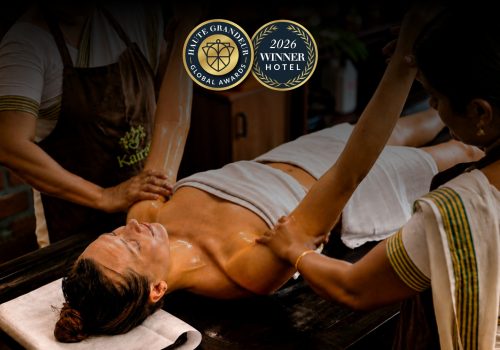
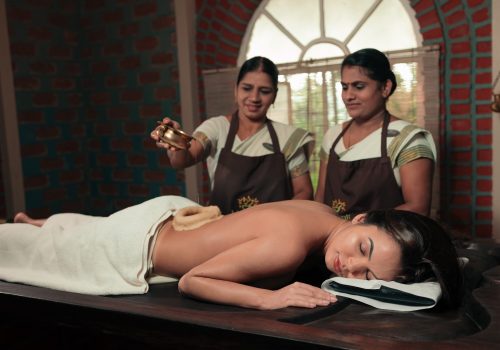
The BW Travel World feature observes that many travellers first become interested in Ayurveda through well-known therapies such as Panchakarma, Shirodhara and Abhyanga.
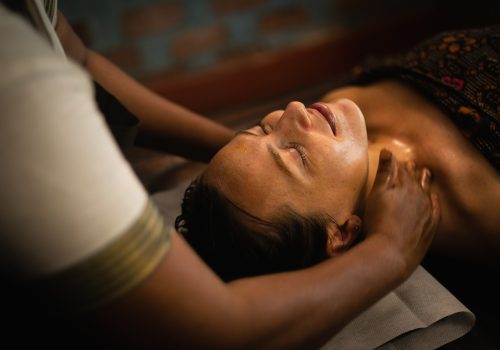
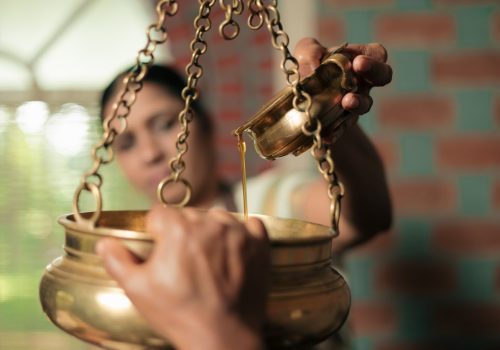
These therapies are often the most visible part of an Ayurvedic stay. Yet they represent only one part of the process.
At a physician-led centre, the experience usually begins with an assessment. The practitioner may consider the guest’s medical history, present concerns, appetite, digestion, sleep, daily routine, medication use and general strength.
This assessment helps determine which therapies may be suitable and which should be avoided. It may also shape the guest’s meals, activity, rest periods and daily schedule.
Ayurveda is therefore better understood as a system of individualised care than as a menu of treatments.
Why Kerala remains central to Ayurveda travel
Kerala has played a major role in the development of Ayurveda-based travel in India.
Its contribution is not limited to landscape or climate. The state has sustained practitioner traditions, therapy methods, medicinal-oil preparation, food practices and institutional models of residential Ayurvedic care.
For travellers, this creates an opportunity to experience Ayurveda within the cultural setting in which many of its contemporary clinical and therapeutic practices have developed.
However, location alone does not establish quality. A centre in Kerala should still be assessed by its medical governance, practitioner credentials, safety standards and clarity about what its programmes can reasonably offer.
The Kairali model in Palakkad
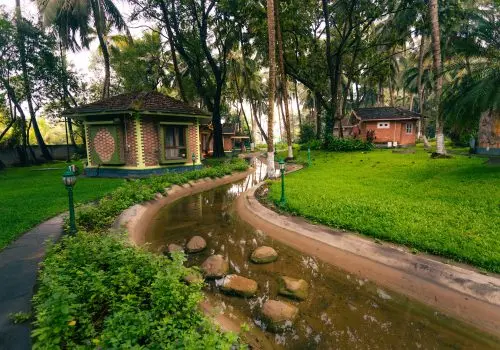
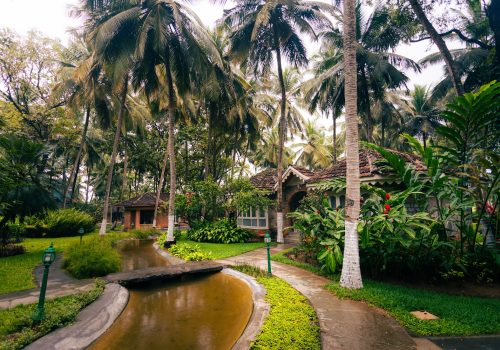
Kairali, The Ayurvedic Healing Village is located in Kodumbu, Palakkad. It operates as an NABH-accredited Ayurvedic hospital and holds the Government of Kerala’s Green Leaf Certification.
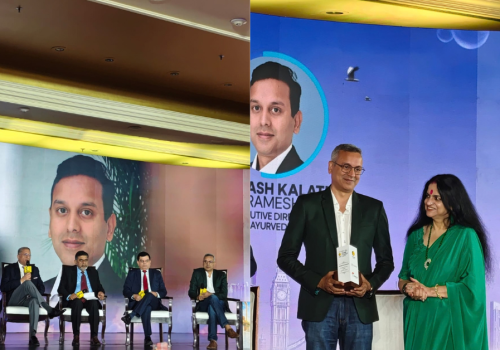
Kairali Ayurvedic Group was founded in 1989 by K.V. Ramesh and Gita Ramesh. The organisation draws on four generations of Ayurvedic practice in the founders’ family.
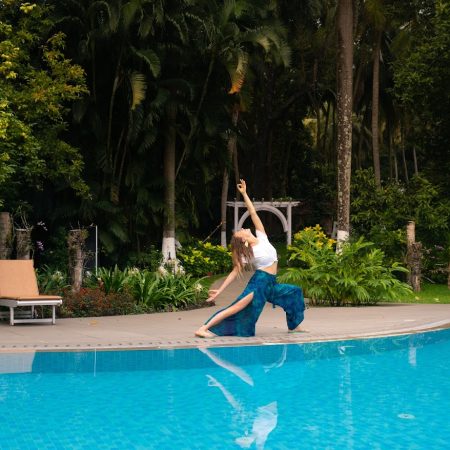
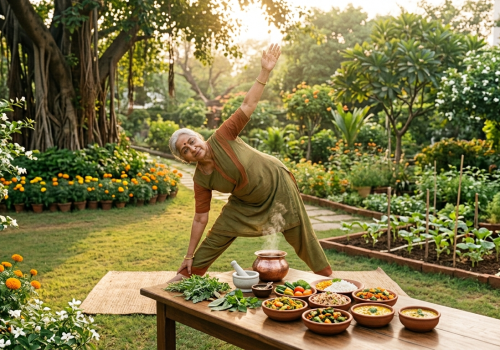
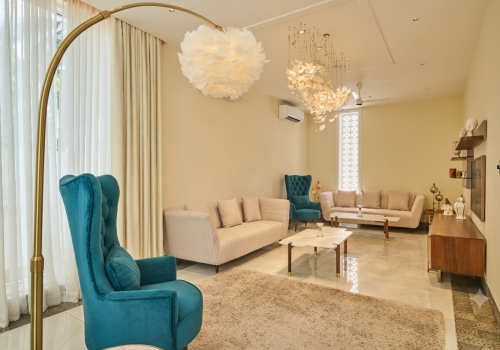
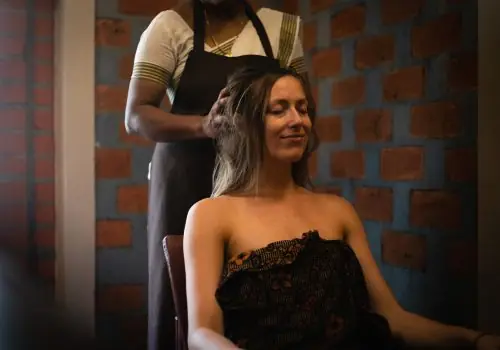
At the Healing Village, the residential setting is organised around physician-led programmes. Depending on the individual assessment, a stay may include consultations, selected therapies, food planning, yoga, breathing practices and rest.
The purpose of this structure is not to promise a rapid reset. It is to give the physician and guest enough time to observe patterns and make appropriate adjustments.
What Panchakarma actually requires
Panchakarma is among the experiences named in the magazine feature. It is also one of the most widely misunderstood terms in Ayurveda tourism.
Panchakarma refers to a structured group of supervised Ayurvedic procedures. It is not a standard package that should be offered in the same form to every guest.
A classical programme may involve preparation, a selected principal procedure and a managed recovery phase. The sequence depends on factors such as age, strength, constitution, medical history and current health.
Some guests may not be suitable candidates. Others may benefit from a programme focused on rest, food, routine and selected external therapies rather than a complete Panchakarma process.
A responsible centre should be able to explain why each procedure has been proposed and how the guest will be monitored.
Food, routine and rest are part of the programme
One of the strongest points in the BW Travel World feature is its recognition that Ayurveda is experienced through the whole day.
Meals are not separate from the programme. Their timing, ingredients, preparation and portions may be considered alongside appetite, digestion, season and treatment stage.
Daily routine matters for the same reason.
Regular meal times, reduced stimulation, appropriate movement and adequate rest create a setting in which the person’s response can be observed more clearly. This does not mean that food or routine should be described as cures. Their role is supportive and individual.
The quieter pace of a residential stay can also help guests notice habits that are easy to overlook at home: eating without appetite, sleeping at irregular hours or moving between long periods of work and exhaustion.
What travellers should ask before booking
Magazine recognition can introduce readers to a destination, but it should not replace careful evaluation.
Before choosing an Ayurvedic retreat, travellers should ask:
- Are programmes led by qualified Ayurvedic physicians?
- Is there an assessment before therapies begin?
- How are medical history and current medications reviewed?
- Are contraindications explained?
- Can the programme change during the stay?
- What happens if a therapy causes discomfort?
- Is aftercare provided?
- Are the expected outcomes described realistically?
The answers reveal more than a long list of facilities or treatments.
Why this feature matters
The inclusion of Kairali in BW Travel World reflects a wider change in how travel publications are covering wellness.
The strongest coverage is moving beyond photographs of treatment rooms and broad promises of relaxation. It is beginning to examine how programmes are organised, what guests actually experience and whether Ayurveda remains central to the stay.
That is a useful shift.
Ayurveda tourism is most credible when hospitality supports clinical practice, rather than reducing that practice to a spa theme. The setting may be peaceful, but the quality of the experience ultimately depends on assessment, supervision and clear boundaries.
The BW Travel World feature presents Kairali within that fuller understanding of Ayurveda in Kerala: not as one treatment, but as a residential rhythm shaped by consultation, food, routine, rest and practitioner guidance.
Read here: https://www.bwtravel.com/archives/monsoon-special-july-sept-2026-12204211 (Page 56)