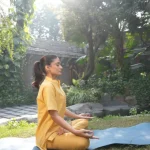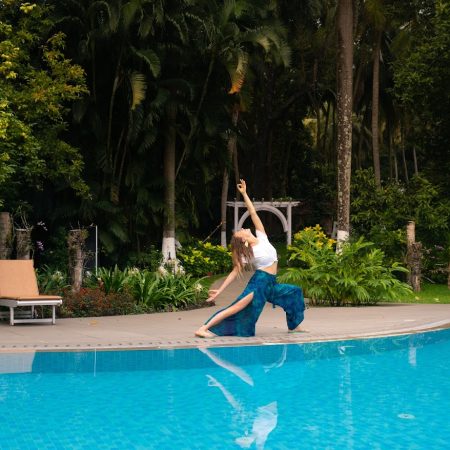



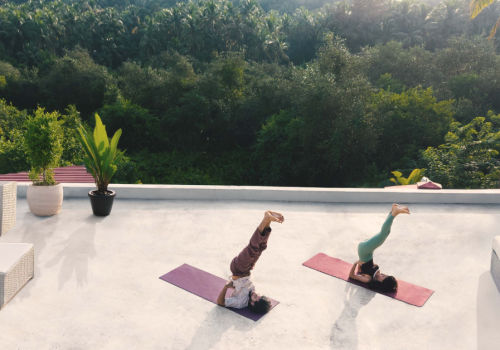

























Modern life keeps the mind busy for long hours. Work demands, constant notifications, irregular sleep, and limited movement can make it difficult to slow down.
Yoga and meditation offer a structured way to step away from that pace. When practised together, they can support movement, breath awareness, relaxation, and a more consistent daily routine.
At Kairali – The Ayurvedic Healing Village, the Yoga and Meditation Programme brings these practices together with Ayurvedic guidance, nourishing meals, and time in nature. The programme is designed for both beginners and experienced practitioners.
Why Yoga and Meditation Work Well Together
Yoga is often understood only as a form of exercise. However, the wider yogic tradition also includes breathing practices, meditation, self-discipline, and mindful living.
Physical postures help participants become more aware of the body. Pranayama then brings attention to the breath. Meditation extends that awareness to thoughts, emotions, and habitual reactions.
As a result, the three practices can form a connected routine rather than separate wellness activities.
The Role of Ayurveda
Ayurveda and Yoga share an interest in balance, daily rhythm, and self-awareness.
Ayurveda looks at factors such as digestion, sleep, activity, season, and individual constitution. Yoga adds movement, breathwork, and meditation.
At Kairali, the programme begins with an Ayurvedic consultation. The practitioner considers the guest’s constitution, current needs, physical ability, and wellness goals before recommending a suitable routine.
This personalisation matters because not every posture, breathing technique, or daily schedule suits every person.
What the Kairali Programme Includes
The programme combines guided practice with education and rest.
Its main elements include Yoga classes, meditation sessions, Ayurvedic lifestyle guidance, selected therapies, and follow-up recommendations. The programme page also lists Hatha and Vinyasa among the Yoga styles that may be taught.
Personalised Yoga Sessions
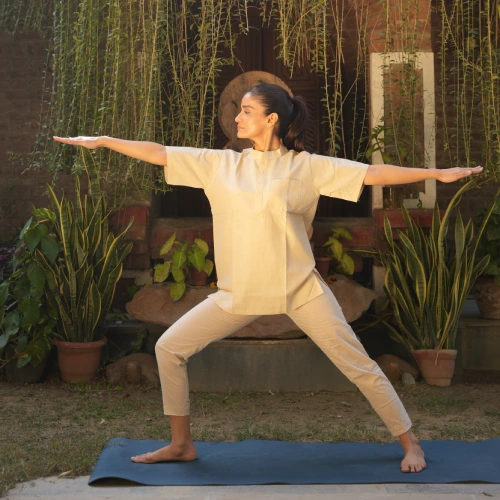
Participants receive guided Yoga sessions suited to their experience and physical capacity.
A beginner may focus on basic postures, breathing, and safe alignment. A more experienced participant may follow a more detailed sequence.
The aim is not to push the body. Instead, the practice should develop gradually and remain appropriate for the individual.
Kairali states that instructors can offer modifications for guests with injuries or physical limitations.
Guided Meditation
Meditation can feel difficult at first, especially for people who are used to constant mental activity.
For this reason, guided practice can be useful. The Kairali programme introduces methods such as mindfulness, breath awareness, and mantra meditation. These sessions are also suitable for beginners.
The purpose is not to force the mind to become completely silent. Instead, participants learn to observe thoughts with less reaction and return their attention to a chosen point of focus.
Pranayama and Breath Awareness
Pranayama is the practice of working consciously with the breath.
Slow and carefully guided breathing can help participants move from mental distraction towards greater awareness. It also creates a bridge between physical Yoga and meditation.
However, breathing practices should match the participant’s health and experience. Strong or advanced techniques are best learnt under qualified guidance.
A Typical Day at the Retreat
The programme follows a structured daily rhythm.
According to Kairali’s published routine, the day may begin with personal care practices, followed by Yoga, Pranayama, and meditation. Breakfast, educational sessions, nature walks, Ayurvedic therapies, and evening meditation may also form part of the schedule.
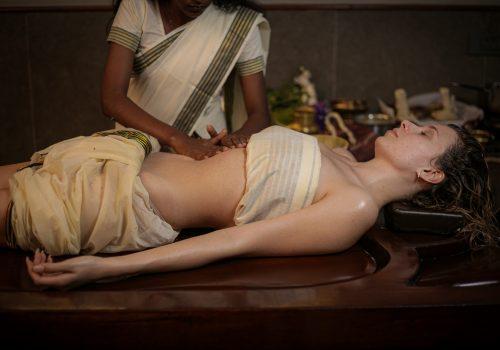
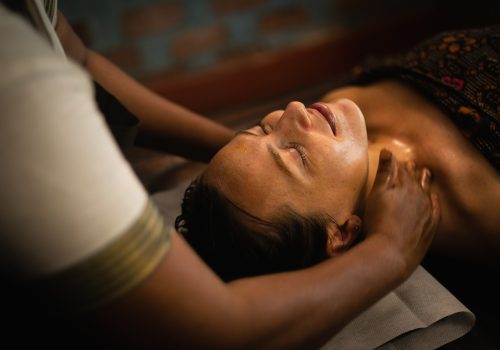
The residential package currently describes private morning Yoga sessions and private evening meditation sessions. It also includes vegetarian meals, a daily Abhyangam massage with steam, and weekly educational activities.
The exact routine may vary according to the consultation and programme plan.
Learning Beyond the Yoga Mat
A retreat can be more useful when it teaches habits that continue after the stay.
Kairali includes educational sessions on Ayurvedic principles, Yoga philosophy, daily routines, cooking, seasonal living, and work-rest balance. The weekly schedule also features an organic farm visit and practical wellness sessions.
These activities help participants understand that wellbeing is influenced by the whole day, not only by one hour of Yoga.
Food, sleep, movement, mental stimulation, and rest all play a part.
The Importance of Ayurvedic Meals
Meals form part of the programme rather than sitting outside it.
The retreat serves vegetarian food and presents Ayurvedic cuisine as a support for the wider daily routine. Meals are scheduled at regular times, while dinner is kept lighter in the published programme outline.
This encourages participants to eat with greater awareness and notice how timing, quantity, and food choices affect comfort and energy.
Who May Find the Programme Useful?
The programme may suit people who want to:
- Develop a regular Yoga practice
- Learn meditation in a guided setting
- Reduce the pace of a demanding routine
- Improve body awareness and flexibility
- Explore Ayurveda and Yoga together
- Build healthier daily habits
It may also appeal to experienced practitioners who want focused time away from work and routine.
People with injuries, mobility concerns, pregnancy, or existing medical conditions should discuss them with the relevant healthcare professional and the programme team before beginning.
Why the Setting Matters
Environment can influence how easily people slow down.
A residential retreat reduces many daily distractions. It creates time for practice, meals, rest, and reflection without the usual pressure to move quickly from one task to another.
At Kairali – The Ayurvedic Healing Village, the combination of guided sessions, natural surroundings, and a structured programme is intended to support this slower rhythm.
Taking the Practice Home
The value of a retreat depends partly on what happens afterwards.
A long routine is not always necessary. A few sustainable habits may be more useful than an ambitious schedule that is quickly abandoned.
These could include a short morning Yoga practice, five minutes of breath awareness, an earlier evening meal, or a regular bedtime.
The goal is consistency, not perfection.
A More Integrated Approach to Wellbeing
Yoga, meditation, and Ayurveda are often presented as separate subjects. In practice, they can complement one another.
Yoga supports movement and awareness. Meditation develops attention. Ayurveda provides a framework for daily routine, food, rest, and individual needs.
Kairali’s Yoga and Meditation Programme brings these elements into one residential experience. It offers participants the space to practise, learn, and consider which habits can become part of everyday life.
Book free doctor consultation at +91-9555156156 or visit at www.ktahv.com