










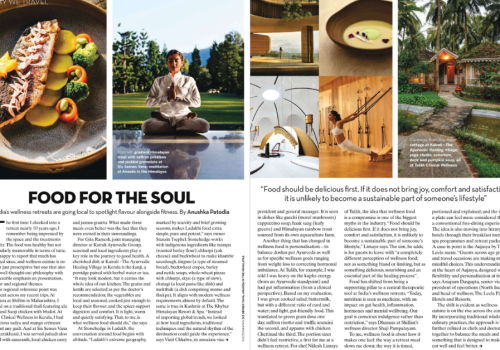



A recent Robb Report India feature offers an early look at Villa Raag through the experience of travel and wellness writer Gargi Guha.
Her article does not read like a list of facilities. Instead, it follows the small details that shaped her stay: a yoga session under a skylight, home-style meals, quiet architecture and the slower pace of Agonda in South Goa.
Together, these details show what Villa Raag is trying to offer.
The stay begins with yoga
Guha opens her article during a session of yoga nidrā, or guided yogic rest.
She is lying beneath a glass skylight while the monsoon light moves above her. Yoga instructor Pravesh Gaonkar brings her attention back to her breath.
She also notes that this session is more advanced than the one she attended the previous day. That detail suggests a programme that responds to the guest rather than repeating the same class each morning.
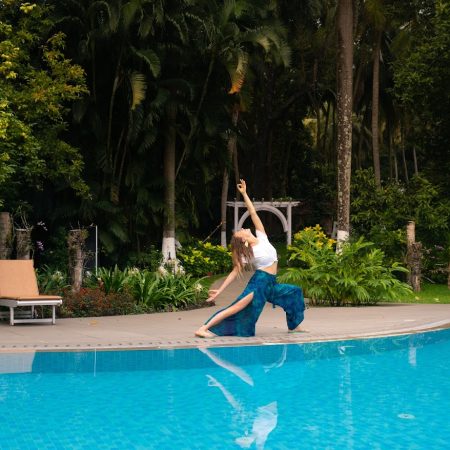
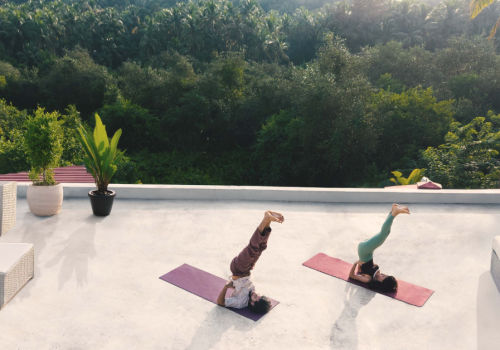
At Villa Raag, yoga is not presented as an extra activity added to a hotel stay. It is one of the main parts of the experience.
The property is expected to offer Hatha and Vinyasa yoga, meditation, restorative practices and mindful nutrition as part of its wellness programmes.
A quieter experience of Goa
Goa is often associated with crowded beaches, nightlife and busy resorts.
Agonda feels different.
Villa Raag is located in South Goa, close to Agonda Beach and the surrounding backwaters. Guha describes the area as quiet and unpretentious. She feels that the property reflects the same character.
The setting allows the stay to feel connected to Goa without being shaped by its busier side.
Guests can walk to the beach, spend time near the backwaters or visit nearby places such as Butterfly Beach, Cola Beach and Cabo de Rama Fort.
But the article suggests that Villa Raag does not depend on a packed sightseeing plan. Much of its appeal lies in allowing guests to remain still.
Architecture that supports the mood
The villa was designed by Durga Sarath Architects.
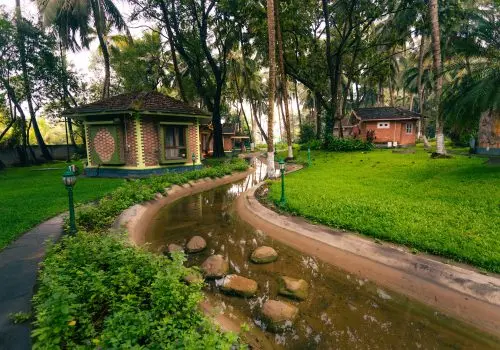
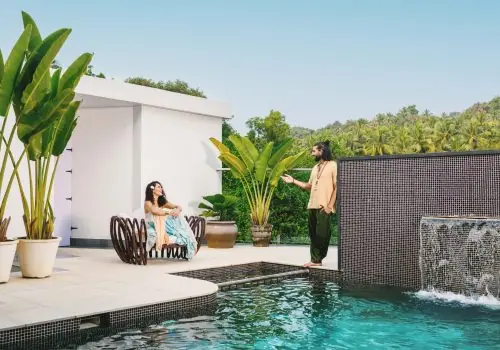
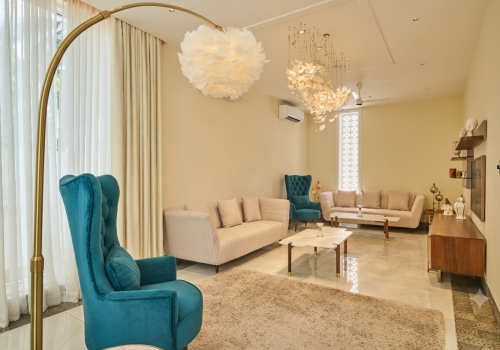
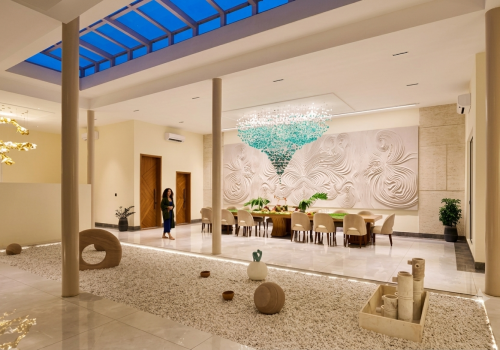
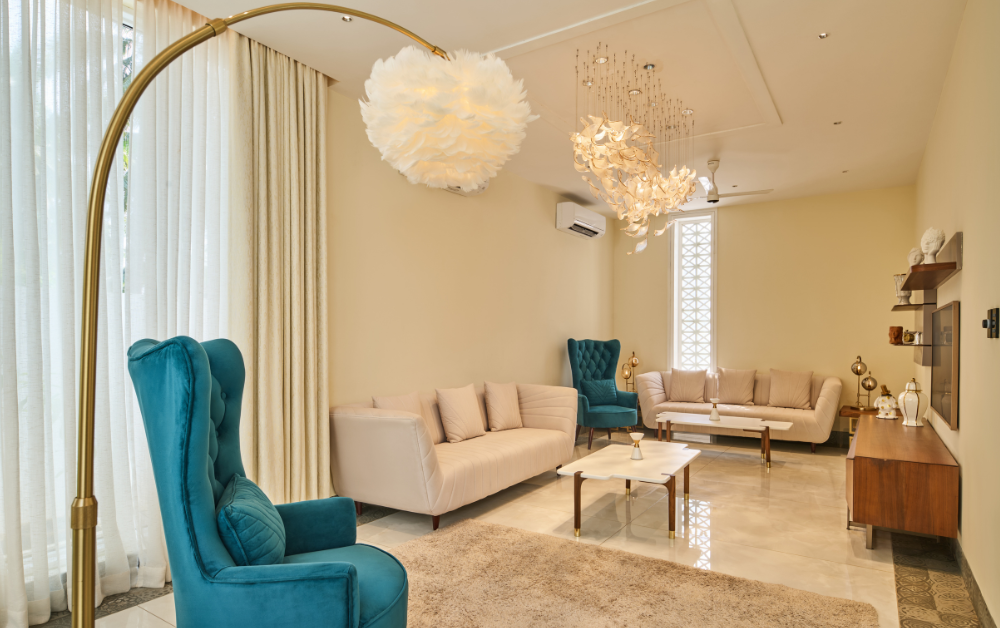
Its design uses white surfaces, sage-green details, large windows and skylights. A central garden with pale pebbles and water divides the main living space. Outside, a deck beside the saltwater pool faces the tree-lined backwaters.
Guha notices how these elements shape the atmosphere of the property.
The design is contemporary rather than traditionally Goan. Yet it does not feel separate from the landscape. Natural light, water and planting soften the clean lines of the building.
These details matter in a wellness space.
A calm environment cannot create health benefits on its own. But it can make rest, movement and reflection easier.
Meals that feel personal
Food is another important part of Guha’s stay.
She describes sitting at Villa Raag’s shared dining table and speaking with Kairali Ayurvedic Group co-founder Gita Ramesh. The experience made her feel more like a guest in a private home than a customer in a large resort.
The meals are described as fresh and home-style.
The menu also includes options such as salads, smoothies, sourdough bread, Buddha bowls and vegan sorbets. Tea and coffee are available on request, although machines are not placed in the rooms.
This style of service suits the scale of the property.
Instead of offering constant choice, it creates more room for conversation, slower meals and personal attention.
A small property with a clear identity
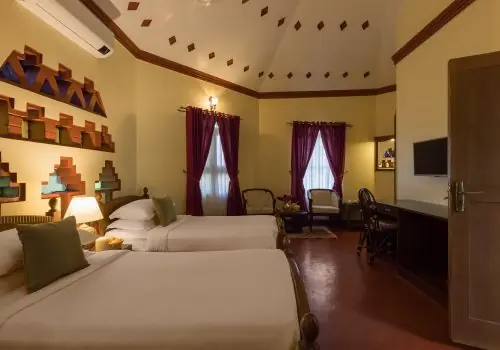
Villa Raag has six suites, including four Serenity Suites and two Harmony Haven rooms. The two Harmony Haven rooms include private saunas and sunken baths.
Yet Guha’s article spends less time on room features than on how the stay feels.
She writes about yoga, food, light, water and the quiet around Agonda.
This gives the review credibility. Her experience is not presented as a dramatic change or a guaranteed result. It is simply an account of what she noticed during her time at the property.
She relaxed during yoga. She enjoyed the meals. She responded to the design. She appreciated the personal atmosphere.
How Villa Raag fits within Kairali
Villa Raag is Kairali Ayurvedic Group’s wellness property in Goa.
Kairali Ayurvedic Group was founded in 1989 by K.V. Ramesh and Gita Ramesh. It draws on four generations of Ayurvedic practice in the founders’ family.
Villa Raag has a different purpose from Kairali – The Ayurvedic Healing Village in Palakkad.
The Palakkad property is an NABH-accredited Ayurvedic hospital focused on physician-led Ayurveda and Panchakarma. Villa Raag is a smaller, yoga-led wellness property centred on rest, food, movement and personal hospitality.
The two experiences should not be treated as the same.
A guest seeking a structured clinical Ayurveda programme may be better suited to Palakkad. A guest seeking a quiet, yoga-focused stay in Goa may find Villa Raag more appropriate.
An early view of Villa Raag
The Robb Report India article is presented as a “First Take.”
That is the right way to read it.
Villa Raag is a new property, and its programmes will continue to develop. Guha’s review offers an early, independent view of the experience.
What stands out is not excess.
It is the combination of guided yoga, thoughtful design, simple food and a quiet setting.
The clearest image from the article is also the simplest: a guest beneath a skylight, listening to an instructor remind her to breathe.
That moment captures Villa Raag better than a long list of amenities.