
























Ayurvedic postpartum care supports recovery after childbirth through rest, nourishing food, gentle therapies and medical guidance. The right approach depends on the type of delivery, the mother’s health and her stage of recovery.
After childbirth, most attention shifts to the baby.
Feeding, sleep and daily care become the main focus. The mother’s recovery is often pushed into the background.
Yet childbirth places major demands on the body. A new mother may be dealing with pain, weakness, blood loss, poor sleep, digestive changes and emotional strain.
Ayurveda treats this as a distinct period of care.
The postpartum phase is known as sūtikā kāla. The care given during this time is called sūtikā paricaryā.
The aim is simple: help the mother recover gradually.
This may include:
- proper rest
- warm, nourishing meals
- support for digestion
- gentle oil therapies
- light movement
- emotional support
- a slow return to normal activity
Postpartum care should not be rushed. It should also not follow the same plan for every woman.
Why postpartum care must be personal
Every birth is different.
A woman recovering after a vaginal delivery may have different needs from someone recovering after a Caesarean birth.
The plan may also change based on:
- pain
- bleeding
- appetite
- digestion
- sleep
- mobility
- breastfeeding
- medication
- surgical healing
- emotional well-being
This is why postpartum Ayurvedic care should begin with a medical assessment.
The physician should understand the mother’s delivery history, present symptoms and recovery before recommending any treatment.
A fixed package cannot replace individual care.
The main goals of Ayurvedic postpartum care
Ayurveda focuses on rebuilding strength after childbirth.
The early postpartum period is not usually the time for intense cleansing or demanding treatments. The body needs nourishment, rest and gradual support.
The main priorities are food, sleep, digestion, comfort and recovery.
Rest and reduced physical strain
Rest is one of the most important parts of postpartum recovery.
The body has gone through pregnancy and childbirth. In some cases, it is also healing after major abdominal surgery.
A new mother may need help with:
- lifting
- household work
- long periods of standing
- baby care during treatment
- night-time feeding
- travel
Rest does not always mean staying in bed all day.
Gentle movement can support comfort and confidence. But activity should increase slowly and only when it feels safe.
Warm and nourishing food
Ayurvedic postpartum meals are usually warm, fresh and easy to digest.
The diet may include:
- cooked grains
- lentils
- soups
- soft vegetables
- khichdi
- suitable fats
- mild spices
- warm fluids
The exact menu should depend on the mother’s appetite, digestion and nutritional needs.
A breastfeeding mother may need more food and fluids. Someone with constipation or poor appetite may need a different plan.
There is no single postpartum diet for everyone.
The food should nourish the mother without making digestion difficult.
Supporting digestion
Digestion may become irregular after childbirth.
Common reasons include:
- medication
- reduced movement
- poor sleep
- stress
- irregular meals
- changes in routine
Ayurvedic care may therefore pay attention to appetite, bloating, constipation and meal timing.
This does not mean the diet should be very restrictive.
The mother still needs enough nourishment for healing and, where relevant, breastfeeding.
Gentle oil-based therapies
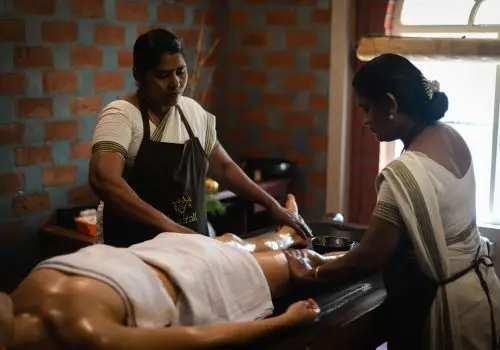
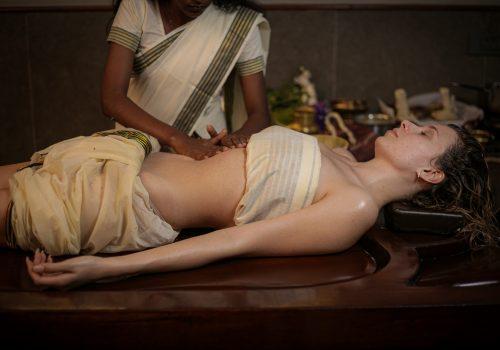
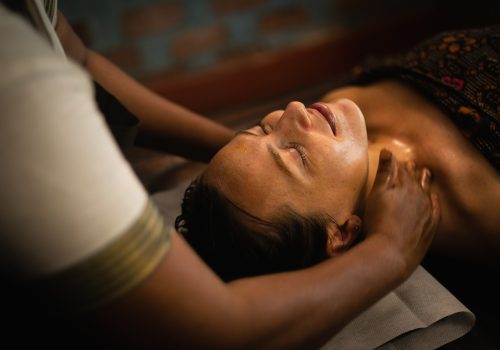
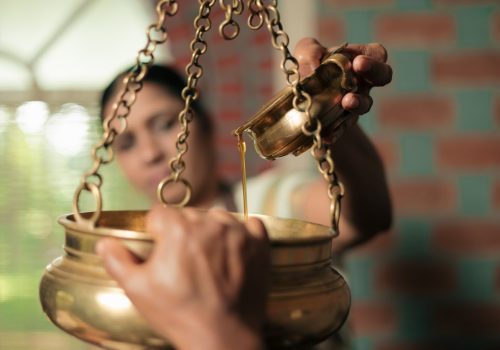
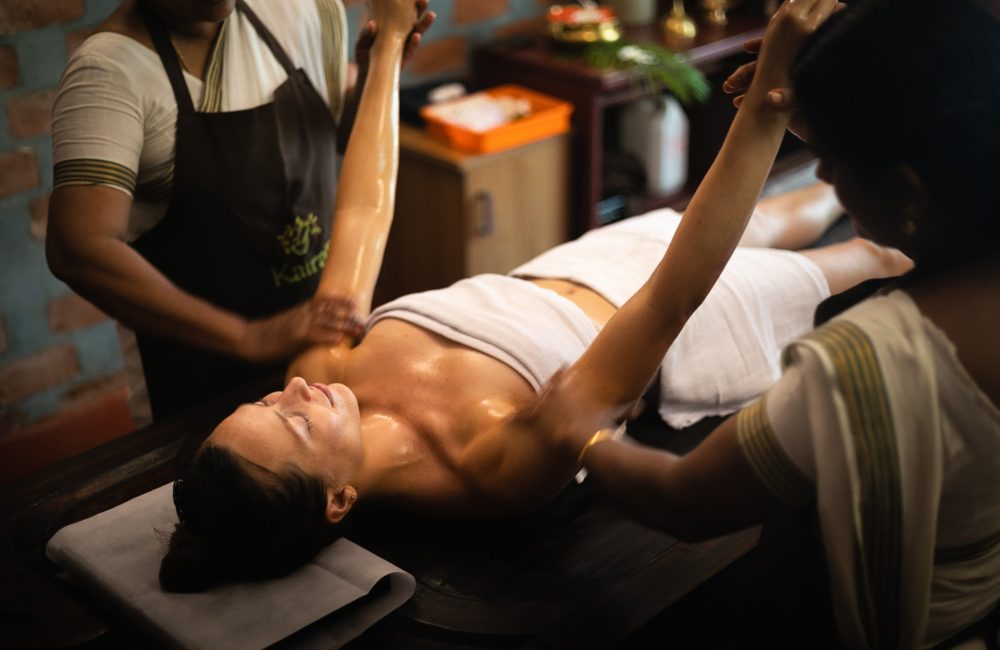
Oil massage has a long place in Indian postpartum care.
A gentle oil therapy may offer warmth, comfort and time to rest. It may also help some women feel less stiff after long feeding sessions or disrupted sleep.
However, massage cannot be presented as a treatment that automatically corrects hormones, restores the pelvis or removes all pain.
The oil, pressure and timing should be chosen carefully.
Massage may need to be delayed or changed if the mother has:
- active bleeding
- fever
- infection
- swelling
- severe pain
- an unhealed Caesarean scar
- open wounds
- skin irritation
- a suspected blood clot
Pain that is severe or persistent needs proper medical assessment.
When can postpartum therapy begin?
The right time depends on the type of delivery and the mother’s recovery.
After a Caesarean birth, more time is usually needed before full-body therapies are considered.
The wound must heal properly. Mobility and medical clearance are also important.
Even after a vaginal delivery, treatment may need to wait if there is:
- heavy bleeding
- fever
- severe pain
- dizziness
- infection
- high blood pressure
- wound problems
- serious weakness
General programme guidelines can help, but the final decision should follow medical assessment.
Breastfeeding and Ayurvedic care
Breastfeeding affects both diet and treatment choices.
A breastfeeding mother may need:
- regular meals
- enough fluids
- extra energy
- careful review of herbs
- help with sleep and fatigue
- lactation support
Herbal products should not be used only because they are described as natural.
Any medicine taken by the mother may also affect the baby.
Concerns about milk supply, breast pain, fever or poor infant weight gain should be assessed by a doctor or qualified lactation professional.
How long should a postpartum programme last?
There is no single ideal duration.
A shorter stay may provide rest, medical review, nourishing meals and gentle therapies.
A longer stay may allow more time for:
- observation
- gradual treatment
- dietary changes
- recovery
- routine building
- follow-up planning
The right duration depends on:
- the stage of recovery
- type of delivery
- strength
- mobility
- sleep
- feeding needs
- family support
- time available
A longer stay is not always better.
The programme should be gentle enough for the mother’s condition.
Yoga and movement after childbirth
Postpartum yoga should be slow and carefully planned.
Gentle breathing, stretching and movement may support recovery. But the plan should consider:
- Caesarean healing
- pelvic-floor weakness
- abdominal separation
- back pain
- neck pain
- fatigue
- dizziness
Strong abdominal work and demanding postures may not be suitable during early recovery.
Movement should support healing, not test strength.
Emotional recovery matters
The postpartum period can also affect mental health.
Some mothers may experience:
- anxiety
- sadness
- irritability
- fear
- exhaustion
- loneliness
- feeling overwhelmed
Rest and supportive care can help, but they do not replace mental-health treatment when symptoms are serious.
Urgent help is needed if the mother has:
- thoughts of self-harm
- thoughts of harming the baby
- severe hopelessness
- confusion
- panic
- extreme withdrawal
- loss of contact with reality
Postpartum depression and anxiety are medical concerns. They should be treated with care and without judgement.
When Ayurvedic care is not enough
Ayurvedic postpartum care can support rest, food and recovery.
It cannot replace emergency or specialist treatment.
Medical help is needed for:
- heavy bleeding
- fever
- chest pain
- breathing difficulty
- severe headache
- blurred vision
- one-sided leg swelling
- wound discharge
- severe abdominal pain
- urinary problems
- breastfeeding complications
- serious mental-health symptoms
Responsible care includes knowing when another doctor or specialist is needed.
Postpartum care at Kairali
Kairali – The Ayurvedic Healing Village in Palakkad, offers a physician-guided Postpartum Rejuvenation Therapy programme.
The programme is provided within an NABH-accredited Ayurvedic setting.
It is available for:
- 14 days
- 21 days
- 28 days
- up to 40 days in selected cases
These are general programme guidelines. Final suitability depends on the physician’s assessment.
The programme may include:
- a teleconsultation before arrival
- physician assessment
- regular medical reviews
- personalised therapies
- three meals each day
- an individual diet plan
- gentle movement and breathing practices
- follow-up guidance after the stay
The exact plan is not fixed before assessment.
The medical team considers the mother’s recovery, delivery history, breastfeeding, strength and present symptoms before recommending treatment.
A more supported recovery
New mothers are often told to rest, eat well and ask for help.
The challenge is finding the time and support to do those things.
Ayurvedic postpartum care offers a structured way to focus on recovery. Its value lies in regular meals, rest, gentle therapies, medical guidance and a gradual return to daily life.
For mothers considering Kairali’s programme, the first step is a physician consultation.
The medical team can review the delivery history, current recovery, breastfeeding, medication and available stay before recommending a suitable plan.
Book a free consultation at +91-9555156156 or visit www.ktahv.com