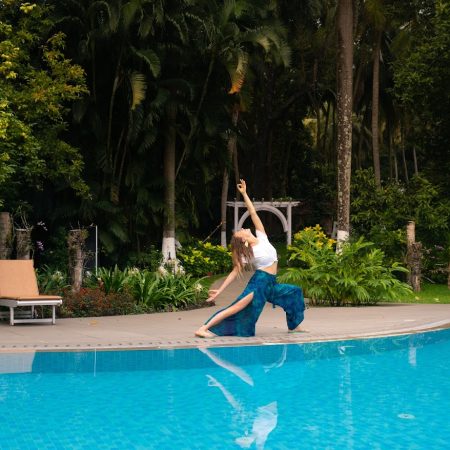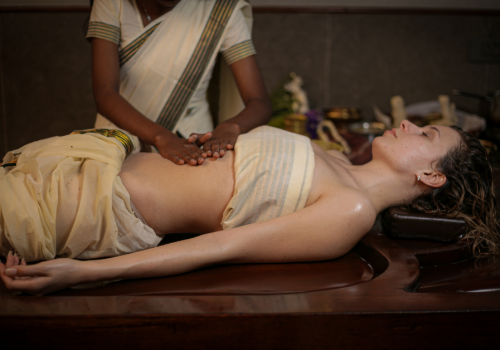
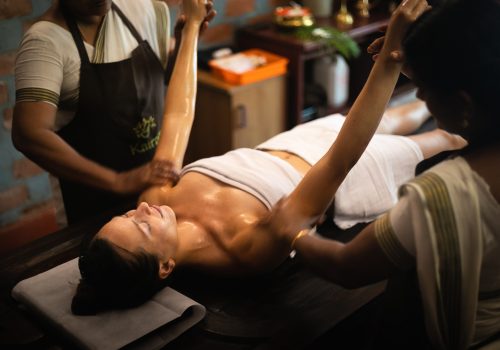
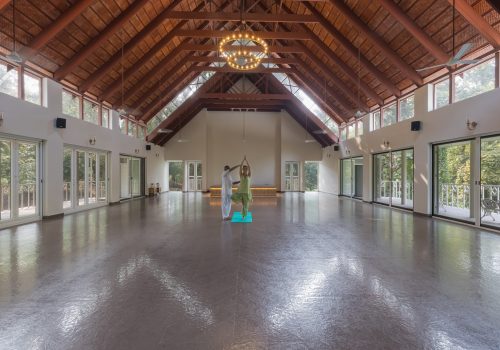






















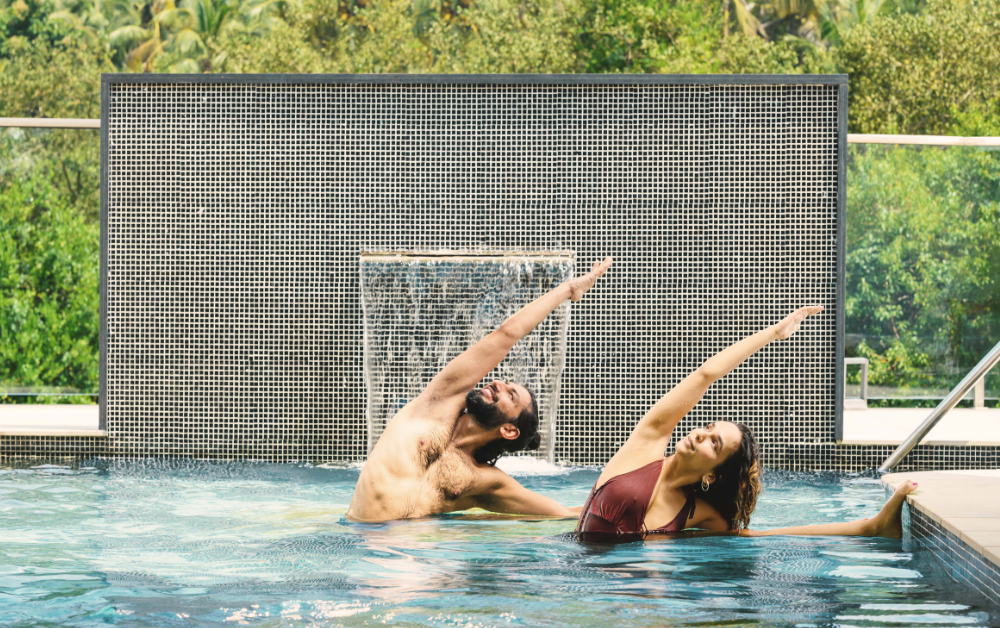

When guests arrive at Villa Raag in Goa, they often expect gentle yoga sessions, restorative therapies, and peaceful coastal surroundings. What many discover during their stay is that one of the most effective practices recommended by the wellness team is also among the simplest to learn: Navasana (Boat Pose).
According to the Ayurvedic physicians and yoga instructors at Villa Raag, this foundational yoga posture supports core strength, postural stability, digestive wellbeing, and mindful breathing when practised with proper alignment and guidance. Although deceptively simple, Navasana combines strength, balance, and concentration, making it a valuable addition to many wellness routines.
Navasana Through an Ayurvedic Lens
In Ayurveda—the traditional system of health and wellbeing—the abdominal region is closely associated with Agni, or digestive fire, which plays an important role in digestion and metabolism. The abdomen is also viewed as an area where physical and emotional tension may accumulate due to stress, travel, irregular routines, or hormonal changes.
Navasana engages this region by:
- Activating the deep core muscles, including the abdomen, hip flexors, pelvic floor, and lower back.
- Supporting awareness of the abdominal region through controlled movement and steady breathing.
- Encouraging balance, focus, and mindful body awareness.
At Villa Raag, this posture is frequently incorporated into personalised yoga sessions for guests seeking to improve core stability, posture, and body awareness. Depending on an individual’s health status and following appropriate medical clearance, it may also form part of programmes designed for women navigating life stages such as perimenopause or postnatal recovery.
How Boat Pose May Support Stress Regulation
One of the distinctive aspects of Navasana is that it combines physical effort with controlled breathing. Maintaining the posture requires muscular engagement while encouraging the practitioner to keep the breath calm and steady.
Research examining yoga programmes that include stabilisation postures suggests they may contribute to improvements in perceived stress and certain physiological stress markers over time. Individual studies vary in quality and outcomes, and more research is needed to understand the specific contribution of individual poses.
Clinical observations from Ayurvedic wellness settings also suggest that guests who regularly practise breath-led, core-focused yoga postures often report improvements in sleep quality, sustained energy, and their ability to respond calmly to everyday stress. Individual experiences vary, and these observations should not be interpreted as guaranteed outcomes.
At Villa Raag, yoga instructors typically pair Navasana with:
- Slow, even breathing to encourage relaxation.
- Short holds followed by periods of rest to minimise unnecessary strain.
- Gentle awareness of the lower abdomen and chest to improve posture and body awareness.
The emphasis is not on forcing the body into a particular shape but on developing strength while maintaining smooth, comfortable breathing.
Why Navasana Is Often Recommended for Functional Core Strength
Many people looking to strengthen their core prefer movements that build stability without relying solely on repetitive abdominal exercises.
Navasana is frequently recommended because it engages multiple muscle groups simultaneously, including the abdominal muscles, hip flexors, spinal stabilisers, and muscles responsible for maintaining balance.
When practised consistently with proper technique, many practitioners report:
- Improved awareness of posture during daily activities.
- Greater support around the lower back.
- Better coordination between movement and breathing.
- Increased confidence in core stability during everyday tasks.
These benefits develop gradually through regular practice rather than from occasional sessions.
How to Practise Navasana Safely
Whether practised at Villa Raag, in a yoga studio, or at home, proper alignment is essential.
Step-by-Step Guide
- Sit comfortably on a yoga mat with your legs extended and your spine upright.
- Bend both knees while keeping your feet on the floor.
- Lean back slightly without rounding the spine.
- Lift your feet until your shins become parallel to the floor.
- If comfortable, gradually straighten the legs to create a V shape with your torso.
- Extend your arms forward so they are parallel to the floor, keeping your shoulders relaxed.
- Breathe slowly through the nose for five to ten comfortable breaths.
- Gently release the pose and rest before repeating.
Practise up to three to five rounds, provided the breath remains smooth and there is no pain or excessive strain.
Common Alignment Mistakes to Avoid
Beginners often benefit from paying attention to a few common errors:
- Rounding the lower back instead of lengthening the spine.
- Holding the breath during the posture.
- Lifting the shoulders towards the ears.
- Forcing the legs higher at the expense of proper alignment.
- Continuing despite sharp pain in the back, hips, or pelvis.
When these alignment issues are observed during guided sessions at Villa Raag, yoga instructors commonly recommend:
- Keeping the hands on the floor beside the hips for additional support.
- Maintaining bent knees until adequate strength develops.
- Using a folded blanket beneath the sitting bones for improved comfort.
Who Should Practise with Caution?
Although Navasana can be beneficial for many individuals, it may not be appropriate in every situation.
Consult a qualified healthcare professional or experienced yoga instructor before practising if you:
- Are pregnant.
- Are in the early stages of postnatal recovery.
- Have a history of herniated discs or significant lower back problems.
- Have recently undergone abdominal surgery.
- Are experiencing severe pelvic pain or an active gastrointestinal condition.
Before recommending core-strengthening practices, the Ayurvedic physicians and yoga instructors at Villa Raag consider each guest’s health history, current fitness level, and wellness goals. Any yoga practice should respect an individual’s present capacity rather than past fitness levels or external expectations.
Bringing Navasana into a Simple Daily Routine
A meaningful yoga practice does not always require a lengthy session.
Many people find the following sequence manageable even on busy days:
- Three to five minutes of gentle warm-up movements such as Cat–Cow and seated twists.
- Three rounds of Navasana, holding each for five to eight comfortable breaths.
- Two to three minutes of relaxation while lying comfortably on the back with attention on slow, steady breathing.
This short routine can be practised before work, after travel, or during an evening wind-down.
The Takeaway
Navasana demonstrates how a single yoga posture can combine strength, balance, mindful breathing, and body awareness in one practice. While it is not a substitute for a comprehensive yoga programme or personalised healthcare, it can become a valuable component of a balanced wellness routine.
When practised consistently and with proper guidance, Boat Pose may contribute to improved core stability, better postural awareness, and a greater sense of physical and mental balance. Combined with healthy lifestyle habits, restorative sleep, balanced nutrition, and mindful movement, it offers a simple yet meaningful way to support overall wellbeing.