
























What Goa’s award-winning coastline reveals about the future of restorative tourism
Goa has once again found itself in the national tourism spotlight. At the India Today Tourism Survey & Awards 2026, Agonda Beach emerged as the winner in the Beach Destination category, adding another chapter to the state’s long-standing reputation as one of India’s most enduring travel destinations.
The recognition reflects more than the appeal of a particular stretch of coastline. It highlights a broader shift taking place within global tourism itself. As travellers become increasingly overwhelmed by crowded destinations, over-programmed itineraries, and the constant stimulation that now accompanies much of modern life, places like Agonda are becoming more valuable precisely because they offer something increasingly rare: space.
For decades, tourism success was often measured through growth metrics—more visitors, more attractions, more activity, more development. Yet the post-pandemic travel landscape has revealed a growing countertrend. Many travellers are no longer searching for the most popular destination. They are searching for the least interrupted experience.
Agonda’s appeal lies in what it has not become.
Unlike many beach destinations that have evolved into densely commercialised tourism zones, Agonda has largely retained a sense of physical and psychological openness. The beach remains defined by long walks rather than crowded promenades, natural rhythms rather than entertainment schedules, and the sound of the sea rather than a constant backdrop of activity.
That distinction matters.
The modern traveller is living through an era of unprecedented sensory saturation. Notifications compete for attention from the moment we wake up. Work increasingly follows us across time zones. Social media has transformed even leisure into a form of performance. Many people arrive at a holiday destination carrying the same cognitive load they hoped to leave behind.
In that environment, tranquillity is no longer a luxury add-on. It is becoming the primary reason people travel.
This helps explain why quieter destinations across the world—from remote coastal communities in Portugal to nature-led retreats in Japan and Scandinavia—are attracting increasing attention. Travellers are beginning to value environments that support restoration rather than stimulation.
Agonda represents this shift particularly well.
The beach offers something that is surprisingly difficult to find in contemporary tourism: the opportunity to do less without feeling that one is missing out. There is no pressure to maximise every hour. There is no requirement to curate an experience for social media. The destination allows visitors to engage with a slower pace on their own terms.
From a wellbeing perspective, that matters more than many tourism conversations acknowledge.
Research across psychology, environmental health, and restorative landscape studies has repeatedly pointed towards the value of natural environments in reducing mental fatigue, supporting emotional recovery, and encouraging states of reflection that are increasingly difficult to access in urban life. While no destination can function as a treatment or guarantee specific health outcomes, environments that reduce noise, visual clutter, and constant demands on attention create conditions that many travellers find deeply restorative.
This is where Agonda beach goa recognition becomes particularly interesting.
The award is not simply a celebration of a beautiful beach. It is also recognition of a travel experience that feels increasingly aligned with what many people now seek from tourism itself. Not more activity. Better quality of attention.
Why This Matters for Wellness Tourism
The wellness tourism sector has grown dramatically over the past decade, but growth has brought its own challenges.
In some destinations, wellness has become associated with increasingly elaborate programmes, packed schedules, and an ever-expanding menu of experiences. Ironically, travellers sometimes leave these holidays feeling as busy as they did before they arrived.
The future may belong to a different model.
Rather than adding more, the most compelling wellness destinations are often those that remove unnecessary complexity. They create environments where sleep improves naturally, conversations become longer, meals become more mindful, and time regains a sense of spaciousness.
In other words, the setting itself becomes part of the experience.
The Villa Raag Perspective
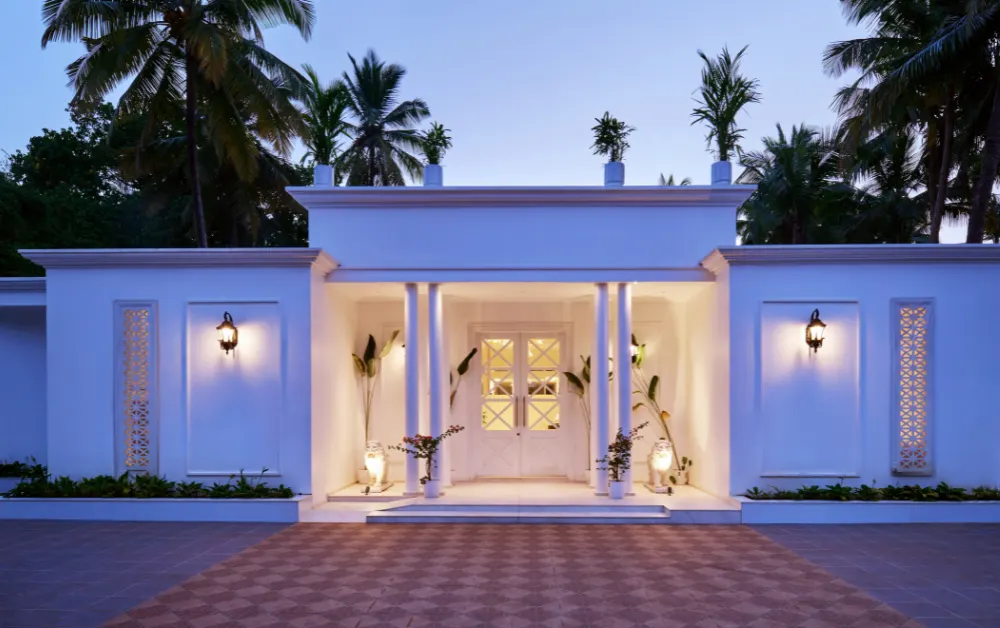
This philosophy is particularly relevant to destinations such as Villa Raag in South Goa.
Located within reach of Agonda and the quieter side of Goa’s coastline, Villa Raag reflects a growing recognition that luxury today is increasingly defined by privacy, calm, and authenticity of experience rather than spectacle.
The property’s appeal is not rooted in creating constant activity. Instead, it benefits from the qualities that have made South Goa attractive to discerning travellers for years: a slower pace, proximity to nature, architectural restraint, and distance from the intensity often associated with more commercial tourism hubs.
For guests interested in wellbeing, these characteristics are not incidental. They are often the foundation upon which meaningful rest is built.
A restorative experience rarely begins with a treatment, a programme, or an itinerary. It begins with an environment that allows the nervous system to slow down.
That is one reason destinations such as Agonda continue to resonate with travellers looking beyond conventional tourism experiences. The landscape itself encourages a different relationship with time.
The Real Value of Quiet Places
Tourism discussions often focus on what destinations offer visitors.
Perhaps a more important question is what they allow visitors to leave behind.
Places like Agonda provide an increasingly uncommon opportunity to step away from the demands of constant connectivity, perpetual productivity, and endless choice. Their value lies not only in their beauty but in their ability to create distance from the pressures that define much of modern life.
As Goa continues to evolve as a tourism destination, the recognition of Agonda Beach suggests that travellers—and increasingly the industry itself—are recognising the importance of preserving these quieter spaces.
In a world that grows louder every year, the most valuable destinations may ultimately be the ones that offer less noise, more stillness, and the freedom to simply be present.
Agonda’s latest award is a reminder that sometimes the greatest luxury in travel is not finding something new to do. It is finding a place where doing less feels entirely enough.
Website: www.villaraag.com
Call: +91-9555156156
Agonda Beach is known for its peaceful atmosphere, long stretch of coastline, and relatively low levels of commercial development. Unlike busier beach destinations, it offers visitors a quieter experience focused on nature, relaxation, and slower travel.
South Goa is generally known for its calmer beaches, lower visitor density, and more relaxed pace. Travellers often choose the region for its natural beauty, privacy, and opportunities to disconnect from crowded tourist areas.
Many travellers are looking for experiences that help them slow down and spend time away from constant noise, crowds, and digital distractions. Quieter destinations often provide a stronger sense of rest and connection with nature.
Agonda’s peaceful setting makes it attractive to travellers seeking rest, reflection, and time in nature. While a beach itself is not a wellness programme, the environment can support a more relaxed and restorative travel experience.
Villa Raag benefits from the qualities that make South Goa popular among discerning travellers: privacy, tranquillity, proximity to nature, and a slower pace of life. Its setting aligns with the growing preference for travel experiences centred on calm rather than constant activity.