



















Slow travel, digital detox travel, and quiet destinations are reshaping how people experience holidays
Travel used to be defined by constant activity and packed itineraries, where travellers tried to see more places, do more activities, and capture every moment.
However, this approach is changing in 2026 as more people begin to prefer simplicity over overload.
Today, many travellers are actively choosing less planning, fewer decisions, and reduced digital distractions during their journeys.
This shift is redefining how holidays are experienced, with a growing focus on rest, presence, and mental space.
The rise of slow travel
One of the strongest trends shaping this change is slow travel, which focuses on spending more time in fewer places rather than rushing through multiple destinations.
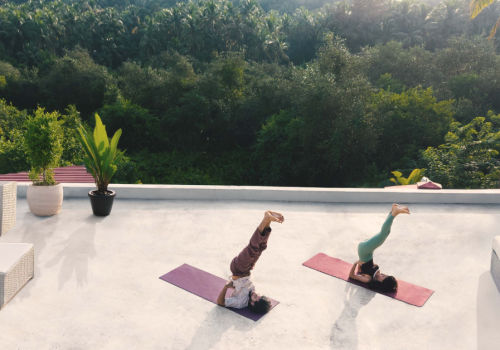
Slow travel allows people to settle into a location, observe their surroundings, and experience daily life at a calmer pace.
This approach has become more popular because modern life is already fast, and travellers no longer feel the need to make their holidays equally rushed.
Instead, they are choosing to move less and experience more meaning in fewer moments.
Growing interest in digital detox travel
Another important trend is digital detox travel, which reflects a desire to reduce constant connectivity during holidays.
Most travellers are not rejecting technology completely, but they are becoming more intentional about how and when they use it.
Many now prefer breaks from notifications, emails, and social media so they can fully experience their surroundings without interruption.
This creates space for more present and mindful travel experiences.
The appeal of quiet destinations
Quiet destinations are also becoming increasingly important in global travel patterns.
These are places where crowds are smaller, noise levels are lower, and the overall environment feels more relaxed.
They are not defined by the absence of activity, but by the absence of pressure to constantly do something.
This has led to a rise in mindful travel, where travellers focus more on awareness and simple experiences rather than structured plans.
What Agonda Beach represents
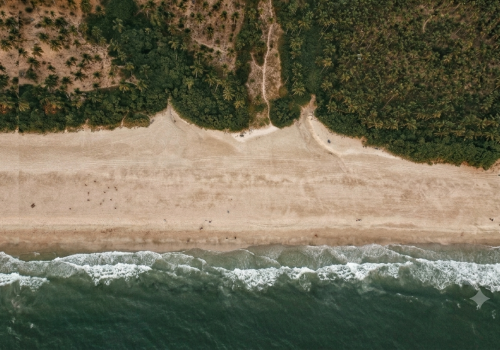
Agonda Beach in Goa reflects this shift in a clear and visible way.
It recently received recognition at the India Today Tourism Survey & Awards 2026 in the Beach Destination category, highlighting its growing importance as a calm coastal destination.
What makes Agonda significant is not only its recognition, but the experience it offers to travellers.
The beach is open, peaceful, and less commercialised compared to many other popular coastal destinations.
It allows visitors to slow down without feeling pressure to follow fixed schedules or crowded activity lists.
How Villa Raag fits into this shift
This movement toward slower travel is also influencing how people choose places to stay.
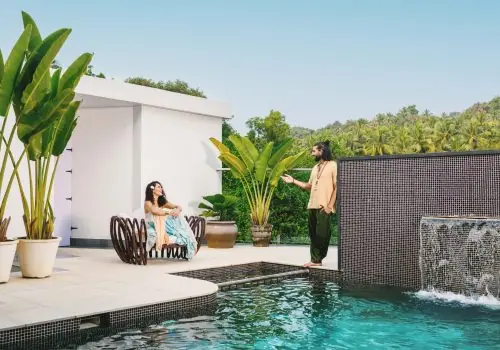
Villa Raag in South Goa reflects the same preference for calm and unhurried experiences.
It is located in a quieter part of Goa where nature, privacy, and slower rhythms define the environment.
Instead of focusing on constant activity, it supports rest, reflection, and unstructured time.
This aligns with the broader shift in travel where comfort is increasingly defined by space rather than stimulation.
The core shift in modern travel
The most important change in travel today is not about destinations, but about expectations.
Travellers are no longer looking to fill every moment of their trip with activities.
Instead, they are prioritising time without pressure, space without noise, and experiences without overload.
This is why slow travel is becoming one of the most important travel trends of 2026.
The future of travel
Travel is not becoming less meaningful, but it is becoming less crowded in both physical and mental terms.
It is moving toward quieter destinations, simpler plans, and more intentional experiences.
Agonda Beach represents this change through its natural calm and recognition as a leading beach destination.
Villa Raag reflects it through its focus on privacy and slower living environments.
Together, they highlight a broader global shift in travel behaviour.
The future of travel is not about doing more.
It is about doing less, more meaningfully.
Website: www.villaraag.com
Call: +91-9555156156
Slow travel is a way of travelling where you spend more time in fewer places. It focuses on calm experiences instead of rushing through many destinations.
Slow travel is growing because people want less stress during holidays. Many travellers now prefer fewer plans, more rest, and more time to enjoy each place.
Digital detox travel means taking a break from constant phone use, emails, and social media. It helps travellers disconnect from digital noise and enjoy their surroundings.
Quiet destinations are trending because travellers want peace and space. These places offer fewer crowds, less noise, and a more relaxed travel experience.
Agonda Beach reflects slow travel because it is peaceful, open, and less commercialised. It allows visitors to slow down and enjoy a calm environment without pressure.