































Why the 2026 Ashwagandha advisory matters
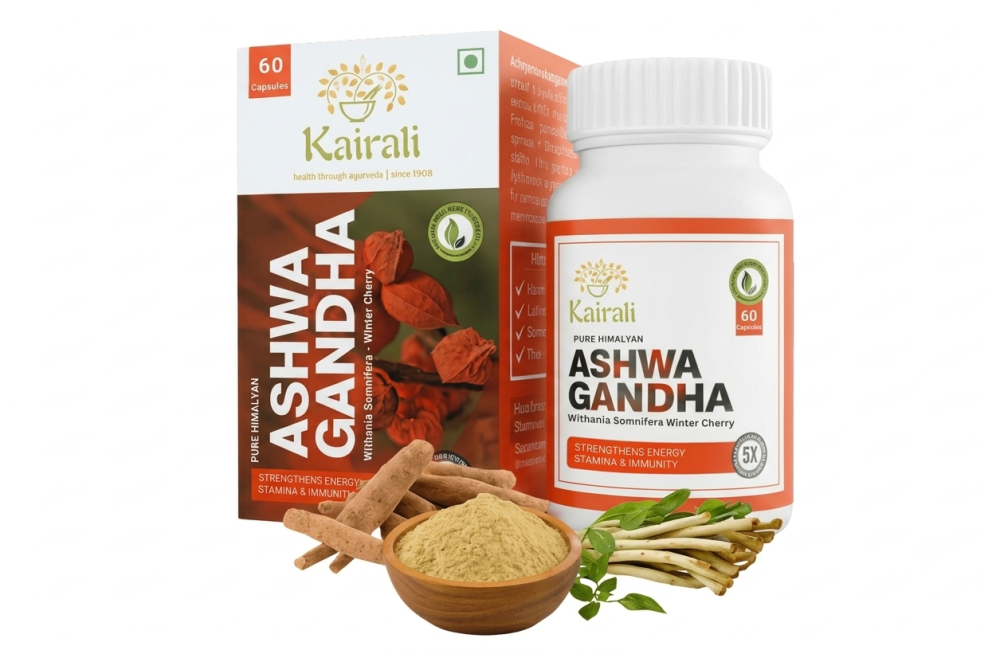
Ashwagandha (Withania somnifera) is widely used across Ayurveda-inspired foods, health supplements and nutraceutical products. For manufacturers, ingredient buyers, distributors and B2B partners, however, the commercial opportunity comes with a basic responsibility: knowing exactly which part of the plant is being used and whether the formulation complies with the applicable regulatory framework.
On 16 April 2026, the Food Safety and Standards Authority of India (FSSAI) issued an advisory specifically addressing the use of Ashwagandha leaves in food products. The clarification is important for businesses reviewing formulations, raw-material specifications and supplier documentation.
What FSSAI clarified
FSSAI’s advisory refers to the Food Safety and Standards (Health Supplements, Nutraceuticals, Food for Special Dietary Use, Food for Special Medical Purpose, Functional Food and Novel Food) Regulations, 2016.
According to the advisory, Schedule IV of these regulations permits only the roots and their extracts of Ashwagandha (Withania somnifera) in the relevant categories of products, subject to the prescribed limits.
FSSAI further clarified that Ashwagandha leaves — whether used in crude form, as an extract or in any other form — are not permitted under these regulations.
The advisory was issued after FSSAI noted that certain manufacturers were using Ashwagandha leaves or leaf extracts in products. Food Business Operators were advised to ensure strict compliance, with FSSAI stating that deviations may attract action under the Food Safety and Standards Act, 2006 and the regulations made under it.
The advisory also records that the Ministry of Ayush, through a letter dated 15 April 2026, directed Ayush drug/product manufacturers to use only Ashwagandha roots and their extracts, and not leaves in any form.
Why this matters beyond the ingredient list
For a manufacturer or B2B buyer, this is not simply a question of changing the wording on a label. Plant-part identification begins much earlier in the supply chain.
A responsible review should consider:
- the botanical identity of the raw material;
- the plant part specified in purchase and supplier documentation;
- whether the material is root or root extract;
- whether product formulations match the applicable regulatory category;
- whether specifications and supporting documents consistently identify the permitted plant part; and
- whether labels and product information accurately reflect the formulation.
A finished label cannot compensate for uncertainty at the raw-material or formulation stage.
What manufacturers should review
1. Raw-material specifications
Ashwagandha specifications should clearly identify Withania somnifera and the plant part supplied. Generic descriptions such as “Ashwagandha extract” should be examined against the underlying specification and supporting documentation so that the actual plant part is clear.
2. Supplier documentation
Manufacturers should ensure that purchase specifications, certificates and other relevant supplier documents are consistent with the material received and the intended product category.
Where documentation is ambiguous about the plant part, that ambiguity should be resolved before the ingredient enters production.
3. Existing formulations
Businesses with Ashwagandha-containing products should review their formulations against the regulatory category under which each product is manufactured and sold.
The April 2026 advisory is particularly relevant where leaves, leaf extracts, aerial parts or inadequately described Ashwagandha ingredients may have been used.
4. Labels and product information
The ingredient declaration and supporting product information should accurately correspond with the approved formulation and applicable requirements. Manufacturers should also ensure that marketing language does not create claims beyond those permitted for the relevant product category.
5. Procurement and change control
Ingredient compliance should not depend on a one-time review. If a supplier, extract, specification or formulation changes, the plant part and regulatory suitability should be checked again through the organisation’s normal quality and regulatory processes.
What B2B buyers should ask suppliers
Importers, distributors, private-label partners and institutional buyers can use the advisory as a practical prompt for stronger due diligence.
Before sourcing an Ashwagandha-containing product, useful questions include:
- Which part of Withania somnifera is used?
- Is the ingredient root, root powder or root extract?
- Is the plant part clearly stated in the raw-material specification?
- Under which regulatory category is the finished product manufactured?
- Do the formulation, specifications and label information agree with one another?
- Can the supplier provide the relevant compliance and quality documentation for review?
For B2B procurement, clear answers to these questions are more valuable than relying on front-of-pack terminology alone.
A compliance issue is also a supply-chain issue
The broader lesson from FSSAI’s Ashwagandha advisory is straightforward: regulatory compliance begins with ingredient identity and documentation, not at the final artwork stage.
For Ayurvedic and wellness manufacturers, this is an opportunity to strengthen the connection between traditional ingredient knowledge, modern quality systems and transparent B2B sourcing.
Businesses working with Ashwagandha should review the official FSSAI advisory dated 16 April 2026 alongside the regulations applicable to their specific product category and seek qualified regulatory guidance where interpretation is required.
For serious manufacturers and buyers, clarity on the plant part, formulation and documentation is not merely a regulatory exercise. It is part of building a more reliable and accountable Ayurvedic products industry.








Leave a Reply