



















How Villa Raag in Goa turns yoga, Ayurveda and thoughtful design into a quiet, efficient reset for serious travellers.
Why stillness needs a dedicated address
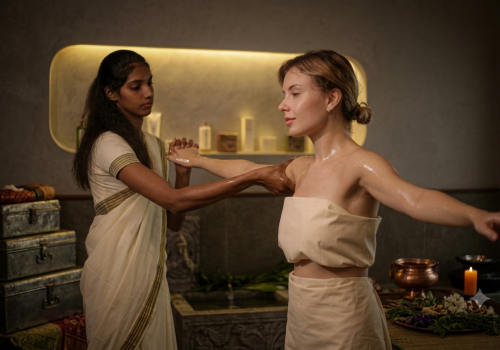
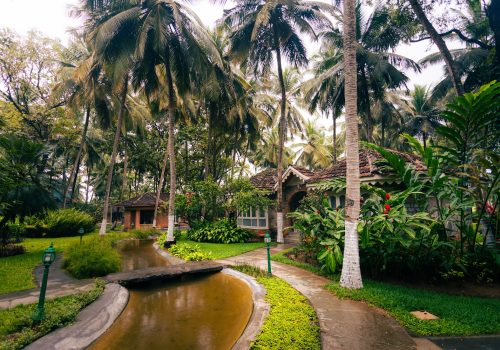
When guests arrive at Kairali Ayurvedic Healing Village in Palakkad, the first thing they usually register isn’t the architecture or the treatment menu. It’s the silence. Not a hollow, echoing kind of quiet, but something settled and lived‑in: birds calling to one another across the trees, footsteps on laterite paths, the soft clink of brass vessels in the treatment rooms. There’s a sense of order in the way these sounds appear and fade, and you can almost feel your own system starting to slow down in response.
That’s a very different experience from trying to hold a yoga pose in a city apartment while traffic hums under the window, a pressure cooker whistles three floors away, and the doorbell slices right through your exhale.
Villa Raag in Goa is built on the same principle: stillness deserves a clear address, and that address needs to be protected.
In my role overseeing operations and guest experience at Kairali, I see every single day how the environment either carries you into practice or keeps tugging you away from it. Villa Raag is meant for those who want the therapeutic depth of yoga, and who at the same time expect a certain standard of space, privacy and attentive service.
What makes a yoga day feel different at Villa Raag
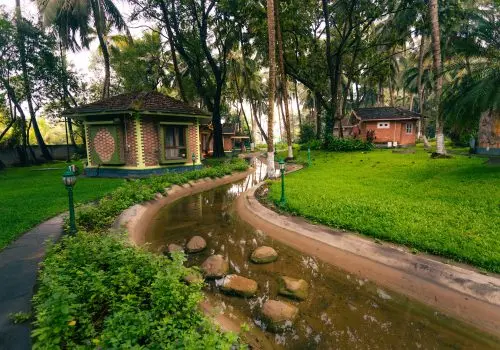
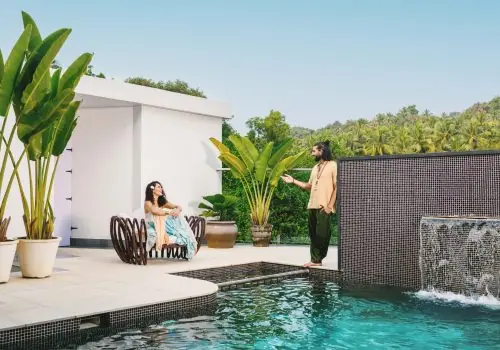
Villa Raag is not a sprawling resort with golf carts and loud pool games. It feels much closer to a private home that’s been quietly organised around wellness rather than entertainment or spectacle. Your day here follows a calm, repeatable rhythm instead of a crammed schedule full of “activities”.
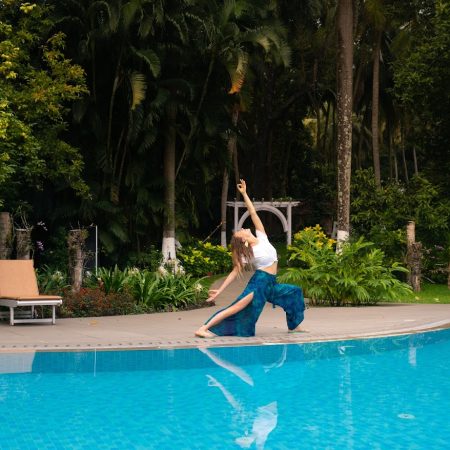
A morning that belongs to your body
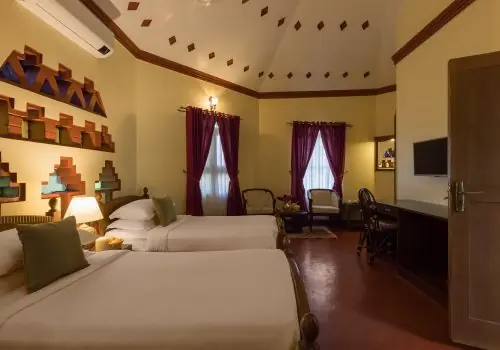
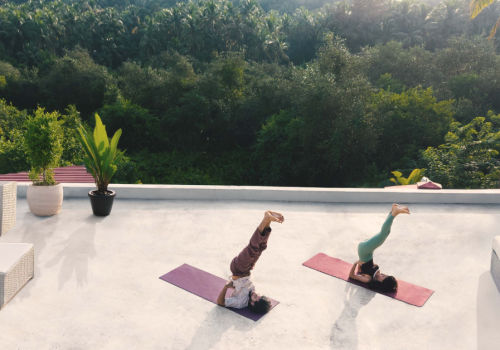
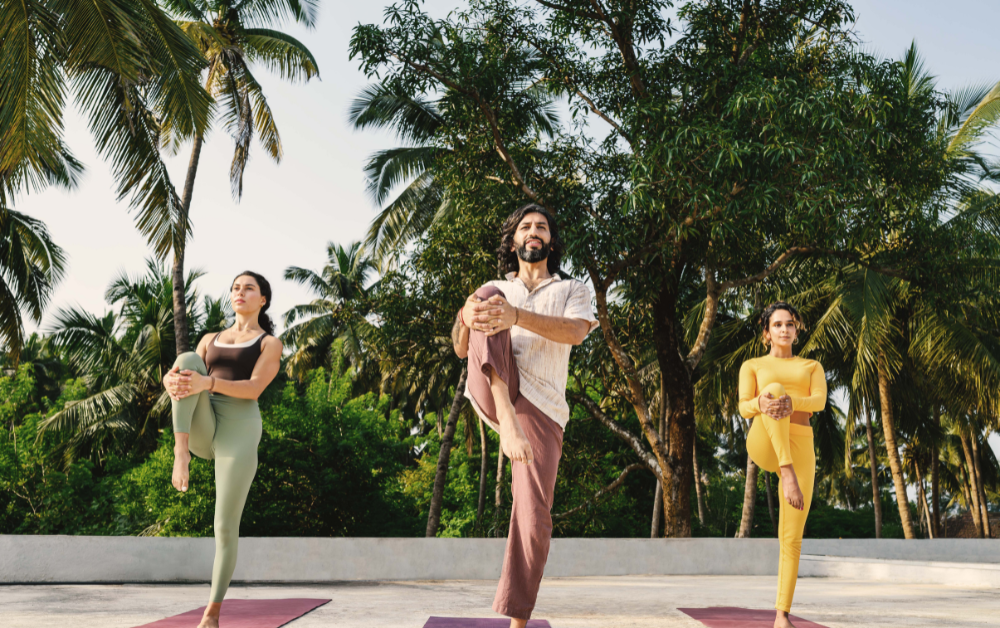
You wake up to filtered coastal light rather than harsh ceiling lamps. The curtains move slightly with the early sea breeze and the sound outside is low and green, not metallic and rushed. The first yoga session happens in a quiet, open area where the rustle of palm leaves and the sound of your own breathing are clearer than any ringtone or alert.
Our teachers stay rooted in classical asanas and breathwork, but there’s no rigid insistence on a fixed intensity level. A pattern we often see: corporate guests arrive on Day 1 asking for very vigorous, sweat‑heavy classes, almost like they’re trying to squeeze value out of every minute. By Day 3, their shoulders have dropped, their faces have softened a little, and they’re visibly relieved when the emphasis shifts to slower, alignment‑oriented practice that lets the nervous system release its grip.
At Kairali, our physicians often remind guests that “more” is not automatically “better” for the body. In practice, the body responds most steadily to consistent, moderate input instead of dramatic highs and lows. That same thinking shapes how the yoga schedules at Villa Raag are designed and adjusted through a stay.
Work, then step away from it
Many guests at Villa Raag still carry significant decision‑making responsibilities while they’re here. They may need to glance at a contract, join a key call across time zones, or respond to a small but important set of messages. The property accepts that reality instead of pretending everyone can vanish offline for a week.
So there are clearly marked, work‑friendly corners with good Wi‑Fi and comfortable seating, and they’re intentionally separated from the yoga deck and dining areas so that mental noise doesn’t leak everywhere.
One CIO who spent a few days with us in Palakkad said he did more real strategic thinking with three uninterrupted mornings, a pen and a notebook than he’d managed in several calendar‑packed weeks at the office. We hear similar comments often when guests combine reliable connectivity with firm personal rules on when the phone is allowed out and when it’s kept away.
Villa Raag is organised so you can address what genuinely cannot wait, without letting notifications script your entire stay.
Luxury here is in what you don’t have to think about
From an operations standpoint, the most meaningful form of luxury in a wellness setting is predictability. When you lie down in Shavasana, your mind shouldn’t be half‑occupied with whether your airport transfer is confirmed, if lunch will show up late, or whether housekeeping will knock in the middle of a nap.
At Villa Raag, that shows up through small, consistent systems:
– Fewer rooms, more attention – The team knows your schedule, your preferred tea, when you like housekeeping to come by, and whether you prefer extra pillows. You’re not stuck repeating the same request day after day.
– Consistent food quality – Menus align with Ayurvedic ideas about timing and combinations, yet they still feel current and connected to Goa’s local produce, spices and coastal flavours.
– Housekeeping that respects retreat space – Rooms are refreshed while you’re in sessions, lights and linens are adjusted without fuss, and shared spaces stay quietly orderly instead of feeling like busy hotel corridors.
At Kairali, we’ve learnt that very small disruptions—a burst of loud conversation carrying down a passage, a herbal decoction arriving ten minutes late—can snap the cocoon that guests come here to experience. Those operational details, which are almost invisible when they’re working smoothly, shape how Villa Raag is run from early morning to lights‑out.
For whom does Villa Raag work best?
Looking across our properties and the guest profiles we host, Villa Raag tends to work especially well for a few groups.
– Senior professionals who want to step away long enough to think clearly, reset sleep and stress levels, and do this without giving up comfort, discretion or a sense of control.
– Women holding multiple roles—professional, caregiver, partner, organiser of family logistics—who need a setting where someone else quietly holds the structure of the day so they can simply follow a considered plan.
– Indian‑origin travellers returning from abroad who are seeking authentic yoga but want that held in a space that feels aligned with international design and service expectations.
If your preferred time off revolves around crowded pools, loud music, late‑night noise and a packed social calendar, this villa is likely to feel too still and contained. But if you’re at a stage where you value unhurried mornings, thoughtful food, and steady time with trained therapists and teachers, Villa Raag generally feels like a good, almost obvious, fit.
How to make the most of a short stay
Even three or four nights at Villa Raag can influence what your days look like back home, provided you arrive with some clarity and a light structure instead of treating it as a vague escape.
1. Name your primary intention before you arrive – Better sleep, less back pain, a calmer mind, or pure rest. Pick one, write it down, and share it with the team so your sessions don’t end up generic.
2. Set one clear phone boundary – For example, messages and email only after breakfast and after evening yoga. Let colleagues and family know this in advance so you’re not negotiating it on the fly.
3. Stay with the food plan – Our kitchen team will prepare meals in portions and at timings tailored to your preferences during your stay. Trust the rhythm of the plan and enjoy a few days away from rushed coffees, skipped meals, and late-night dining.
4. Choose one practice to carry home – A 15‑minute set of asanas, a breathing practice, or a simple night routine suggested by the experts. Commit to trying it at home for at least two weeks before you judge its impact.
At Kairali, guests who do this—especially those who adopt even a small slice of their retreat routine into daily life—tend to report the most sustainable, long‑term shifts. Villa Raag has been planned with that continuity in mind, rather than as a one‑off experience you leave behind at the hotel gate.
A villa built for stillness, not display
Many wellness spaces now are assembled with the camera in mind—statement walls, dramatic installations, dedicated photo corners that look impressive in a feed. Villa Raag has a quieter brief: it should feel right at 6 a.m. when you’re half‑awake and stepping onto the mat, and at 8 p.m. when your muscles are pleasantly heavy after a yoga session and you’re moving more slowly.
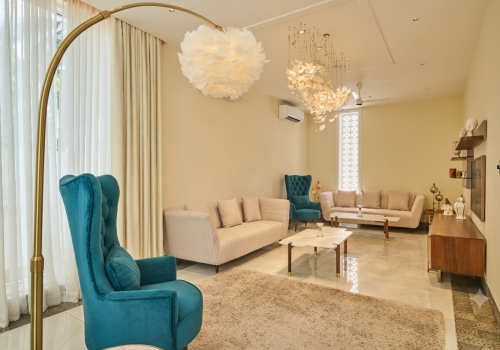
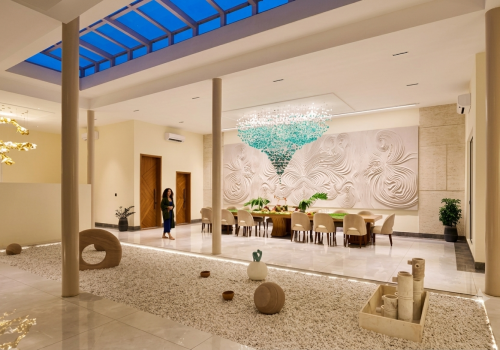
Materials are mostly natural to the touch; the colour palette remains soft, earthy and grounded rather than theatrical. The way you move between private rooms, semi‑private verandas and shared practice areas is planned so you can shift from solitude to gentle company without jarring changes in light, noise or temperature.
Walking the property from an operational lens, I often feel the design is already doing half the work for the team. When the space quietly guides people into calmer behaviour, there’s much less need for constant signage, announcements or correction.
You come here not to be dazzled or overstimulated, but to remember what it’s like when your day has a clear beginning, a clear winding down, and enough soft space in between for your system to grow quiet again.
If that’s the kind of wealth you’re interested in building—measured in clarity, steadiness and rest rather than in noise, novelty and spectacle—then Villa Raag in Goa is a thoughtful place to start.
Website: www.villaraag.com
Call: +91-9555156156