






























The arrival of the monsoon is often welcomed as relief from intense summer heat. Yet, while many people modify their wardrobe or diet for the rainy season, far fewer rethink their skincare routine. This oversight can have noticeable consequences. Increased humidity, intermittent rainfall, environmental pollutants, and fluctuating temperatures create conditions that challenge the skin’s natural protective barrier in ways that are often underestimated.
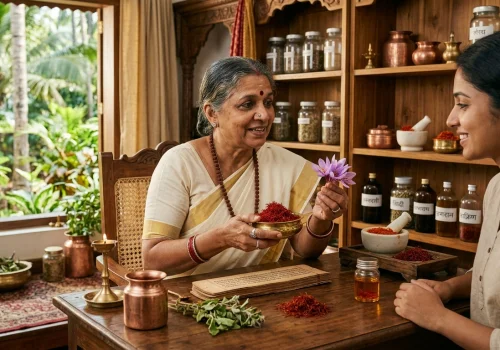
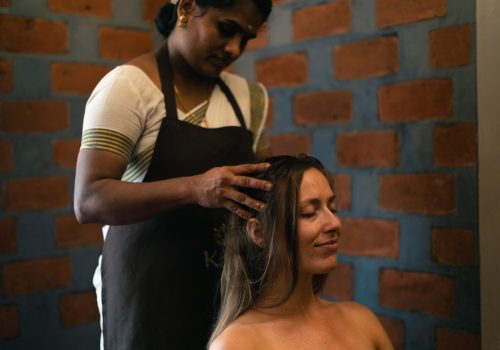
At Kairali – The Ayurvedic Healing Village, the physician team encourages patients to view skincare not as a year-round routine but as one that should adapt to seasonal changes. Ayurveda has long recognised that the body responds differently to each season, and the skin—our largest organ—is no exception.
Why the Monsoon Affects Skin Differently
Humidity is often mistaken for hydration. While the air contains more moisture during the rainy season, the skin’s barrier can still become compromised. Sweat mixes with sebum, environmental pollutants, and microorganisms on the skin’s surface, increasing the likelihood of clogged pores, irritation, and acne flare-ups in susceptible individuals.
At the same time, some people experience unexpected dryness. Frequent exposure to air-conditioned environments, repeated face washing, and the use of harsh cleansers can strip away the skin’s protective lipids, leaving it more vulnerable to irritation.
From an Ayurvedic perspective, seasonal changes influence physiological balance. During the monsoon, digestive strength (Agni) is traditionally considered less robust, while damp weather may contribute to internal imbalance that can also be reflected in the skin. Although modern dermatology and Ayurveda describe these processes differently, both recognise that seasonal conditions influence skin health and daily care requirements.
The Mistake Most People Make
Many people continue following the same skincare routine they used during the summer.
Heavy creams may become occlusive in humid weather. Conversely, repeatedly washing the face to control oiliness may disrupt the skin barrier, encouraging even greater oil production.
Ayurveda instead recommends adapting daily routines (Ritucharya), recognising that practices beneficial in one season may not remain appropriate in another.
Rather than treating symptoms as they appear, the emphasis is on maintaining balance through consistent daily habits.
A Morning Routine That Supports Seasonal Balance
Begin with Gentle Cleansing
Morning cleansing removes sweat, excess oil, and environmental debris that accumulate overnight.
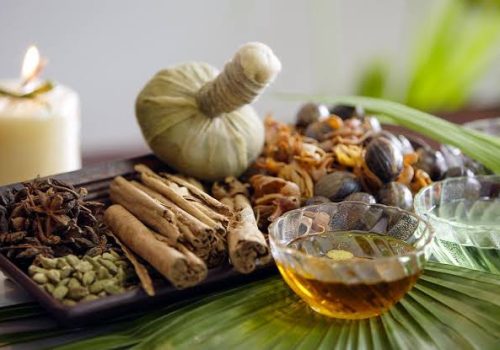
Ayurvedic skincare traditionally incorporates botanicals such as neem, turmeric, sandalwood, and vetiver, selected according to individual skin characteristics. The goal is effective cleansing without unnecessarily stripping the skin of its natural protective oils.
Hydrate Without Overloading the Skin
Humidity often creates the impression that moisturisers are unnecessary. In reality, maintaining skin barrier function remains important throughout the year.
Choosing lightweight formulations appropriate for individual skin type may help support hydration without contributing to congestion.
Sun Protection Still Matters
Cloud cover reduces visible sunlight but does not eliminate ultraviolet radiation. Daily sunscreen remains an essential part of healthy skincare throughout the monsoon, particularly for individuals spending extended periods outdoors.
Throughout the Day: Less Is Often More
One of the most common responses to oily skin is frequent washing.
However, repeated cleansing may disrupt the skin’s natural barrier and lead to further irritation.
Instead, gently removing excess oil with clean tissues, maintaining adequate hydration, and avoiding unnecessary touching of the face may help minimise irritation during humid weather.
For individuals who wear makeup, lighter formulations are generally more comfortable during the rainy season and may reduce the likelihood of clogged pores.
Evening: Restore Rather Than Strip
The evening skincare routine should focus on removing pollutants, sunscreen, and accumulated oil while allowing the skin to recover overnight.
Double cleansing may be appropriate for those using makeup or water-resistant sunscreen, provided products are suited to the individual’s skin type.
Ayurveda has traditionally incorporated herbal preparations prepared with ingredients such as chickpea flour, sandalwood, turmeric, or Fuller’s earth (Multani Mitti) for periodic cleansing. These preparations should be selected carefully according to skin type rather than used indiscriminately.
Overuse—even of natural ingredients—may compromise the skin barrier.
Skin Health Begins Beyond the Skin
One of Ayurveda’s distinguishing features is its recognition that skin reflects broader aspects of health rather than existing in isolation.
Seasonal eating patterns therefore receive considerable attention.
During the monsoon, freshly prepared warm meals are traditionally preferred over refrigerated or heavily processed foods. Adequate hydration remains important even when thirst appears reduced. Excessively fried foods and refined sugars may contribute to inflammatory processes that affect overall wellbeing, although individual responses vary.
Sleep also plays an important role.
Research increasingly supports the relationship between sleep quality and skin barrier repair. While Ayurveda has long emphasised restorative sleep as part of daily health maintenance, modern dermatology similarly recognises its importance for skin recovery.
Choosing Ayurvedic Skincare Wisely
Interest in Ayurvedic skincare has grown significantly in recent years, but “natural” should never be confused with universally suitable.
Different herbs possess different properties, and what benefits one individual may not suit another.
At Kairali – The Ayurvedic Healing Village, skincare recommendations are individualised after considering constitution (Prakriti), current imbalance (Vikriti), lifestyle, environment, and existing skin concerns. This personalised approach reflects a core principle of Ayurveda rather than a one-size-fits-all skincare philosophy.
Individuals with persistent acne, recurrent fungal infections, eczema, unexplained rashes, or rapidly changing skin lesions should seek assessment from a qualified dermatologist or an appropriately trained Ayurvedic physician rather than relying solely on home remedies.
The Seasonal Wisdom Behind Healthy Skin
One of Ayurveda’s enduring insights is that health is dynamic rather than static. Just as clothing, food, and daily routines naturally change with the seasons, skincare benefits from similar adaptation.
The monsoon is not inherently harmful to the skin. Problems often arise because routines remain unchanged despite significant environmental shifts.
Gentle cleansing, appropriate hydration, seasonal dietary awareness, adequate sleep, and personalised skincare practices together offer a more sustainable approach than repeatedly switching between trending products.
For many people, healthy skin during the rainy season is less about adding new products and more about recognising that the environment has changed—and allowing daily habits to change with it.
Website : www.ktahv.com
Call: +91-9555156156
High humidity can increase sweat and sebum on the skin’s surface. When combined with dirt and pollution, this may clog pores and contribute to breakouts. Gentle cleansing and lightweight skincare products are often more suitable during this season.
Yes. Oily skin still needs hydration. A lightweight, non-comedogenic moisturiser can help support the skin barrier without leaving the skin feeling greasy.
Traditional Ayurvedic skincare often includes ingredients such as neem, turmeric, sandalwood, vetiver, and chickpea flour. Their suitability depends on an individual’s skin type and current skin concerns, so personalised advice is recommended.
Yes. Ayurveda recommends adapting daily routines to seasonal changes through Ritucharya (seasonal regimen). During the monsoon, this may include adjusting skincare practices, food choices, and lifestyle habits to support overall wellbeing.