
















Every July, the same pattern repeats itself.
Hotels advertise Karkidaka packages. Social media fills with recipes for Karkidaka Kanji. Wellness travellers begin searching for “the best Ayurvedic treatment in Kerala.” This year is no different, with renewed media attention on why the monsoon months remain closely associated with Ayurveda.
Yet somewhere along the way, Karkidakam has become simplified into a seasonal wellness event—a month when people come to Kerala for a cleanse before returning to normal life.
Ayurveda has always viewed it differently.
Karkidakam is not about squeezing a year’s worth of health into a two-week programme. It is about responding to one of the most significant seasonal transitions in the year, when the body itself behaves differently.
That distinction matters because it changes how we understand everything from Panchakarma to the idea of preventive healthcare.
Why the Monsoon Changes the Conversation
Seasonality sits at the heart of Ayurveda.
Long before weather apps and circadian health became fashionable topics, Ayurvedic physicians recognised that the body responds differently as seasons change. Digestion fluctuates. Appetite changes. Energy levels shift. The same food, routine or therapy that suits one season may not suit another.
The Kerala monsoon has always been regarded as one of those transition periods.
For generations, families adjusted their diet, daily routines and healthcare during Karkidakam. Those traditions continue today, but they exist within a much larger medical framework known as Ritucharya—Ayurveda’s science of seasonal living.
Karkidakam is therefore not a festival of treatment. It is an example of preventive medicine adapting to climate.
More Than a “Detox”
Perhaps no word has done more to confuse Karkidakam than “detox.”
It appears in travel brochures, wellness advertisements and social media posts with remarkable consistency. But it isn’t how Ayurveda traditionally explains the season.
Panchakarma is not a monsoon ritual that everyone should undergo once a year. It is a physician-led therapeutic process that depends on an individual’s constitution, health status and clinical assessment.
For one person, seasonal care may involve restorative therapies. For another, dietary changes may be more appropriate. Someone else may not require Panchakarma at all.
The season creates an opportunity.
It does not prescribe the treatment.
Why Kerala Remains Different
This is also why Kerala continues to occupy a unique place in global Ayurveda.
Visitors are not simply coming for massages or herbal oils. They are entering one of the few places where Ayurveda still functions as a living healthcare system—supported by physicians, hospitals, pharmacies, educational institutions and communities where these traditions remain part of everyday life.
That ecosystem shapes the experience.
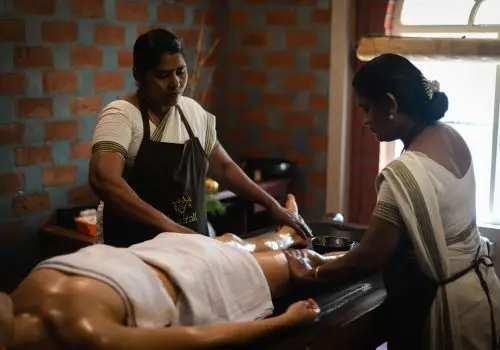
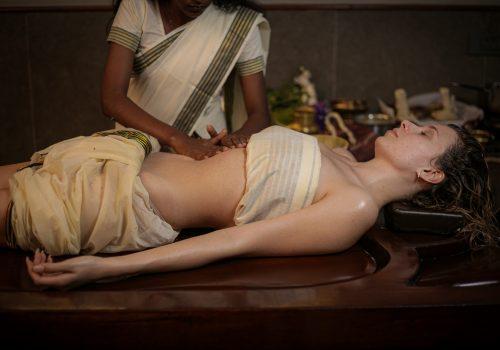
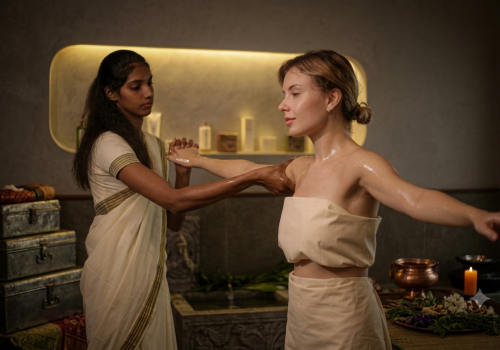
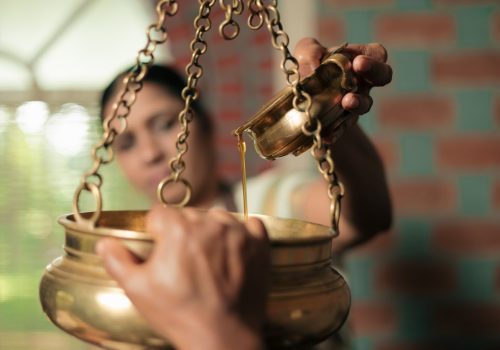
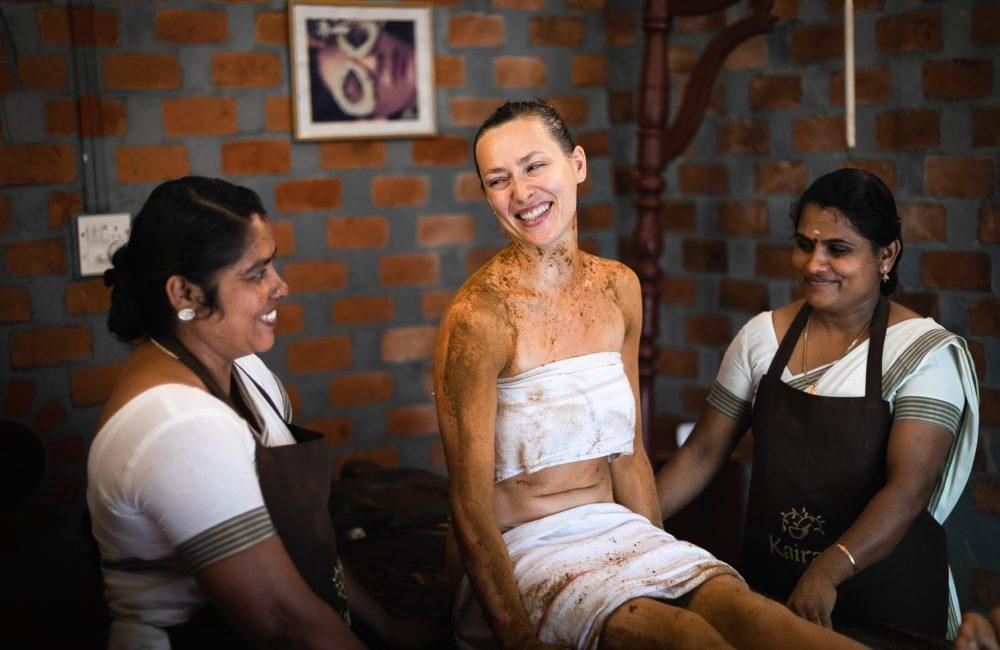
Treatments are linked to consultation. Diet accompanies therapy. Daily routine becomes part of care. Progress is observed rather than assumed.
It is a model that is difficult to recreate when Ayurveda is reduced to a menu of spa treatments.
Karkidakam Through Kairali’s Lens
At Kairali, the monsoon is approached in exactly this way.
Rather than treating Karkidakam as a seasonal promotion, physician teams begin with a simple question: What does this individual need at this point in the year?
The answer differs for every guest.
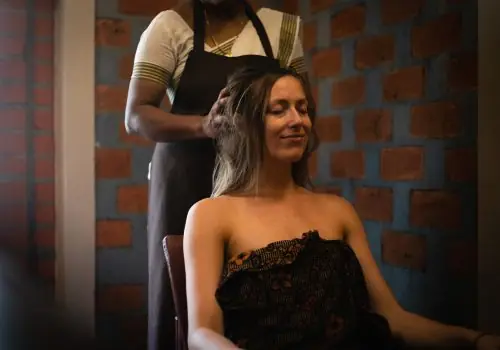
Some may benefit from structured Panchakarma under supervision. Others require restorative therapies, nutritional guidance or changes to daily routine. The season provides context, but the treatment remains individual.
That principle reflects one of Ayurveda’s oldest ideas—that healthcare should adapt to the person as much as to the calendar.
Looking Beyond One Month
The renewed interest in Karkidakam is encouraging because it introduces more people to Ayurveda.
But its real significance lies beyond seasonal packages or annual traditions.
It reminds us that health is not static. It changes with climate, routine, age and environment. Ayurveda recognised this long before seasonal wellness became fashionable, and Karkidakam remains one of its clearest annual expressions.
Perhaps that is why the monsoon continues to draw people to Kerala—not simply for treatment, but to experience an approach to health that has always taken the seasons seriously.
For those considering experiencing Karkidakam in Kerala this year, Kairali has introduced a seasonal offer on its physician-led long-stay Ayurvedic programmes. Guests booking seven nights or longer on eligible Panchakarma and Complete Rejuvenation & Detoxification Therapy programmes can receive up to 20% savings during the Karkidakam season. The offer reflects the fact that classical Ayurvedic therapies are designed to unfold over time, with consultation, treatment and follow-up forming part of a structured programme rather than a single wellness session.
Avail this offer now at +91-9555156156 or visit us at www.ktahv.com
In Ayurveda, Karkidakam coincides with the monsoon season, when climatic conditions are traditionally considered favourable for certain physician-supervised therapies. It is also a time when many people adopt seasonal dietary and lifestyle practices described under Ritucharya, Ayurveda’s approach to seasonal living.
No. Panchakarma is an individualised therapeutic programme, not a seasonal ritual for everyone. A qualified Ayurvedic physician determines whether Panchakarma is appropriate based on a person’s constitution, current health status and treatment goals.
Karkidakam programmes are rooted in Ayurveda’s seasonal principles and typically begin with a physician consultation. Treatments, diet and daily routines are personalised rather than following a one-size-fits-all wellness itinerary.