


















A recent Luxury Lifestyle Magazine review of Villa Raag in Agonda offers a useful reminder: in wellness hospitality, what is left out of a space can matter as much as what is added.
Wellness hotels have accumulated a familiar vocabulary. Treatment menus grow longer. Activity schedules become denser. Spaces acquire more objects intended to signal calm.
Villa Raag, Kairali Ayurvedic Group’s property in Goa, takes a noticeably different position.
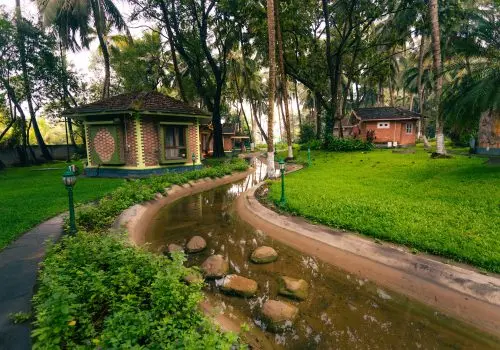
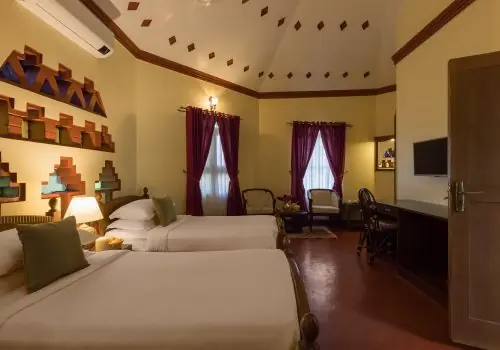
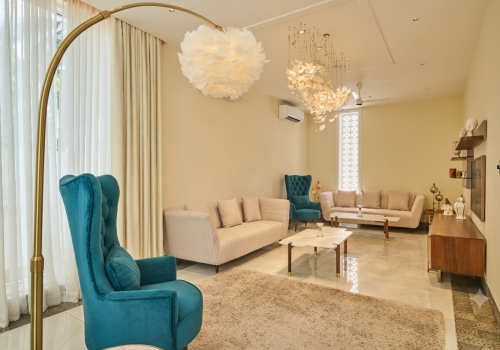
A recent review in Luxury Lifestyle Magazine describes the Agonda property as a “quiet, minimalist space”, highlighting its yoga, food and easy access to the beach. It is a short description, but one that captures an important part of the thinking behind the property: Villa Raag does not depend upon visual excess to establish a sense of luxury.
Its design begins with restraint.
That matters because the physical environment of a wellness stay is not merely a backdrop to whatever happens on the treatment table or yoga mat. From the moment a guest enters a property, architecture determines how much visual information they are processing, how they move through the day, where they naturally slow down and whether there is room to be alone without feeling isolated.
Villa Raag’s design-led approach starts there.
The difference between decorating for wellness and designing for it
There is now a recognisable aesthetic attached to the global wellness industry: pale woods, neutral fabrics, carefully arranged plants and spaces designed to photograph as calm.
None of those elements is inherently problematic. But a wellness environment cannot be reduced to its visual language.
A space becomes useful when its design influences how it is actually inhabited.
Minimalism, at its best, is therefore not an absence of character. It is a decision about attention. Fewer competing visual elements can allow the materials, proportions, natural surroundings and pace of a property to become more apparent.
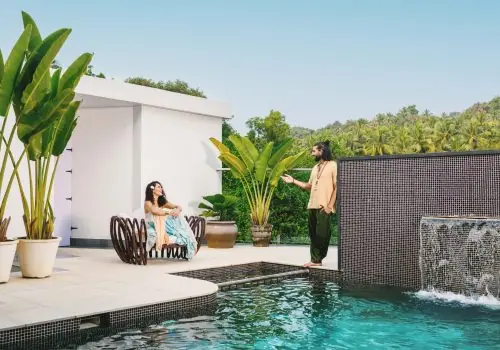
At Villa Raag, this idea is particularly relevant because the hotel is situated in Agonda, South Goa, where the surrounding landscape already provides much of what an architect or interior designer might otherwise attempt to manufacture: light, vegetation, open air and proximity to the Arabian Sea.
The sensible response is not to compete with that setting.
It is to give it room.
A quieter interpretation of Goa
Goa carries several identities simultaneously.
For some travellers it means nightlife and crowded beaches. For others it is associated with long-stay travel, yoga, food, coastal villages and a much slower daily rhythm.
Agonda belongs more naturally to the latter interpretation.
Positioning a wellness property here therefore creates an interesting design challenge. A hotel could attempt to insulate guests from its surroundings and become a self-contained destination. Or it could allow the destination itself to remain present.
Villa Raag leans towards the second approach.
The proximity to the beach noted in the Luxury Lifestyle Magazine review is significant for precisely this reason. The property does not need to reproduce every possible experience inside its boundaries. Guests can move between the hotel and Agonda rather than being asked to remain within a constructed wellness environment from morning until evening.
This makes the experience feel less programmed.
And increasingly, that may be one of the more valuable forms of luxury.
Wellness does not always require more programming
Modern wellness travel has become remarkably ambitious.
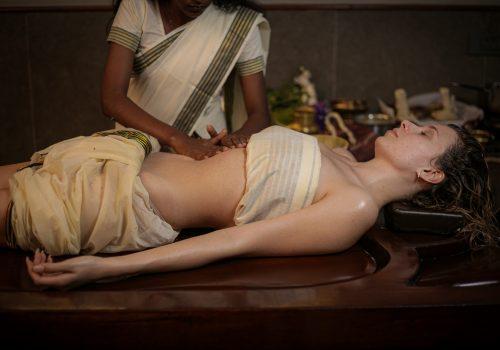
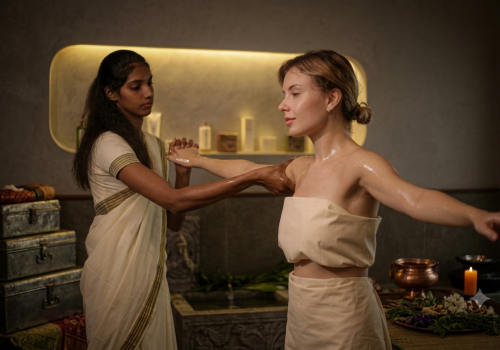
It can involve diagnostics, intensive retreat schedules, nutritional protocols, fitness programmes, treatments, classes and a growing range of technologies. There are contexts in which that level of structure is entirely appropriate, particularly where a guest has travelled specifically for practitioner-led care.
But not every wellness stay needs to behave like a programme.
Sometimes the useful intervention is simply a change in pace.
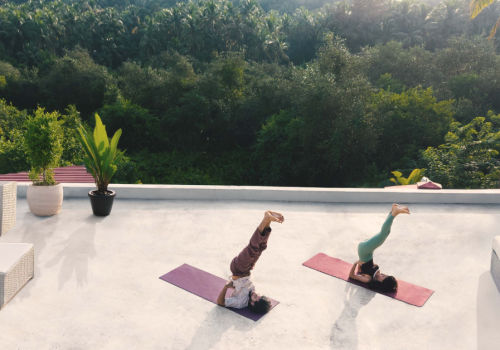
A morning yoga session. Time to eat without rushing. A walk to the beach. An afternoon that has not already been divided into appointments.
The elements highlighted in the Villa Raag review are relatively simple, and that simplicity is instructive. They suggest a model of hospitality in which wellness can emerge partly from how a day is structured rather than from how many wellness services have been fitted into it.
This is distinct from making medical claims about what a holiday can accomplish. A quiet hotel cannot promise to resolve stress, improve a medical condition or produce a particular health outcome.
What thoughtful hospitality can do is create circumstances that make rest and attention easier.
There is value in keeping that distinction clear.
Design as infrastructure rather than decoration
Kairali Ayurvedic Group is better known in the wellness sector for Ayurveda, including its NABH-accredited Ayurvedic hospital in Kerala. Villa Raag occupies a different place within the group.
It is not necessary for every Kairali property to reproduce the same model.
In Goa, the opportunity is to explore the relationship between hospitality, environment and wellbeing through a lighter framework. Yoga and food can be present without turning the property into a clinical retreat. Design can reference Kairali’s broader understanding of wellness without attempting to make the hotel an extension of a hospital.
Seen this way, Villa Raag’s minimalist character is not simply a stylistic choice.
It is infrastructure.
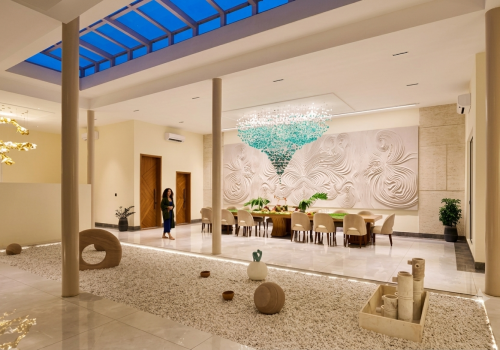
The architecture and interiors establish the pace in which the rest of the experience occurs. They create spaces where guests can gather and others where they can withdraw. They determine whether a property feels visually demanding or quietly legible.
Good wellness design often works precisely because the guest stops noticing how much work it is doing.
Independent recognition matters
There is another reason the Luxury Lifestyle Magazine review is worth noting.
Hotels naturally describe their own design in flattering terms. Independent travel journalism provides a more useful test: what does an outside observer notice without being instructed to notice it?
In Villa Raag’s case, minimalism and quietness were prominent enough to become part of the reviewer’s summary of the property.
That is meaningful.
It suggests that Villa Raag’s design identity is not confined to a brand statement or architectural brief. It is apparent in the guest experience itself.
For a relatively new name competing for attention in a crowded Goa hospitality market, that distinction matters more than adding another list of amenities.
Luxury with less noise
Perhaps the more interesting question raised by Villa Raag is what travellers now want luxury to feel like.
For decades, luxury hospitality often demonstrated value through abundance: more space, more service, more dining choices, more activities and increasingly elaborate interiors.
There is another interpretation emerging alongside it.
Luxury can also mean having fewer demands placed upon your attention.
Space that does not insist on being admired. A day that does not require optimisation. Food that belongs naturally within the experience rather than announcing itself as a wellness intervention. The option to practise yoga and then simply go to the beach.
Villa Raag’s appearance in Luxury Lifestyle Magazine is useful recognition for the property. More importantly, the way the magazine describes it validates the idea behind the design.
The strongest impression is not one of accumulation.
It is of enough: enough design to create character, enough structure to support the day and enough restraint to let Agonda do the rest.
For contemporary wellness hospitality, that may be a more sophisticated proposition than simply offering more.
Read More: https://www.luxurylifestylemag.co.uk/travel/hotel-review-villa-raag-agonda-in-goa/
Website: www.villaraag.com
Call: +91-9555156156






Leave a Reply