































The monsoon is more than a change in weather. In Ayurveda, it is a seasonal transition that calls for thoughtful adjustments in diet, daily routines, and therapeutic care. Here’s how Kairali – The Ayurvedic Healing Village approaches this time of year.
The arrival of the monsoon transforms Kerala into one of India’s most beautiful landscapes. The rains cool the air, replenish rivers, and revive forests after months of summer heat. Yet, alongside this renewal comes a seasonal shift that many people experience physically. Digestive discomfort, skin irritation, fatigue, respiratory complaints, and recurrent seasonal infections often become more common during this period.
Modern medicine explains many of these changes through environmental factors such as humidity, microbial growth, water contamination, and changing eating habits. Ayurveda offers another perspective by viewing the monsoon as a season that temporarily alters the body’s physiological balance and digestive capacity.
At Kairali – The Ayurvedic Healing Village, a NABH-accredited Ayurvedic hospital in Kerala, seasonal care is not built around a single herb or wellness trend. Instead, physicians adapt dietary guidance, therapies, herbal formulations, and daily routines according to each guest’s constitution, health status, and the unique demands of the rainy season.
Why the Monsoon Receives Special Attention in Ayurveda
Classical Ayurvedic texts describe the year as a cycle of seasonal changes that influence the body’s internal balance. Rather than treating every month the same, Ayurveda encourages adjusting one’s lifestyle according to the environment.
During the rainy season, digestive strength (Agni) is traditionally understood to become less robust. Foods that are otherwise well tolerated may feel heavier, while excessive dampness and fluctuating temperatures can influence overall wellbeing.
This seasonal perspective explains why Ayurvedic recommendations during the monsoon often emphasise freshly prepared meals, warm foods, regular routines, and attention to digestive health instead of relying solely on supplements or herbal products.
At Kairali, these principles are incorporated into physician-guided wellness programmes that consider both classical Ayurvedic assessment and each individual’s health goals.
Seasonal Herbs Have a Role—But They Are Only One Part of the Picture
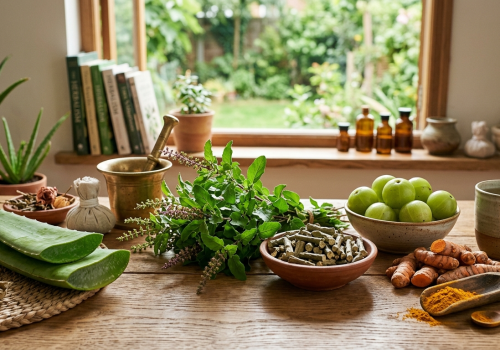
Media articles frequently highlight herbs such as neem, aloe vera, tulsi, turmeric, ginger, and amla as essential monsoon ingredients. These plants have all been used in Ayurvedic practice for centuries and continue to be valued today.
However, experienced Ayurvedic physicians rarely recommend herbs in isolation.
Neem
Neem has traditionally been used in Ayurvedic skincare and hygiene practices, particularly during humid weather when maintaining healthy skin becomes increasingly important. Its leaves, oils, and topical preparations remain familiar components of traditional seasonal care.
Aloe Vera
Although often associated with summer skincare, aloe vera also appears in traditional Ayurvedic practice as a plant valued for its cooling properties. Whether it is appropriate for an individual depends on constitution, preparation, and clinical context.
Tulsi
Tulsi continues to be one of India’s most recognised household herbs. Warm tulsi infusions are commonly enjoyed during seasonal transitions, and the plant occupies an important place in traditional Ayurvedic practice because of its broad historical use.
Ginger
Fresh ginger is frequently incorporated into monsoon cooking. Ayurveda traditionally associates the rainy season with reduced digestive efficiency, making warm, freshly prepared meals an important part of seasonal living.
Turmeric
Rather than being viewed as a “superfood,” turmeric has historically been used as an everyday culinary ingredient that complements a balanced diet. Its significance lies not only in its phytochemicals but also in its regular incorporation into daily meals.
Amla
Amla has long been regarded as one of Ayurveda’s important Rasayana ingredients and appears in several classical formulations. It represents Ayurveda’s emphasis on long-term nourishment rather than quick nutritional solutions.
Beyond Herbs: How Seasonal Ayurveda Is Practised at Kairali
One of the most common misconceptions about Ayurveda is that it consists primarily of herbal remedies. In reality, herbs represent only one part of a much broader therapeutic framework.
At Kairali – The Ayurvedic Healing Village, physician consultations during the monsoon typically consider multiple factors before recommending any programme.
These include:
- Individual constitution (Prakriti)
- Present imbalances (Vikriti)
- Digestive capacity
- Sleep quality
- Daily routine
- Seasonal influences
- Existing medical history
- Overall health objectives
This personalised assessment allows recommendations to extend beyond herbal preparations to include dietary guidance, therapeutic procedures where appropriate, movement, rest, and lifestyle modifications.
Why Kerala’s Monsoon Has Traditionally Been Associated with Panchakarma
Kerala’s monsoon has long been associated with Panchakarma because the cooler climate and increased atmospheric humidity are traditionally considered favourable for certain physician-supervised Ayurvedic therapies.
This does not mean that Panchakarma is suitable for everyone during the rainy season.
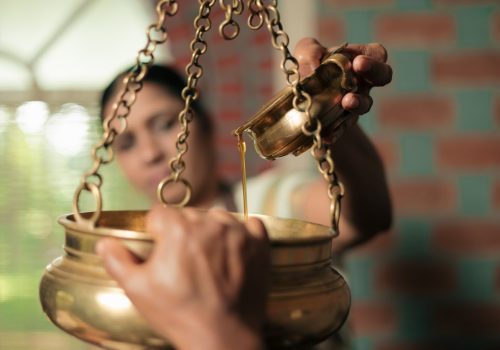
At Kairali, Panchakarma programmes begin with comprehensive physician assessment. The therapies selected, their sequence, duration, and accompanying dietary recommendations are individualised rather than standardised.
This personalised approach reflects an important Ayurvedic principle: the same therapy may not be appropriate for every person, even if they visit during the same season.
Practical Monsoon Habits Inspired by Ayurveda
Not everyone needs an intensive residential programme to incorporate seasonal Ayurvedic principles.
Simple practices commonly recommended during the rainy season include:
- Choosing freshly prepared, warm meals whenever possible.
- Avoiding prolonged exposure to damp clothing after rainfall.
- Drinking safe, clean water throughout the day.
- Maintaining regular meal timings.
- Paying attention to digestive comfort instead of overeating.
- Following a consistent sleep schedule.
- Seeking professional guidance before beginning herbal supplements or detoxification programmes.
These recommendations complement—not replace—general public health advice regarding hygiene, food safety, and medical care.
Why Personalisation Matters
The popularity of wellness media has made seasonal ingredient lists increasingly common.
While such articles provide useful introductions, Ayurveda has always taken a more individualised approach.
Two people experiencing the same weather may receive entirely different recommendations depending on their constitution, digestive health, age, lifestyle, and medical history.
That philosophy continues to shape clinical practice at Kairali, where physician-led assessment remains central to every treatment plan.
Looking Beyond Seasonal Trends
Every monsoon brings renewed interest in Ayurvedic herbs and home remedies. While ingredients such as neem, tulsi, ginger, turmeric, aloe vera, and amla continue to hold an important place within traditional practice, they represent only one aspect of Ayurveda’s understanding of seasonal health.
At Kairali – The Ayurvedic Healing Village, the focus extends beyond individual ingredients toward a more comprehensive philosophy—supporting the body’s ability to adapt to seasonal change through personalised care, appropriate nutrition, therapeutic interventions where indicated, and sustainable daily habits.
Perhaps that is Ayurveda’s most enduring lesson.
Rather than searching for one perfect herb every rainy season, it encourages us to observe the rhythms of nature, understand how they influence our own bodies, and respond with thoughtful adjustments that support long-term wellbeing.
Website: www.ktahv.com
Call: +91-9555156156
Ayurveda views the monsoon as a seasonal transition that can influence digestion, energy levels, and overall wellbeing. During this period, practitioners traditionally recommend adapting diet, daily routines, and lifestyle habits to support the body’s natural balance as environmental conditions change.
Traditional Ayurvedic practice often includes herbs and ingredients such as neem, tulsi, ginger, turmeric, amla, and aloe vera during the rainy season. However, Ayurveda emphasises that herbs should be selected according to an individual’s constitution, health status, and the guidance of a qualified practitioner rather than used as one-size-fits-all remedies.
At Kairali – The Ayurvedic Healing Village, seasonal wellness begins with an individual consultation. Physicians assess factors such as constitution (Prakriti), current imbalances, digestive health, lifestyle, and wellness goals before recommending personalised dietary guidance, therapies, herbal preparations, and daily routines appropriate for the season.