
































Every season brings changes to the body. Ayurveda recognises these changes and recommends adjusting diet, lifestyle, and daily habits to stay in balance. The seasonal routine for the rainy season is known as Varsha Ritucharya.
During the monsoon, humidity rises and digestion often becomes weaker. According to Ayurveda, this is also the period when Vata Dosha tends to increase. As a result, many people experience reduced appetite, sluggish digestion, bloating, or general discomfort.
Varsha Ritucharya offers practical ways to adapt to these seasonal changes through food, daily routine, and personalised Ayurvedic care.
Why Does Ayurveda Recommend a Different Routine During the Monsoon?
The transition from the hot summer months to cool, humid weather affects both the environment and the body.
Ayurveda explains that digestive strength, known as Agni, naturally becomes weaker during this season. When digestion is weak, the body may find it harder to process heavy meals.
For this reason, Ayurvedic physicians often recommend simple routines that support digestion and help maintain balance throughout the monsoon.
Foods Traditionally Recommended During Varsha Ritucharya
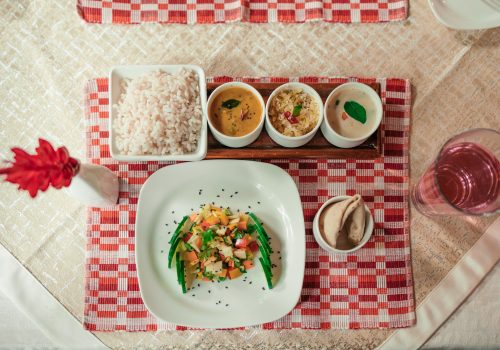
Ayurveda encourages freshly prepared meals that are light and easy to digest.
Traditional monsoon foods may include:
- Warm soups and porridges
- Green gram (moong dal)
- Barley and aged rice
- Bottle gourd, ridge gourd, and okra
- Cooked seasonal vegetables
- Buttermilk seasoned with cumin and rock salt
- Warm water throughout the day
Meals are usually served warm and prepared with digestive spices such as ginger, cumin, black pepper, and turmeric.
Foods That Are Traditionally Limited
Ayurvedic texts generally advise reducing foods that may be difficult to digest during the rainy season.
These include:
- Deep-fried foods
- Heavy desserts
- Stale or leftover meals
- Very cold food and drinks
- Excessively oily meals
These recommendations are intended to support digestion during a season when digestive capacity is traditionally considered lower.
Daily Habits That Support Seasonal Wellness
Varsha Ritucharya extends beyond diet.
Ayurveda also recommends simple daily habits, such as:
- Bathing with warm water
- Wearing dry clothes
- Avoiding prolonged exposure to damp conditions
- Sleeping on time
- Following a regular daily routine
- Practising gentle yoga or stretching
These habits are intended to help the body adjust to seasonal changes while supporting overall well-being.
The Role of Ayurvedic Therapies
For some people, seasonal transitions may also be a suitable time to consider physician-guided Ayurvedic therapies.
At Kairali – The Ayurvedic Healing Village, seasonal wellness programmes begin with a consultation by a qualified Ayurvedic physician. Based on an individual’s Prakriti (constitution), current health status, and wellness goals, the physician recommends appropriate therapies, diet, and lifestyle guidance.
Rather than following a standard programme for everyone, each wellness plan is personalised according to Ayurvedic principles.
Why Personalisation Matters
Ayurveda recognises that no two individuals are the same.
A routine that benefits one person may not be suitable for another. This is why physician consultation remains an important part of traditional Ayurvedic practice.
Seasonal guidance, dietary advice, and therapies are adapted to each person’s constitution and current state of health.
Bringing Seasonal Wisdom Into Everyday Life
Varsha Ritucharya is based on a simple idea: living in harmony with nature.
By making small changes to food, daily routine, and self-care during the monsoon, Ayurveda aims to support the body’s natural ability to adapt to seasonal change.
Whether followed at home or as part of a physician-led wellness programme at Kairali – The Ayurvedic Healing Village, these traditional principles continue to offer a thoughtful approach to seasonal living.
Website: www.ktahv.com
Call: +91-9555156156
Varsha Ritucharya is Ayurveda’s seasonal routine for the rainy season.
Ayurveda recommends lighter meals because digestion may become weaker during this season.
Warm, freshly cooked, and easy-to-digest foods are traditionally preferred.
Ayurveda recommends seasonal diet, daily routine, and physician-guided care to support overall well-being.
Kairali offers physician-led seasonal wellness programmes based on traditional Ayurvedic principles.