




























A clinical trial led by researchers at the University of Rochester Medical Center examined whether a structured yoga programme could help cancer survivors experiencing sleep difficulties.
The study is useful for one reason in particular: it looked at yoga as part of supportive survivorship care, not as a treatment for cancer itself.
That distinction is essential.
Yoga is sometimes discussed in wellness circles with language that goes far beyond the evidence. In cancer care, such exaggeration is especially inappropriate. Conventional oncology remains the basis of cancer treatment. Practices such as yoga may be studied alongside that care for specific aspects of quality of life, but they should never be presented as alternatives to medical treatment.
What the study examined
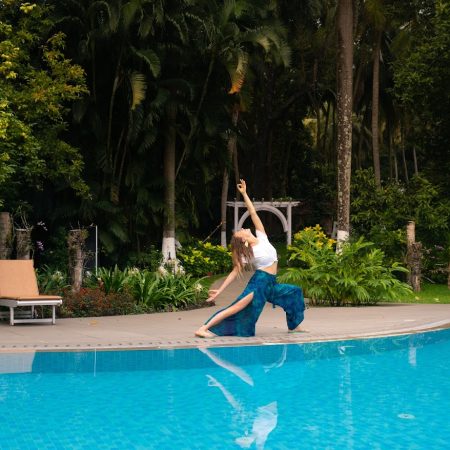
The trial evaluated a programme known as Yoga for Cancer Survivors, or YOCAS. Participants attended gentle yoga sessions that included breathing exercises, restorative postures and mindfulness-based practices.
Researchers examined whether this structured programme affected sleep and other quality-of-life measures among cancer survivors.
The findings suggested improvements in sleep quality among participants who took part in the yoga programme compared with standard survivorship care alone.
That is an encouraging research finding, but it should be interpreted carefully. One clinical trial does not establish yoga as a treatment for cancer, nor does it mean the same programme will be appropriate for every survivor.
Why supervision matters
People who have undergone cancer treatment can have very different physical needs.
Surgery, medication, fatigue, mobility limitations and other health factors may affect whether a particular movement or yoga practice is appropriate.
For that reason, anyone with a history of cancer should discuss new exercise or wellness practices with their treating healthcare team, particularly when they are still undergoing treatment or managing ongoing medical concerns.
A responsible yoga programme should also be adaptable. The purpose is not to push participants toward difficult postures or greater intensity. It is to work within appropriate limits.
Yoga should remain yoga, not become a cancer claim
The growing interest in integrative healthcare has created space for yoga, meditation and other practices to be studied more seriously.
That is positive.
But it also creates a responsibility to describe the evidence accurately.
Yoga may be researched for sleep, stress, mobility or quality of life in different populations. That does not mean it cures disease, changes cancer progression or replaces conventional treatment.
The distinction may sound obvious, but it is important whenever research findings enter the wellness conversation.
Looking Beyond the Study
The Rochester study is an interesting addition to the growing research around yoga and wellbeing in cancer survivorship. But its findings should remain within that context. They should not be used to suggest that every yoga or Ayurvedic programme offers the same benefits, or that such programmes can replace oncology care.
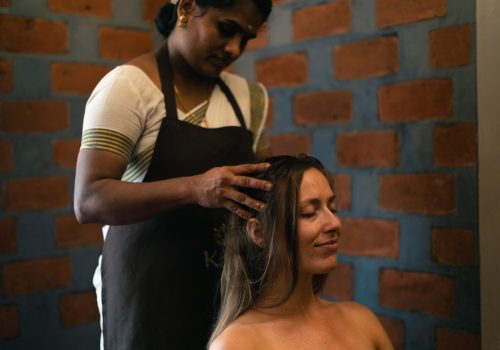
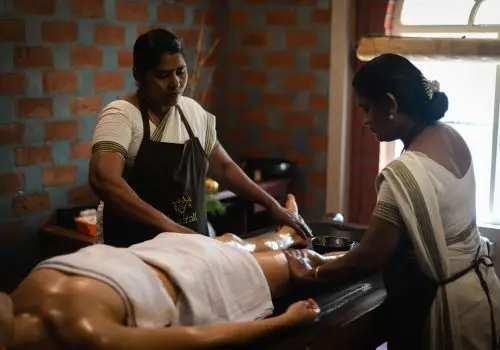
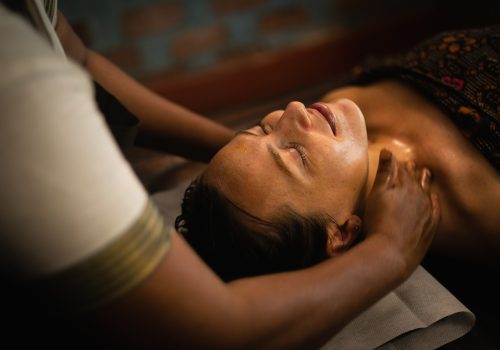
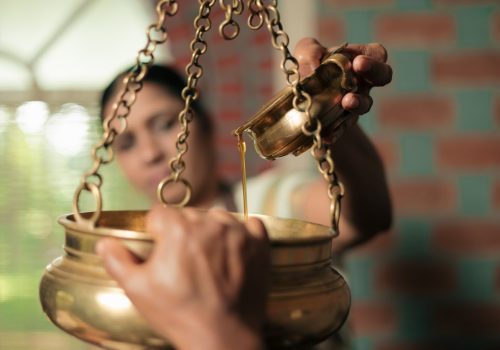
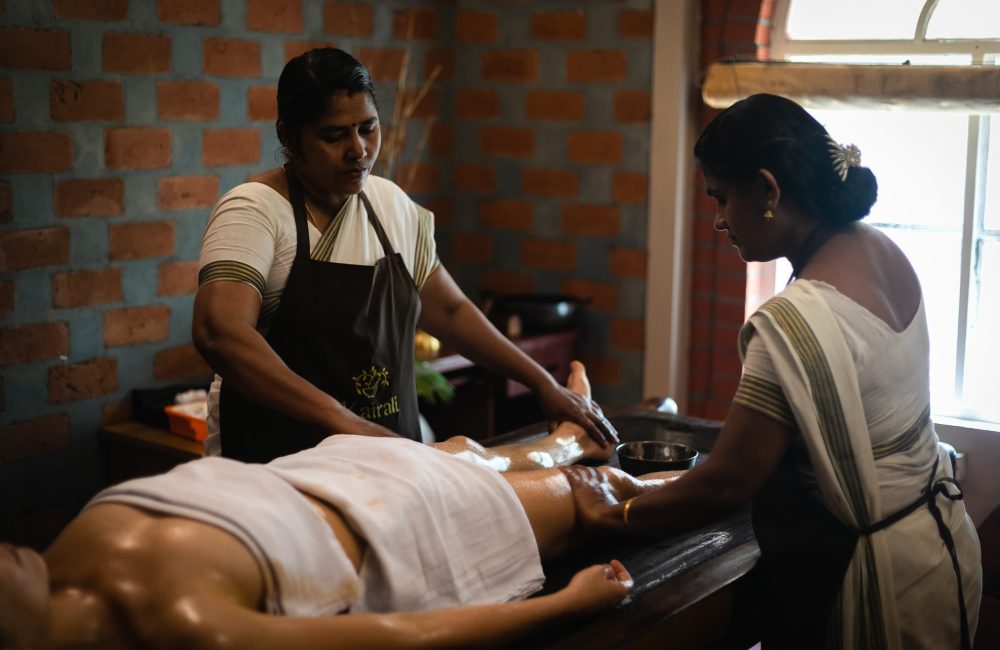
At Kairali – The Ayurvedic Healing Village, yoga forms part of a wider residential approach that also considers rest, daily routine, food and physician-led Ayurvedic care. Programmes are planned around the individual rather than around assumptions based on a diagnosis or medical history.
One of Kairali’s broader residential offerings is the Revitalizing and Strengthening Programme, which is centred on general wellbeing within the Healing Village environment. It should not be understood as a cancer programme or as a treatment for cancer or its effects. For anyone living with a significant medical condition or recovering from medical treatment, participation in any wellness programme should first be discussed with the treating healthcare team.
This distinction matters. Research into yoga and survivorship can help us better understand the role of supportive practices, while a residential wellness programme has a different purpose and scope. Keeping those boundaries clear allows both to be discussed responsibly.
A useful piece of research, with clear boundaries
The Rochester study adds to the wider research conversation around yoga and survivorship.
Its value is not that it proves a new treatment.
Its value is that it helps researchers and healthcare professionals understand where a structured, gentle practice may fit within broader survivorship care.
That is the right way to read this kind of research: with interest, but without turning it into a claim it was never designed to make.
Website: www.ktahv.com
Call: +91-9551551656





Leave a Reply