





























Polycystic Ovarian Disease (PCOD) is one of the most common hormonal disorders affecting women of reproductive age. While every individual’s experience differs, many women with PCOD experience irregular menstrual cycles, acne, weight gain, excessive hair growth, difficulty managing weight, or challenges with fertility.
Although there is no single diet that can reverse PCOD, nutrition plays an important role in supporting hormonal health. Eating a balanced diet rich in fibre, quality protein, healthy fats, and minimally processed carbohydrates may help improve insulin sensitivity, support a healthy weight, and promote overall metabolic wellbeing. Alongside regular physical activity, adequate sleep, stress management, and appropriate medical care, dietary choices can become an important part of long-term PCOD management.
Why Nutrition Matters in PCOD
Many women with PCOD have some degree of insulin resistance. This means the body’s cells become less responsive to insulin, causing the pancreas to produce more of the hormone. Higher insulin levels may stimulate the ovaries to produce more androgens (male hormones), which can contribute to symptoms such as irregular periods, acne, and unwanted hair growth.
Foods that support stable blood sugar levels may help reduce large insulin spikes throughout the day. Rather than following restrictive diets, a sustainable eating pattern that emphasises whole foods is generally easier to maintain over the long term.
Choose Smart Carbohydrates
Carbohydrates are often misunderstood in PCOD management. The goal is not to eliminate them but to choose carbohydrates that are digested more slowly and provide sustained energy.
Good options include:
- Quinoa
- Millets
- Rolled oats
- Sweet potatoes
- Brown rice
- Whole wheat
- Lentils and beans
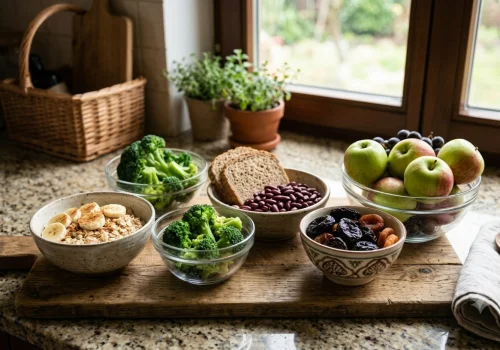
These foods are naturally rich in fibre, which slows digestion, supports satiety, and helps maintain more stable blood sugar levels.
Highly refined carbohydrates such as sugary beverages, sweets, white bread, and heavily processed snacks are best enjoyed occasionally rather than forming the foundation of daily meals.
Prioritise Quality Protein
Including a source of protein with every meal may help improve fullness and reduce frequent hunger between meals.
Good protein sources include:
- Eggs
- Fish
- Skinless chicken
- Paneer
- Greek yoghurt
- Tofu
- Lentils
- Chickpeas
- Kidney beans
Protein also supports muscle maintenance, which is important because skeletal muscle plays an important role in glucose utilisation.
Eat Plenty of Fibre-Rich Fruits
Fruit provides vitamins, minerals, antioxidants, and fibre. Contrary to common misconceptions, most whole fruits can be part of a balanced PCOD diet.
Some nutrient-dense choices include:
- Guava
- Berries
- Kiwi
- Apples
- Pears
- Citrus fruits
- Avocado
Whole fruits are generally a better choice than fruit juices because they retain their natural fibre, which helps moderate the body’s blood sugar response.
Include Healthy Fats
Healthy fats are essential for overall wellbeing and support the absorption of fat-soluble vitamins.
Consider including:
- Nuts
- Seeds
- Walnuts
- Almonds
- Flaxseeds
- Chia seeds
- Olive oil
- Fatty fish such as salmon and sardines
These foods can be incorporated into meals without needing large quantities.
Don’t Forget Vegetables
Vegetables provide fibre, antioxidants, and important micronutrients while naturally being lower in calories.
Aim to fill at least half your plate with a variety of colourful vegetables, including:
- Spinach
- Broccoli
- Bell peppers
- Carrots
- Cauliflower
- Cucumber
- Tomatoes
- Pumpkin
Eating a variety of vegetables helps increase overall nutrient diversity.
Stay Hydrated
Adequate hydration supports general health and may help regulate appetite.
Water should remain the primary beverage throughout the day. Unsweetened herbal teas and buttermilk may also contribute to daily fluid intake, while sugar-sweetened beverages are best limited.
Foods to Enjoy Less Often
No food needs to be permanently banned. However, limiting frequent intake of highly processed foods may support better metabolic health.
These include:
- Sugar-sweetened drinks
- Packaged desserts
- Deep-fried fast foods
- Refined bakery products
- Highly processed snack foods
- Excessively sugary breakfast cereals
Moderation is often more sustainable than complete restriction.
An Ayurvedic Perspective on Diet and PCOD
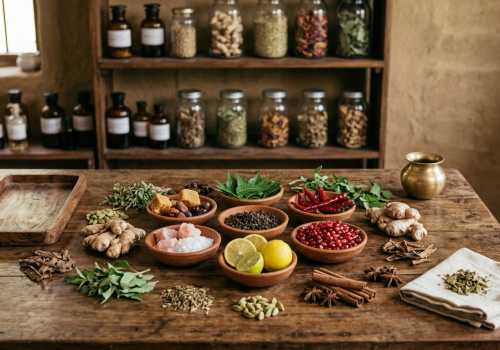
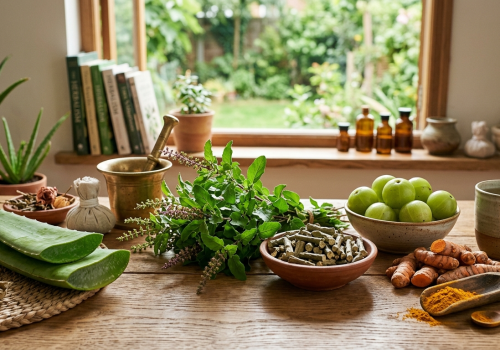
In Ayurveda, dietary recommendations are individualised and consider factors such as Prakriti (individual constitution), current health status, digestive function, and lifestyle. Rather than following a one-size-fits-all approach, Ayurvedic practitioners evaluate these factors before recommending dietary modifications.
General Ayurvedic dietary principles often encourage:
- Freshly prepared meals
- Seasonal fruits and vegetables
- Regular meal timings
- Mindful eating
- Limiting highly processed foods
Because each person’s constitution is unique, personalised dietary guidance from a qualified Ayurvedic practitioner may be beneficial.
Lifestyle Matters Just as Much
Food is only one part of PCOD management.
A comprehensive approach typically includes:
- Regular physical activity
- Strength training alongside aerobic exercise
- Consistent sleep habits
- Stress management practices
- Regular medical follow-up
- Maintaining a healthy body weight where appropriate
Small, consistent lifestyle changes often have a greater long-term impact than short-term restrictive diets.
Common Myths About PCOD Diets
Myth: You must stop eating carbohydrates.
Fact: Whole grains, legumes, and fibre-rich carbohydrates can be part of a balanced eating pattern.
Myth: Fruit should be completely avoided.
Fact: Whole fruits provide valuable nutrients and fibre and can usually be included as part of a healthy diet.
Myth: One “superfood” can cure PCOD.
Fact: No individual food has been shown to cure PCOD. Long-term dietary patterns and healthy lifestyle habits matter far more than any single ingredient.
Practical Tips to Get Started
Making dietary changes doesn’t have to happen overnight. Consider starting with one or two realistic habits:
- Add a protein source to breakfast.
- Replace refined grains with whole grains more often.
- Include vegetables at both lunch and dinner.
- Snack on fruit, yoghurt, or nuts instead of ultra-processed foods.
- Stay physically active most days of the week.
- Prioritise consistent sleep.
Small improvements practised consistently are more sustainable than drastic dietary restrictions.
The Bottom Line
There is no single “PCOD diet,” and no food can reverse the condition on its own. However, choosing whole, minimally processed foods, prioritising quality protein, including fibre-rich fruits and vegetables, and eating balanced meals may help support overall metabolic and hormonal health.
For women living with PCOD, sustainable lifestyle habits—including nutrition, physical activity, quality sleep, stress management, and regular medical care—remain the foundation of long-term wellbeing. If you are experiencing persistent symptoms or have concerns about your menstrual health, consult a qualified healthcare professional or Ayurvedic practitioner for personalised guidance.
A balanced diet for PCOD includes whole grains, millets, oats, quinoa, lean proteins, healthy fats, fruits, vegetables, legumes, and nuts. These foods provide fibre, protein, and essential nutrients that may help support stable blood sugar levels and overall metabolic health.
No. There is no single food or diet that can cure PCOD. However, a nutritious eating pattern, regular physical activity, adequate sleep, stress management, and appropriate medical care can work together to help manage symptoms and support long-term health.
Not necessarily. Carbohydrates are an important source of energy. Choosing complex carbohydrates such as rolled oats, sweet potatoes, millets, quinoa, and whole grains instead of refined carbohydrates may help support more stable blood sugar levels and improve satiety.
Whole fruits such as guava, berries, kiwi, apples, pears, citrus fruits, and avocado can be part of a balanced PCOD diet. They provide fibre, vitamins, minerals, and antioxidants that support overall health. Whole fruits are generally a better choice than fruit juices because they contain more fibre.
Ayurveda recognises that every individual is unique. Dietary recommendations are typically personalised based on factors such as an individual’s constitution (Prakriti), digestive function, lifestyle, and overall health. Consulting a qualified Ayurvedic practitioner can help determine dietary choices that are appropriate for your specific needs.