



























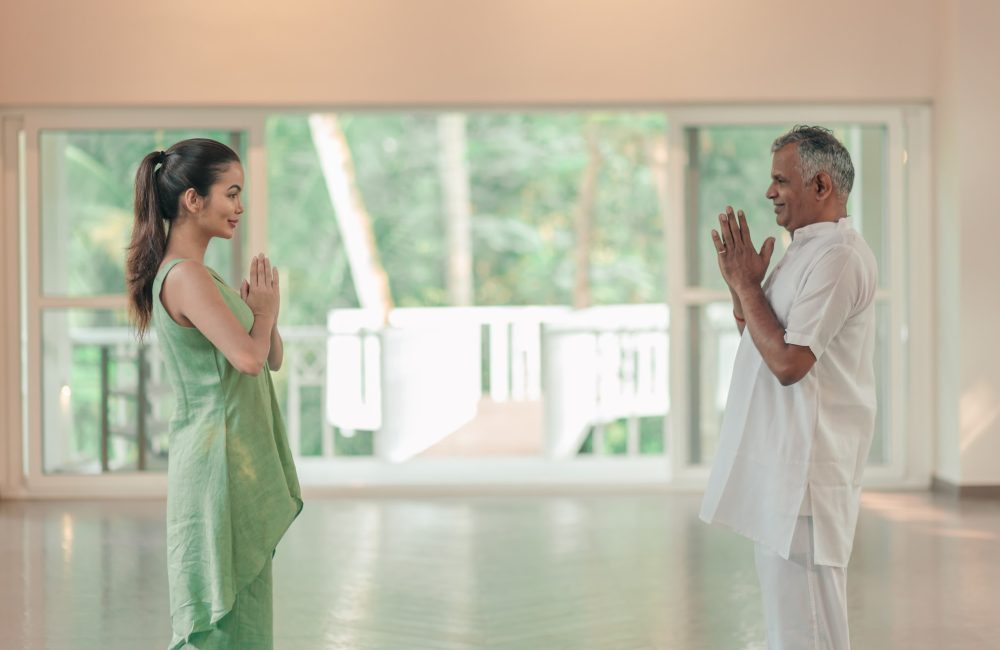

Yoga is often associated with flexibility and advanced postures. Social media has only reinforced that image. However, the true purpose of yoga goes far beyond touching your toes or mastering difficult poses.
In the Ayurvedic tradition, yoga is not about perfection. It is about creating balance between the body, mind, and breath. Every movement is performed with awareness rather than competition.
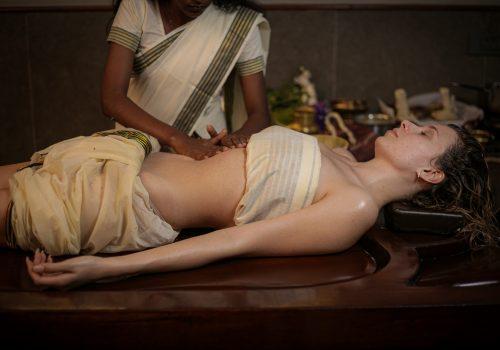
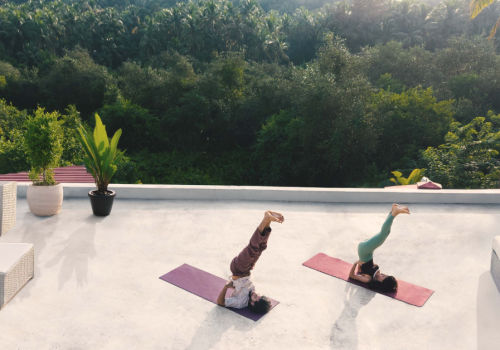
At Kairali – The Ayurvedic Healing Village, yoga is offered as part of a broader wellness programme that may also include Ayurvedic consultations, personalised therapies, dietary guidance, and lifestyle recommendations. The focus is not on achieving impressive poses but on practising safely and mindfully under professional guidance.
If you are new to yoga, understanding a few common mistakes can help you build a stronger and more enjoyable practice.
1. Trying to Copy Everyone Else
One of the biggest mistakes beginners make is comparing themselves with others.
Every body is different. Age, flexibility, mobility, previous injuries, and daily habits all influence how a pose feels.
Ayurveda also recognises that every individual is unique. Rather than following a one-size-fits-all approach, wellness practices are adapted to the person’s needs and constitution.
Instead of chasing the deepest stretch, focus on moving with comfort and control.
2. Ignoring Your Breath
Many people concentrate so much on the posture that they forget to breathe naturally.
Breath plays a central role in yoga. Slow and steady breathing can help improve focus and make movements feel more controlled.
If you notice yourself holding your breath, pause for a moment. Relax your body before continuing with the pose.
Often, better breathing leads to better alignment.
3. Pushing Beyond Your Limits
Progress in yoga takes time.
Trying to force a pose before your body is ready can lead to discomfort or injury. It can also make the practice feel frustrating instead of enjoyable.
Listen to your body. If a movement feels painful, ease out of the pose or choose a simpler variation.
Yoga is about consistency, not speed.
4. Forgetting Proper Alignment
Good alignment is more important than flexibility.
For example, in poses such as Warrior II or Plank, maintaining stable joints and an aligned spine helps distribute weight more evenly.
Qualified yoga instructors often encourage students to use props or adjust their stance to improve alignment. These small changes can make a significant difference to both comfort and stability.
5. Skipping the Warm-Up
Beginning with challenging poses without preparing the body is another common mistake.
Gentle stretches and simple movements help improve mobility and prepare the muscles for more demanding postures.
A gradual start also allows you to settle your breathing and focus your attention before moving into your practice.
6. Treating Yoga as Exercise Alone
Yoga certainly improves strength, balance, and flexibility. However, traditional yoga is much more than physical movement.
It also encourages mindfulness, relaxation, and greater awareness of the body and breath.
At Ayurvedic wellness retreats such as Kairali, yoga is often practised alongside meditation and lifestyle guidance. Together, these practices support a more balanced daily routine.
7. Expecting Instant Results
Many beginners become discouraged when they do not see rapid progress.
Yoga is a long-term practice. Small improvements in balance, posture, breathing, and body awareness often appear before dramatic changes in flexibility.
Regular practice usually brings greater confidence and comfort over time.
Patience is one of the most valuable lessons yoga can teach.
How Ayurveda Complements Yoga
Ayurveda and yoga have developed alongside one another for centuries. While they are distinct disciplines, they share a common goal of supporting overall wellbeing.
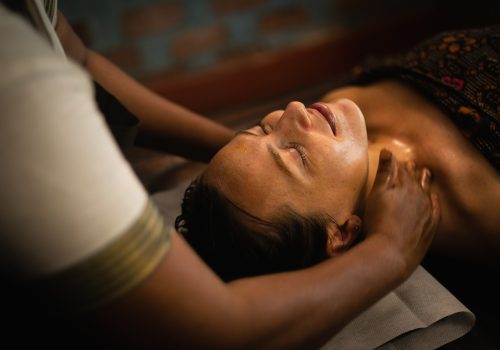
In an Ayurvedic wellness programme, yoga is not viewed in isolation. It may be combined with personalised consultations, appropriate dietary guidance, daily routines, and traditional Ayurvedic therapies based on the recommendations of qualified practitioners.
This integrated approach encourages sustainable lifestyle habits rather than short-term results.
Practise with Awareness, Not Perfection
The best yoga practice is one that respects your body’s abilities today.
Good posture is not measured by how impressive a pose looks. It is measured by stability, comfort, and mindful movement.
Whether you are attending your first yoga class or joining an Ayurvedic wellness retreat, remember that progress comes from regular practice, patience, and proper guidance.
Every pose is an opportunity to understand your body a little better—and that journey is far more valuable than achieving the perfect stretch.
Breathing supports both movement and concentration. Slow, controlled breathing can help improve stability, reduce unnecessary tension, and make each posture feel more comfortable. Many yoga teachers encourage students to coordinate their breath with every movement.
Website: www.ktahv.com
Call: +91-9555156156
Many beginners try to copy advanced poses without understanding proper alignment. Yoga is not about achieving the deepest stretch. Instead, it focuses on safe movement, steady breathing, and body awareness.
Ayurveda views yoga as part of a balanced lifestyle. Along with yoga, it encourages healthy eating, appropriate daily routines, adequate rest, and personalised wellness guidance. Together, these practices support overall wellbeing.
Yes. Yoga props such as blocks, straps, cushions, and bolsters can improve comfort and alignment. They help beginners practise safely while building strength, flexibility, and confidence over time.
Breathing supports both movement and concentration. Slow, controlled breathing can help improve stability, reduce unnecessary tension, and make each posture feel more comfortable. Many yoga teachers encourage students to coordinate their breath with every movement.
Yoga can be adapted for people of different ages and fitness levels. However, every individual has different needs. If you have an injury, a chronic health condition, are pregnant, or are recovering from surgery, it is best to practise under the guidance of a qualified yoga instructor and seek advice from your healthcare professional before beginning a new routine.