











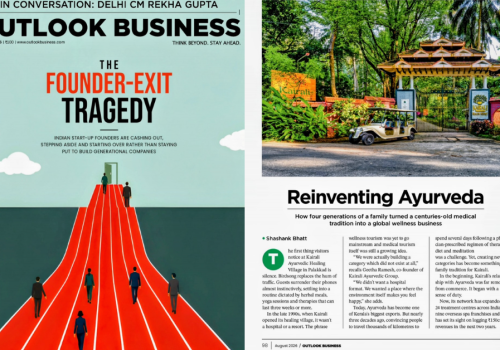
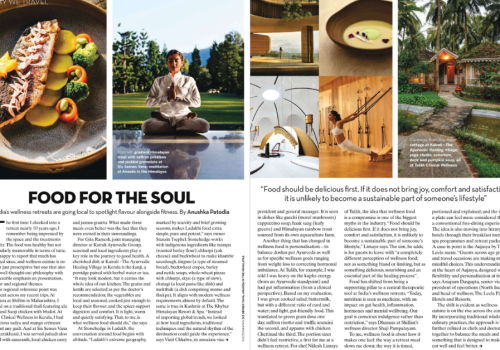


In my 7+ years as a practitioner at Kairali Ayurvedic Health Village, I have seen hundreds of patients arrive with fluctuating blood pressure, fatigue, and frustration from years of dependence on allopathic medication. Many leave transformed—lighter, calmer, and more in control of their health. This change doesn’t come from pills alone, but from learning to breathe, move, and truly listen to the signals of the body.
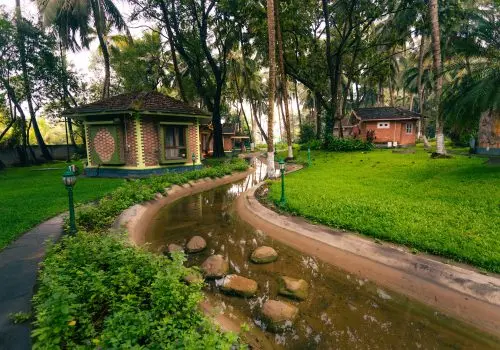
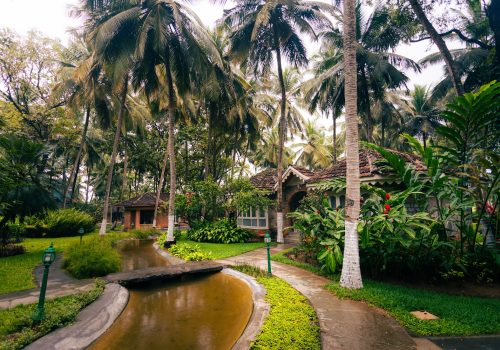
Welcome to the Kairali Ayurvedic Health Village in Kerala, a sanctuary where the ancient sciences of Yoga and Ayurveda converge to restore balance. Here, hypertension isn’t viewed merely as a disease; it’s understood as a symptom of deeper imbalance—often vata or pitta—amplified by stress, poor dietary habits, and irregular routines.
What is Hypertension in Ayurveda?
In Ayurvedic terms, hypertension is primarily a manifestation of imbalanced vata and pitta doshas.
- Vata-induced hypertension is linked with anxiety, erratic lifestyle, dryness, and overstimulation.
- Pitta-induced hypertension is driven by intensity, heat, ambition, anger, and poor dietary choices.
Ayurveda addresses this not merely with medication, but with a multi-layered approach involving:
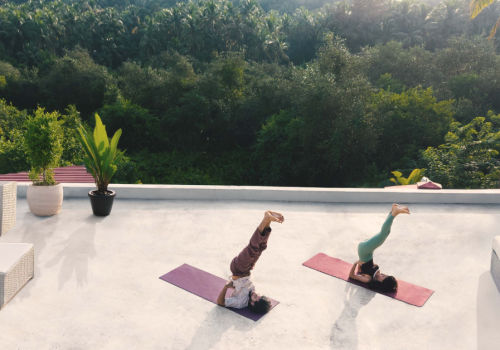
- Mindful yoga asanas
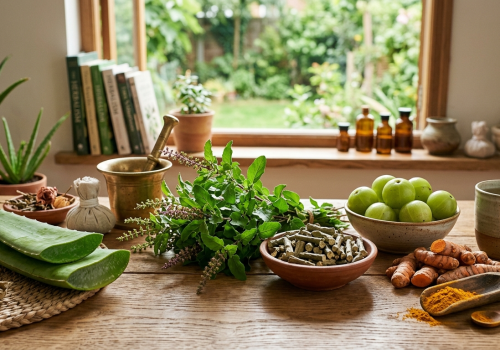
- Tailored diet and herbal protocols
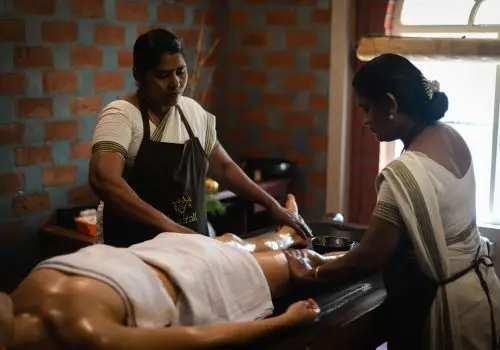
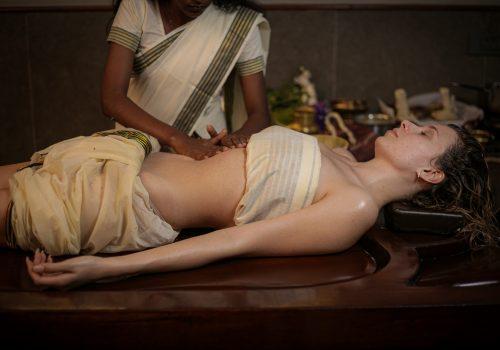
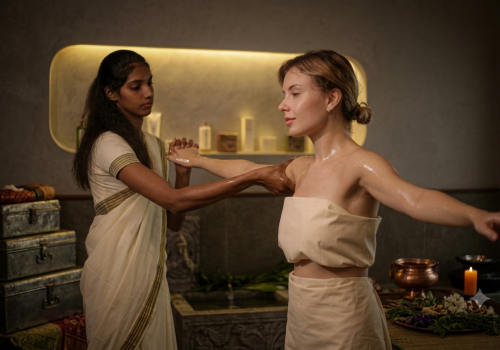
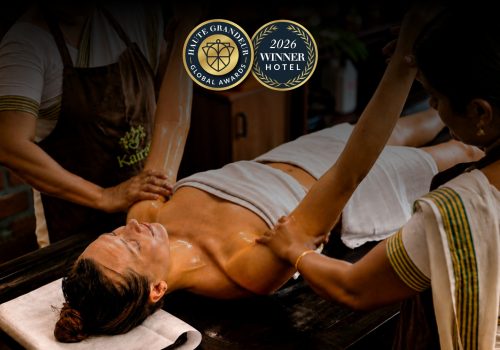
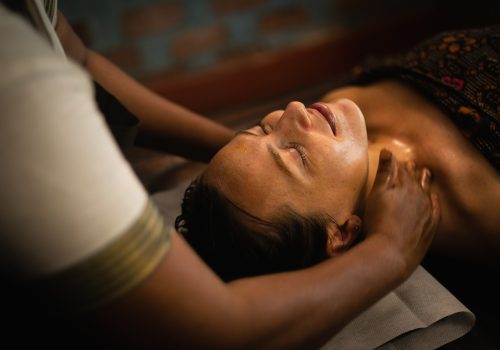
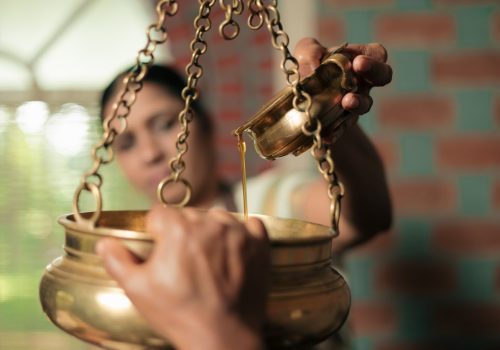
- Panchakarma detox
- Breathwork (pranayama) and meditation
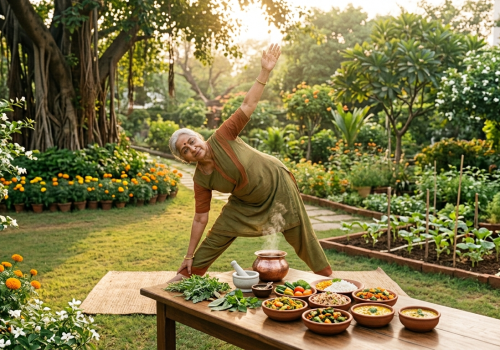
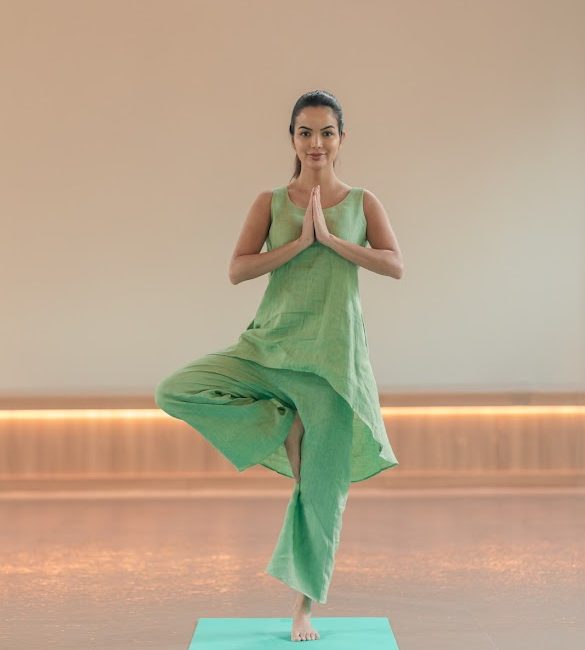
Yoga Asanas for Hypertension: The Kairali Way
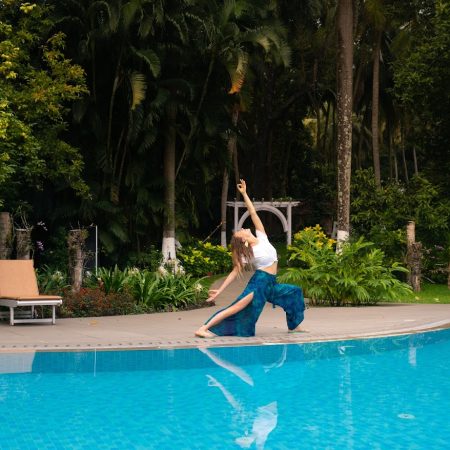
Here are 8 gentle yoga poses we teach at our yoga and Ayurveda retreat in Kerala. These are safe, calming, and align beautifully with Ayurvedic healing principles:
- Shavasana (Corpse Pose)
Promotes deep rest and parasympathetic dominance. - Viparita Karani (Legs-up-the-wall Pose)
Balances blood flow, soothes the nervous system. - Sukhasana with Nadi Shodhana (Easy Pose with Alternate Nostril Breathing)
Harmonizes hemispheres of the brain, balances energy. - Setu Bandhasana (Bridge Pose)
Opens the chest, supports circulation, calms anxiety. - Ardha Matsyendrasana (Half Spinal Twist)
Supports digestion and gentle organ massage. - Balasana (Child’s Pose)
Grounding, calming, and deeply restorative. - Paschimottanasana (Seated Forward Bend)
Helps release stress stored in the lower back. - Bhramari Pranayama (Bee Breath)
Reduces blood pressure, enhances nitric oxide levels.
These are incorporated daily at the best Ayurvedic retreat in Kerala, guided by certified yoga therapists.
Real Case Study: A Banker’s Journey from Beta-Blockers to Balance
Name: Rajesh (42), Mumbai banker
Symptoms: High BP (160/110), irritability, insomnia
Conventional History: On two medications for 5+ years, minimal relief
Kairali Protocol:
- Ayurvedic consultation to identify pitta dominance
- Panchakarma: virechana + nasya
- Daily yoga sessions tailored to reduce systemic inflammation
- Herbal formulations: Sarpagandha, Arjuna, Ashwagandha
- Diet: cooling, pitta-pacifying foods with low salt
Results: Within 21 days, BP normalized to 130/85. Medication taper began. Emotional state stabilized. Sleep improved. After 3 months, maintained levels without medication under supervision.
What Science Says
Modern research aligns with ancient wisdom:
- A 2023 meta-analysis (PubMed) found yoga reduces systolic BP by 8–10 mmHg on average.
- Bhramari Pranayama increases nitric oxide, relaxing blood vessels.
- Mindfulness and slow movement reduce cortisol and support vascular elasticity.
Prevention: What We Teach at Kairali
- Seasonal cleanses and dosha assessments
- Daily yoga and self-massage
- Early bedtime routines
- Emotional release practices
- Herbal teas and rituals
Learn more about our Kairali Ayurvedic Health Retreat packages for blood pressure, stress, and lifestyle conditions.
Ready to Heal Naturally?
Book your stay at the Kairali – The Ayurvedic Health Village, Kerala. Come for the yoga, stay for the transformation.
About the Author
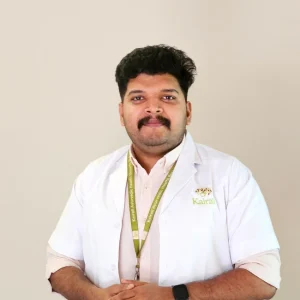
Dr. Rahul R is a dedicated Ayurvedic physician at Kairali – The Ayurvedic Healing Village, bringing over 7 years of clinical experience in holistic diagnosis and personalized healing. Known for his calm demeanor and patient-centered approach, Dr. Rahul excels in decoding the subtle intricacies of the human constitution through the lens of Ayurveda. Dr. Rahul believes that every body speaks its own language—and that Ayurvedic wisdom offers the most intuitive way to listen. His practice is rooted in balance, sustainability, and self-awareness, empowering guests to take charge of their well-being beyond treatment. He combines classical diagnostic tools like Nadi Pariksha (pulse reading) with modern wellness insights to provide grounded and practical healing recommendations.