































We’ve all been there. A hectic morning, a heavy lunch, and an irresistible urge to nap. It feels harmless—even refreshing. But when bedtime arrives, sleep seems nowhere in sight.
If this sounds familiar, you’re not alone. Poor sleep has become increasingly common in today’s fast-paced world. While stress, irregular schedules, and excessive screen time are often blamed, Ayurveda encourages us to look at another habit that often goes unnoticed: daytime sleep.
Why Does a Daytime Nap Affect Night-Time Sleep?
According to Ayurveda, sleep is one of the three pillars of health, alongside food and a balanced lifestyle. Good sleep is not simply about the number of hours spent in bed. It is closely linked to the body’s natural rhythms, digestion, daily routine, and mental wellbeing.
When these rhythms are disrupted, restful sleep may become difficult. One factor that can contribute is sleeping during the day, especially when it becomes a regular habit without a clear need.
What Does Ayurveda Say About Daytime Sleep?
Classical Ayurvedic texts refer to daytime sleep as Divaswapna. For most healthy individuals, sleeping during the day is generally discouraged because it may disturb the body’s natural biological rhythm and digestive processes.
However, Ayurveda does not believe that one rule applies to everyone.
There are situations where daytime rest may be beneficial. People recovering from illness, those who are physically exhausted, older adults, or individuals exposed to extreme summer heat may be advised to rest during the day. The decision depends on a person’s constitution, health condition, age, season, and lifestyle.
This personalised approach is one of Ayurveda’s defining principles. Instead of asking whether daytime sleep is good or bad, Ayurveda asks whether it is appropriate for a particular individual.
Looking Beyond Sleep: Finding the Root Cause
Difficulty sleeping at night is rarely caused by a single factor.
An irregular routine, emotional stress, late meals, frequent travel, excessive digital stimulation, or poor dietary habits may all play a role. Rather than treating sleeplessness as an isolated symptom, Ayurveda seeks to understand the underlying imbalance contributing to disturbed sleep.
The first recommendations are often simple: maintaining regular meal times, reducing screen exposure before bedtime, creating a calming evening routine, and waking up at a consistent hour. Practices such as yoga, meditation, and breathing exercises may also help support healthy sleep habits as part of an overall lifestyle.
When Lifestyle Changes Aren’t Enough
Occasional sleepless nights are a part of life. However, when poor sleep becomes persistent and begins to affect daily wellbeing, it may be helpful to seek professional guidance.
In Ayurveda, this begins with a detailed consultation rather than a standard treatment plan. An Ayurvedic physician evaluates an individual’s constitution (Prakriti), current imbalances, daily routine, dietary habits, stress levels, and overall health before recommending a personalised approach.
This emphasis on individual assessment recognises that two people with similar sleep concerns may require very different recommendations.
Kairali’s Personalised Approach to Sleep Restoration
At Kairali – The Ayurvedic Healing Village, sleep is approached as part of overall health rather than as a standalone concern.
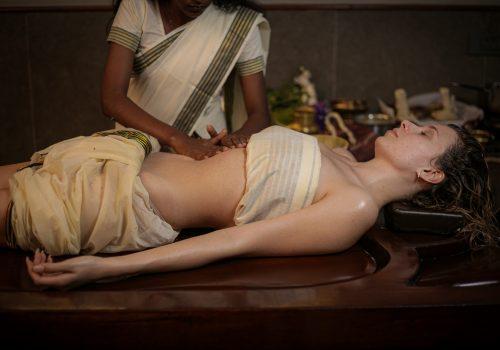
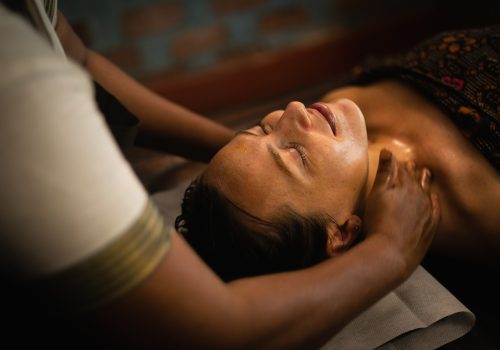
The Sleep Restoration Therapy Programme begins with a comprehensive consultation conducted by qualified Ayurvedic physicians. Based on the individual’s assessment, a personalised programme may include Ayurvedic therapies, dietary guidance, yoga, meditation, relaxation techniques, and lifestyle counselling. The objective is to help restore healthy daily rhythms while addressing factors that may be contributing to disturbed sleep.
Equally important is the environment. Set amidst the peaceful landscapes of Palakkad, Kerala, Kairali provides a quiet setting where guests can step away from the demands of everyday life and focus on rebuilding healthy routines under professional supervision.
Restoring Healthy Sleep, Naturally
Ayurveda reminds us that restful sleep begins long before we go to bed. The choices we make throughout the day—how we eat, work, move, and rest—shape the quality of our nights.
For those experiencing occasional sleep disturbances, consistent daily habits may be enough to restore balance. When sleep concerns persist, a personalised Ayurvedic assessment can help identify the underlying factors and recommend an approach tailored to the individual.
Healthy sleep is not simply about sleeping longer. From an Ayurvedic perspective, it is about living in a way that allows sleep to come naturally.
Website: www.ktahv.com
Call: +91-9555156156
Not always. Ayurveda generally discourages regular daytime sleep for healthy individuals, but it recognises exceptions. Rest during the day may be appropriate for older adults, people recovering from illness, those who are physically exhausted, or during certain seasons, depending on an individual’s constitution and health.
Divaswapna is the Ayurvedic term for daytime sleep. Classical Ayurvedic texts discuss when daytime sleep may be beneficial and when it may disrupt the body’s natural daily rhythms.
Ayurveda approaches sleep by addressing lifestyle, daily routine, diet, stress, and individual constitution. Rather than focusing only on sleep itself, it aims to identify factors that may be contributing to disturbed rest.
The programme begins with a consultation by a qualified Ayurvedic physician. Based on the assessment, it may include personalised Ayurvedic therapies, dietary guidance, yoga, meditation, relaxation practices, and lifestyle recommendations tailored to the individual’s needs.