


























In My 12+ Years at Kairali, I’ve Seen Yoga Heal What Medicine Couldn’t
When grief walks in, it doesn’t knock. It arrives uninvited, lingers indefinitely, and affects not just your mind—but your digestion, sleep, immunity, and spirit. I’ve seen hundreds of guests at our Kairali Ayurvedic center in Palakkad walk in with heavy hearts and leave with lighter souls.
Ayurveda doesn’t treat grief as an emotion alone—it’s a doshic imbalance, especially of Vata and Sadhaka Pitta. And while time heals, structured yoga retreat in Kerala experiences accelerate that healing.
Understanding Grief in Ayurveda
In Ayurvedic psychology (Manas Roga), grief is often associated with:
- Vata aggravation (restlessness, anxiety, insomnia)
- Sadhaka Pitta imbalance (emotional burnout, heartache)
- Ojas depletion (loss of vitality)
Left unprocessed, these imbalances manifest as fatigue, autoimmune issues, IBS, and even depression.
Why Yoga Is the First Medicine for a Broken Heart
Modern science now agrees: Yoga helps regulate the parasympathetic nervous system, lower cortisol, and improve heart rate variability. But in Ayurveda, yoga is not just movement—it’s emotional detox.
Our Integrative Protocol at the Kairali Yoga and Meditation Retreat Includes:
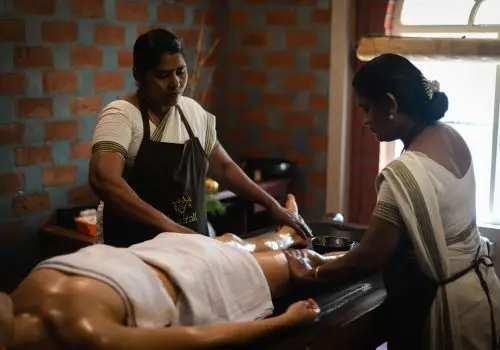
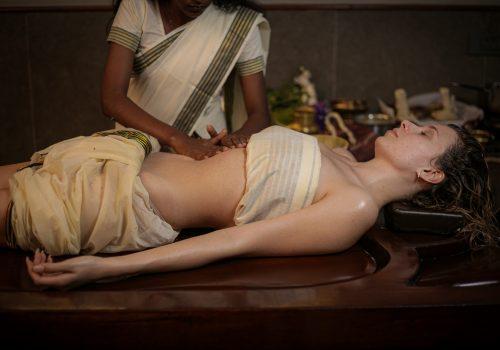
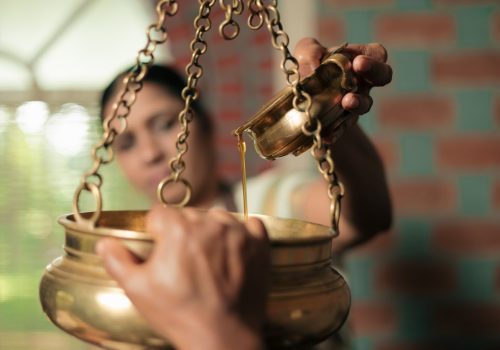
- Hridaya Basti (oil therapy over the heart to calm grief)
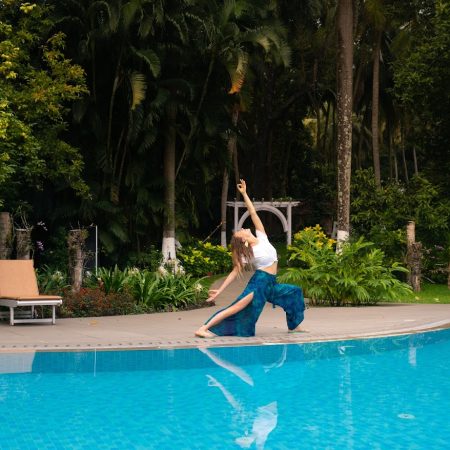
- Anahata-Centered Asana Practice (heart-opening poses like Bhujangasana, Matsyasana)
- Grief-Specific Pranayama (especially Anulom-Vilom and Bhramari)
- Herbal Support: Ashwagandha, Brahmi, and Rose Gulkand for emotional balance
- Marma Therapy: Activation of emotional pressure points like Hridaya, Apanga
Our Palakkad retreat uniquely combines Yoga with these treatments for full-spectrum healing.
Real Story: Healing After Loss at Kairali Palakkad
Meet Lillian, 42, who came to our center from Canada after losing her partner. Conventional grief therapy helped—but she said the real shift happened during our 10-day Yoga and Ayurveda Retreat. By Day 3, she was sleeping soundly; by Day 7, her appetite returned. On Day 10, she led a group meditation.
“This retreat gave me my spirit back.” — Lillian
5 Signs You Need a Grief Healing Retreat (And Not Just Therapy)
- You feel disconnected from your body
- You’re experiencing chronic fatigue or poor digestion
- Tears come easily, but sleep doesn’t
- Talk therapy isn’t shifting your emotional weight
- You long for spiritual reconnection—not just mental recovery
Why Kairali Ayurvedic Palakkad Is Your Ideal Healing Destination
Unlike resorts, we’re a working Ayurvedic hospital and retreat. Our doctors, yoga therapists, and Panchakarma teams are trained in traditional healing arts—but also understand the emotional needs of modern guests.
✅ Quiet, forested setting in Kerala’s Western Ghats
✅ In-house Ayurvedic pharmacy and organic kitchens
✅ Emotional detox programs tailored to your dosha
✅ Expert-led yoga and meditation retreat modules
Start Your Healing Journey
Book your personalized Yoga & Ayurveda Retreat in Palakkad.
Website: www.ktahv.com
Call: +91-9555156156
Yoga and Ayurveda may help support emotional wellbeing by encouraging relaxation, healthy routines, mindful breathing, and self-care. However, they should complement—not replace—professional mental health care when needed.
In Ayurvedic philosophy, grief is viewed as an experience that can influence the balance of the body and mind. Ayurvedic practitioners use individual assessments to recommend personalised lifestyle practices, therapies, and dietary guidance based on each person’s needs.
A yoga and Ayurveda retreat may include consultations with qualified practitioners, yoga sessions, meditation, Ayurvedic therapies, dietary guidance, and wellness education. Every programme is tailored to the individual and their personal wellness goals.
Yes. Gentle yoga and breathing practices may help many people manage everyday stress and improve relaxation. If you are experiencing prolonged grief, depression, or anxiety, it is important to seek guidance from a qualified healthcare or mental health professional alongside any wellness practices.
Ayurveda recognises that every individual is unique. Qualified practitioners assess factors such as lifestyle, health history, and personal goals before recommending wellness practices. This personalised approach helps ensure that guidance is appropriate for each guest’s circumstances.