























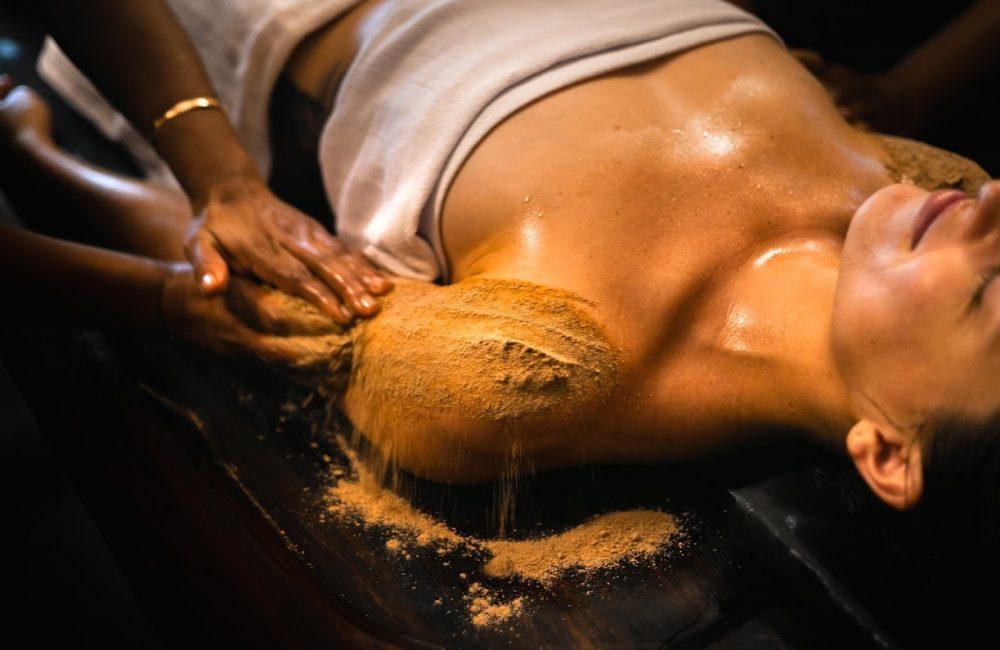

Confused between Ayurveda vs naturopathy? Dr. Rahul explains the real differences in approach, safety, and results from his work at Kairali.
Ayurveda vs Naturopathy is a question many guests ask me about on their very first day at Kairali – The Ayurvedic Healing Village. Both lean on natural methods, yet they arise from very different roots and create quite distinct experiences in the body.
As an Ayurvedic physician, I meet many people who’ve already attended naturopathy retreats, tried juice fasts, or joined detox camps before they arrive in Palakkad. Listening closely to what supported them, what exhausted them, and what left them confused has made the differences between these approaches very clear to me.
What does Ayurveda actually focus on?
Ayurveda is India’s traditional health science. It understands life through three functional forces called Dosha — Vata (movement and nervous system), Pitta (heat, digestion, transformation), and Kapha (structure, lubrication, stability).
When these three are in balance, we usually feel steady, clear, and energised. When one or more shift out of balance, discomfort quietly creeps in and then starts to speak louder.
We also track a few other key concepts very closely:
- Agni — your digestive and metabolic strength, the inner “fire” that breaks down food and even your daily experiences
- Ama — sticky, toxic build-up that forms when Agni is weak and digestion remains incomplete
- Prakriti — your inherent constitution, the unique proportion of Vata–Pitta–Kapha you are born with
Your Prakriti helps us understand which foods, daily habits, climates, and therapies will support you best over time. So our attention doesn’t stop at removing toxins; it extends to bringing your whole system — digestion, nerves, sleep, emotions — back to a more natural rhythm specifically for you.
What does naturopathy focus on?
Naturopathy took shape mainly in Europe and America over roughly the last 200 years. It centres on the idea that the body can heal itself if given the right conditions.
Common naturopathic tools include:
- Fasting or tightly restricted diets
- Raw foods and fresh juices
- Hydrotherapy (like contrast baths or steam)
- Mud packs
- Basic lifestyle counselling
The simple principle is: reduce the burden on the body, give it clean inputs, and the system will begin to repair. Many people do feel lighter and clearer, especially if they’re coming from heavy meals, irregular eating hours, or chronic stress.
But naturopathy generally doesn’t use detailed lenses like Dosha, Agni, or Prakriti. So while there is some personalisation, it’s usually broader, with less fine-tuning for constitution and emotional makeup.
Ayurveda vs naturopathy in daily practice
1. Assessment and personalisation
When a guest arrives at Kairali, we don’t start with therapy. We start with a full Ayurvedic consultation.
This usually includes:
- Pulse examination
- Observation of tongue, eyes, skin, and nails
- Detailed questions about digestion and bowel habits
- Sleep pattern and quality
- Emotional state and current stressors
- Past medical reports and current medications
From these pieces, we identify both your Prakriti (baseline constitution) and Vikriti (your current imbalance).
Your treatment plan may bring together:
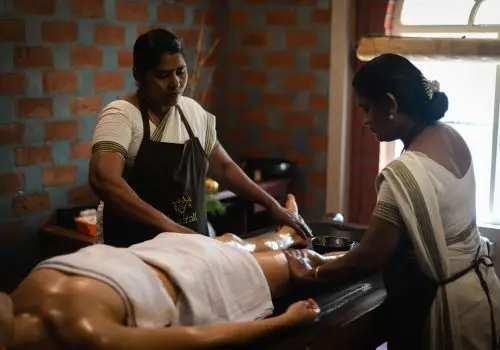
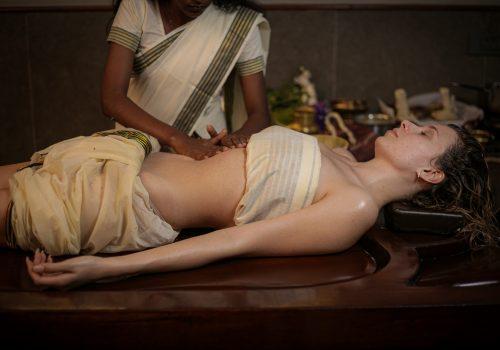
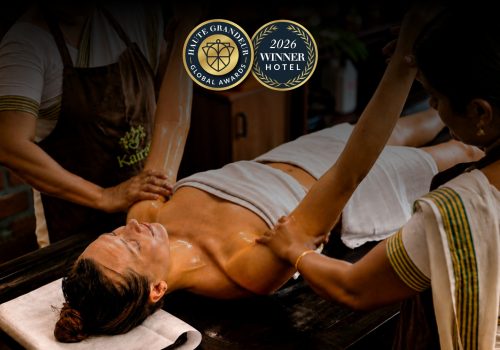
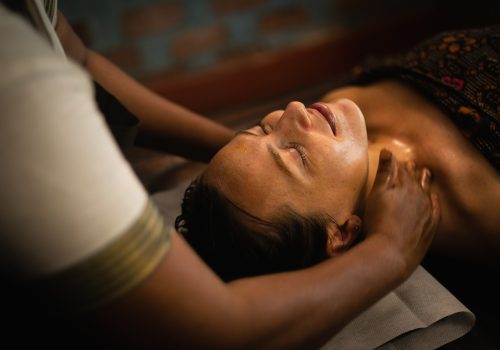
- Abhyangam (warm herbal oil massage)
- Herbal steam and baths
- Tailored internal herbal medicines
- Specific yoga, breathing practices, and rest timings
- In appropriate cases, Panchakarma — a structured cleansing and rejuvenation process
Each piece is selected after looking at the current state of Vata, Pitta, and Kapha, along with your age, strength, the season, and your medical history. So a 45-year-old corporate professional with Vata–Pitta imbalance, poor sleep, and acidity will get a very different schedule from a 60-year-old with Kapha-dominant arthritis, even if both stay for the same number of days.
In naturopathy, the initial intake is often attentive too, but the toolkit is narrower. Many guests tell me that at previous centres they were placed on similar fasting or hydrotherapy routines, with less adjustment for body type or emotional resilience. Some thrived on that; others felt depleted and slightly ungrounded.
2. Use of medicines and herbs
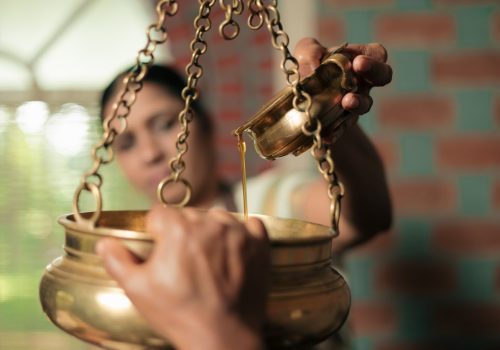
Ayurveda uses an extensive range of herbal formulations and medicated oils, many documented in classical texts like the Charaka Samhita.
We use these medicines and oils to support, among other things:
- Digestion and Agni
- Joint comfort and mobility
- Sleep and nervous system balance
- Menstrual regularity
- Skin health and tissue repair
Dosage, timing, and combinations are all significant. At Kairali, our physicians review medicines daily during Panchakarma and adjust quickly if digestion slows, sleep becomes shallow, or emotions feel unusually raw. For instance, we often soften a strong cleansing plan midway if we see a guest’s Vata rising — more anxiety, dryness, or light, broken sleep.
Naturopathy usually steers away from medicines entirely. Some centres use basic vitamin or mineral supplements, but the main tools remain water, mud, sunlight, and diet.
How each approach feels in the body
For most people, the sharpest difference isn’t in the philosophy but in how the journey feels moment to moment.
With a well-planned Ayurvedic programme, guests commonly tell us by the third or fourth day that they feel:
- A grounded heaviness in the limbs, as if the body has “come down” from a high-alert mode
- Warmer joints and softer, better-hydrated skin from repeated oil therapies
- Easier, more regular bowel movements
- Deeper, heavier sleep, sometimes with richer or more frequent dreams
- Phases of mild tiredness or emotional release as old tension surfaces and then gradually settles
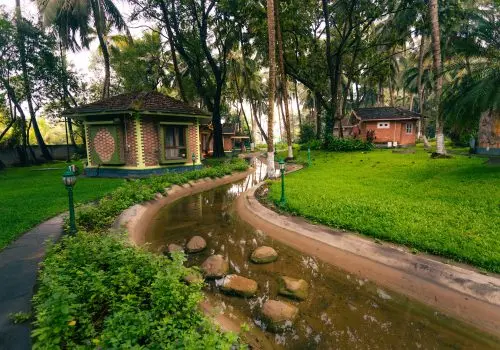
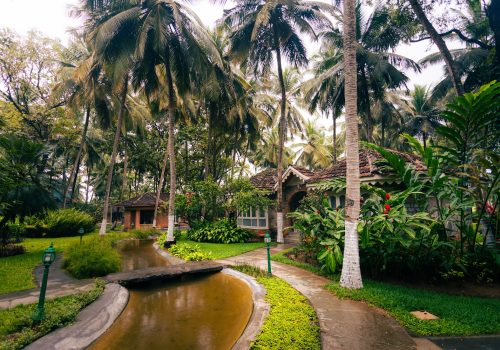
That’s one reason we keep the Healing Village environment intentionally quiet: no loud music, no packed timetables, no aggressive exercise routines. The nervous system needs that kind of silence and space to reset itself.
Guests who’ve gone through intense naturopathic fasting often describe another pattern:
- At first, a sense of lightness, mental clarity, and a “clean” feeling in the head
- Then, if the fast was too strong for their constitution, spells of weakness, feeling cold, irritability, or disturbed sleep
When such guests arrive soon after a harsh fast, our first goal is rarely more cleansing. We usually start by rebuilding Agni gently — warm, simple meals; shorter therapies; more rest — and only then decide whether any deeper detoxification is appropriate.
When Ayurveda may be more suitable
Ayurveda has traditionally been used to support long-standing concerns where multiple systems in the body are involved. For example:
- Joint discomfort or early osteoarthritis
- Chronic digestive issues (bloating, IBS-like patterns, acidity)
- Menstrual irregularity or perimenopausal symptoms
- Sleep disturbances and persistent fatigue
- Stress-related complaints such as headaches, body pain, or palpitations
Because we work from the root disturbance in Dosha and Agni, we can create long-term suggestions for:
- A diet suited to your Prakriti
- Daily routine (Dinacharya): sleep–wake timings, self-massage, work–rest rhythm
- Seasonal adjustments — what to change in summer, monsoon, or winter
That gives you a framework that continues long after your stay ends. Many of our regular guests send a brief WhatsApp message or schedule a teleconsultation every few months so we can adjust gently as their life circumstances shift.
Naturopathy, on the other hand, is often selected for:
- A general lifestyle reset
- Short-term weight management
- A “clean-up” after a period of heavy food, alcohol, or very irregular living
It can work well as a starting point for people completely new to health practices who simply need a break from their usual pattern and a lighter structure.
If your symptoms have persisted for years, involve more than one system (like digestion + joints + sleep together), or if you’re on regular medication, I usually suggest:
- A detailed Ayurvedic assessment
- A medically supervised programme instead of a self-guided fast
Safety: why supervision matters
Ayurveda and naturopathy both use natural inputs. But “natural” isn’t always gentle by default. The wrong therapy, at the wrong moment, for the wrong person can become a strain on the body.
Here are some examples I’ve actually seen:
- Strong enemas given to someone with weak Agni and low body weight
- Intense fasting for a Vata-dominant, already anxious person
- Powerful herbal purgation during a period of high work pressure or very poor sleep
At Kairali, our medical team keeps a close eye on:
- Vital signs
- Overall energy levels
- Bowel movements and appetite
- Mood and mental state
This kind of tracking becomes especially important during the cleansing phases of Panchakarma. We pause, reduce, or modify therapies as soon as the body shows signs of strain.
We also ask for recent medical reports before certain programmes and, when needed, coordinate with your existing doctors. Ayurveda is meant to work alongside good allopathic care, not push it aside. For some guests — for instance, those taking blood thinners or with unstable cardiac conditions — we skip specific therapies completely and focus on gentler, supportive options.
So, should you choose Ayurveda or naturopathy?
Both approaches value nature, rest, and food as medicine. The differences lie more in the framework, the tools, and the time horizon.
- Framework
- – Ayurveda: a detailed system that uses Dosha, Agni, and Prakriti to interpret symptoms and plan treatment.
- – Naturopathy: emphasises the body’s self-healing capacity with a simpler, less layered model.
- Tools
- – Ayurveda: a personalised mix of herbal medicines, medicated oils, diet, yoga, and structured cleansing (Panchakarma) when appropriate.
- – Naturopathy: mainly fasting, diet changes, water therapies, mud treatments, and physical modalities.
- Time horizon
- – Ayurveda: generally aims for deeper rebalancing and long-term routine changes.
- – Naturopathy: more often focused on a short-term reset or break.
At Kairali – The Ayurvedic Healing Village, some guests arrive expecting a naturopathy-style detox — cold juices, strict fasting, packed activity lists — and instead meet something softer:
- The warmth and scent of herbal oils
- An unhurried pace, with clear spaces left for sleep between therapies
- Small but intentional details: the spices in your lunch, the timing of your evening herbal drink, or a suggestion to switch off screens after dinner
That slowness isn’t accidental. The body, especially a tired nervous system, usually responds better to consistent, moderate input than to intense, dramatic shifts.
So, when you’re choosing your next retreat, one question can help:
“Do I want a quick reset, or do I want to understand and support my unique constitution?”
There’s no universal right or wrong answer. There’s only what fits this phase of your life and health.
Whatever you decide, speak with your physician before starting any new health program, especially if you have an existing medical condition or take regular medication. Even a short conversation beforehand can make your experience safer, more comfortable, and more in tune with what your body genuinely needs.