


















Winter strains the body through cold, dry air, shorter daylight, and increased indoor time. At Kairali Ayurvedic Healing Village in Palakkad, we combine classical Ayurveda with pragmatic Naturopathy to restore what winter erodes: warmth, moisture, rhythm, and calm. This renewed guide—built for readers seeking an authentic Kerala Ayurvedic retreat—shows how food, oiling, breath, light, sleep, and (when suitable) physician-led detox work together to support immunity. It’s persuasive by design, but grounded in safety, contraindication checks, and Western-care integration.
Why Pair Ayurveda and Naturopathy in Winter
Ayurveda’s seasonal wisdom (ritucharya) focuses on sustaining digestive fire (agni) and nourishing tissues, while Naturopathy reinforces circadian alignment, movement, breath, and environmental hygiene. Together they create a stable internal milieu: well-hydrated airways, steady digestion, regulated stress, and consistent sleep. This synergy is especially helpful for travelers planning an Ayurvedic wellness getaway or locals building a winter routine at home.
Food Strategy: Warmth, Moisture, and Digestibility
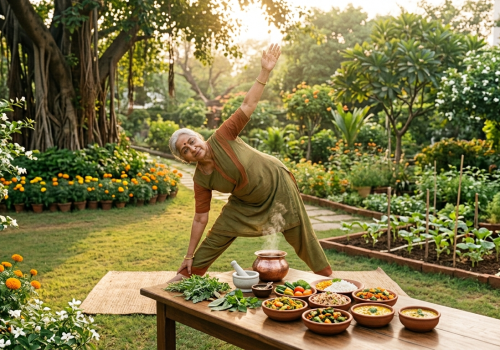
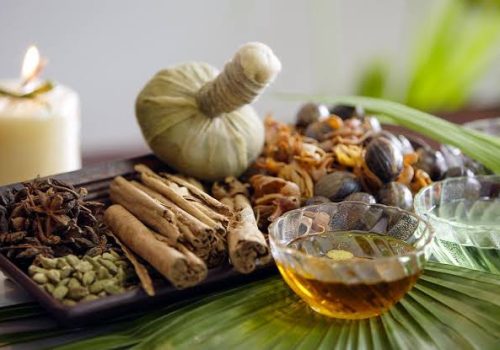
Winter meals should be warm, lightly spiced, and easy to digest to protect agni. Think broths, stews, kitchari, and seasonal roots with moderate ghee—all of which deliver moisture and steady energy without heaviness. Gentle spices like ginger, cumin, black pepper, and cinnamon help kindle digestion, while warm water or herbal infusions keep hydration consistent. Avoid iced drinks and large late-night meals that dull metabolism and disturb sleep. This simple plate is the foundation for Ayurvedic wellness Kerala.
Daily Oiling: Rebuilding the Barrier Winter Breaks
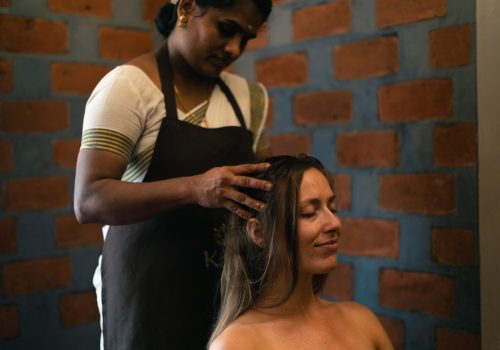
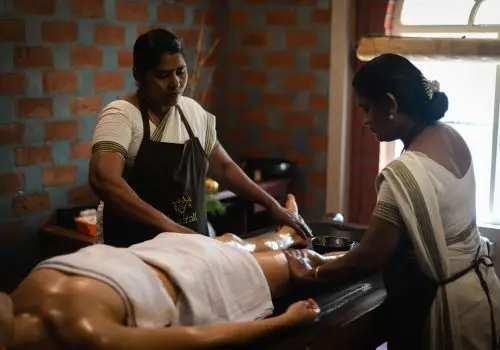
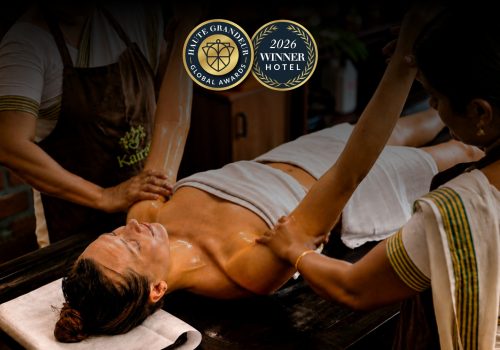
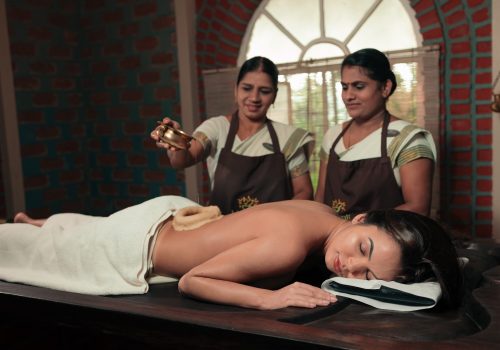
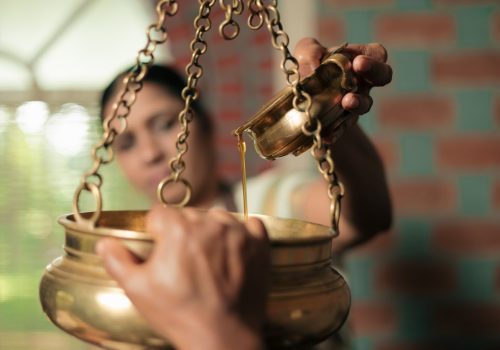
Cold, dry conditions compromise the skin and nasal mucosa. Self-massage (abhyanga) with warm sesame oil for 10–15 minutes on alternate days supports circulation, calms the nervous system, and fortifies the skin barrier. Nasal oiling (nasya) after a warm shower can gently moisturize passages on particularly dry days, though it should be paused during acute sinus infection. Humidifying living spaces to a moderate level and ventilating daily completes this moisture-focused layer.
Breath, Movement, and Sleep: Calming the Immune Orchestra
A coordinated immune response depends on a calm autonomic nervous system. Short, consistent breathwork—such as alternate-nostril breathing or humming practices—reduces stress reactivity and prepares the body for deeper sleep. Daily movement, whether brisk walking, yoga flows, or strength work, keeps circulation active and digestion robust. Morning light exposure anchors circadian rhythm, while an evening “digital sunset” allows melatonin to rise naturally. These habits transform winter from a drain into a steady season.
Gentle Rasayana: Rejuvenation Without Hype
Rasayana in winter prioritizes nourishment rather than aggressive cleansing. Food-first strategies come first; traditional tonics like chyawanprash may be suitable for some, but they must be matched to individual context, medication profiles, and goals. At Kairali, physicians advise case by case, favoring conservative, sustainable additions over high-dose, one-size-fits-all protocols.
When Home Routines Aren’t Enough
Some patterns—recurrent sinus congestion, poor sleep tied to stress, or chronic digestive sluggishness—benefit from immersion at a physician-led panchakarma retreat kerala. Our approach begins with intake, vitals, and a detailed consult before any therapy is prescribed. Gentle oiling and steam may be introduced first, with targeted cleanses considered only when clinically sound. We will recommend less, or slower pacing, if that is safer for you.
A Persuasive Yet Safe 7-Day Winter Ramp
The first two days emphasize warm breakfasts, brief walks after meals, and an early evening wind-down. Midweek layers in abhyanga and ginger–tulsi tea, alongside morning light exposure to stabilize sleep. Day five introduces five to eight minutes of calming breathwork, and day six experiments with a short cool-finish shower to invigorate circulation for those without contraindications. By day seven, sleep timing, meal planning, and movement schedules are reviewed for the week ahead. This sequence is adaptable at home or onsite, with physician adjustments at Kairali as needed.
Women-Centered Care and Safety
Solo travelers and women guests can request female therapists, well-lit room placement, and escorts on request. Medication reconciliation prevents herb–drug interactions, and therapy choices account for menstrual cycles, pregnancy status, and personal comfort. This is how an inviting Ayurvedic wellness getaway becomes a reliably safe experience—through design, not chance.
Integrating With Western Medicine
Integration is a feature, not an afterthought. Guests share medication lists and prior diagnoses; our physicians coordinate care by avoiding known interactions and offering discharge summaries for primary providers. If you are managing chronic conditions or planning changes to conventional treatment, these documents support continuity and reduce guesswork.
Sample Winter Day at Kairali
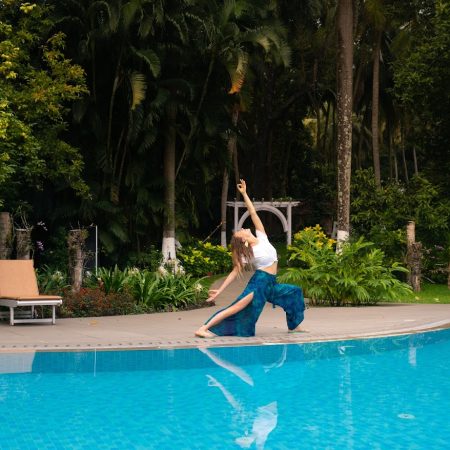
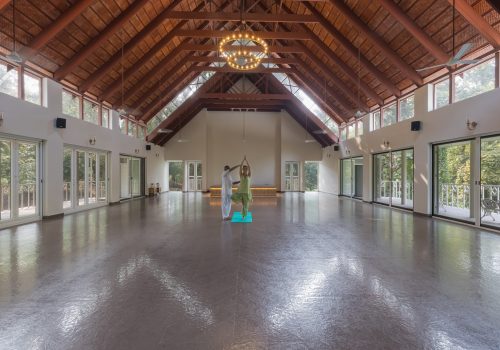
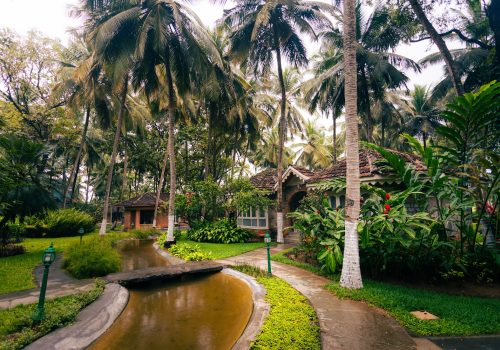
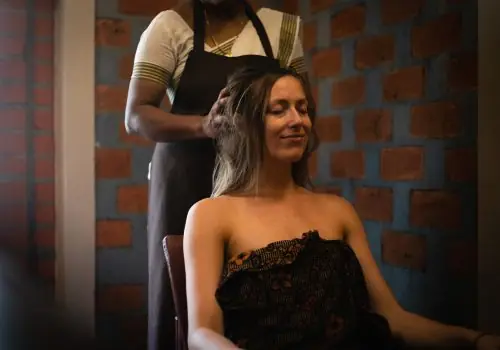
A typical winter day begins with warm water and a brief stretch, followed by morning light under the palms and a gentle yoga session. After a warm, seasonal breakfast, physician rounds tailor therapies for the day—perhaps abhyanga, localized steam, or nasya if appropriate. Lunch is simple and digestible, an afternoon tea pairs with calm breathwork, and dinner remains light and warm. The evening closes with a warm shower and a device-free hour before lights out, which protects sleep quality and mood.
Contraindications and Common-Sense Cautions
Strong heat or steam is adjusted for those with uncontrolled hypertension, migraines triggered by heat, or certain skin conditions. Abhyanga is limited on areas with open wounds or during specific dermatologic flares. Nasya is avoided during acute sinus infection, and most aggressive cleanses are deferred in pregnancy, severe anemia, bleeding disorders, or immediately post-surgery. This precision is part of our standard of care at a Kerala Ayurvedic retreat.
Why Choose Kairali This Winter
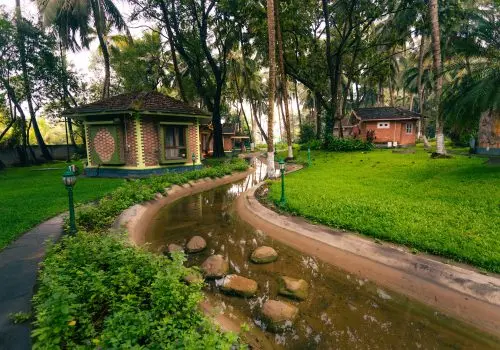
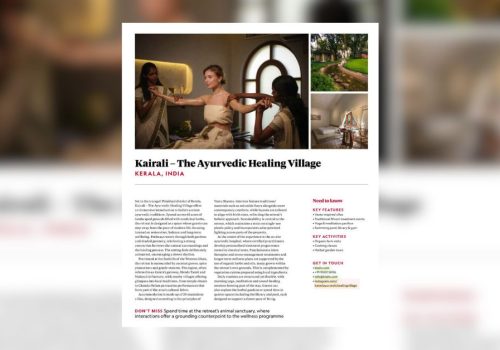
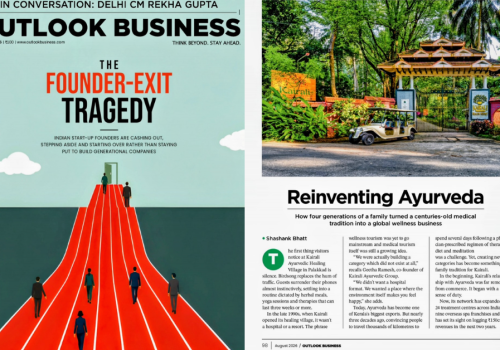
Kairali offers a tranquil campus, multi-generational Ayurvedic lineage, and a physician-led model that prioritizes safe, personalized care. For travelers comparing options across an Ayurvedic wellness Kerala landscape, the difference is our pacing and guardrails: daily consults, clear therapy boundaries, women-centered options, and honest recommendations—even when the safest plan is the gentlest one. If winter is your time to restore, we provide the setting and the systems to make that restoration durable.
Call to Action
Plan your winter stay, share your goals and medications with our physicians, and let us tailor a program that respects your context. Whether you visit for a measured reset or a carefully considered detox, your next step toward resilient winter health can begin at Kairali—an authentic home for Ayurvedic wellness Kerala and a trusted Kerala Ayurvedic retreat experience.
Website: www.ktahv.com
Call: +91-9555156156
About the Author
Dr. Rahul R is a dedicated Ayurvedic physician at Kairali – The Ayurvedic Healing Village, bringing over 7 years of clinical experience in holistic diagnosis and personalized healing. Known for his calm demeanor and patient-centered approach, Dr. Rahul excels in decoding the subtle intricacies of the human constitution through the lens of Ayurveda.
Dr. Rahul believes that every body speaks its own language—and that Ayurvedic wisdom offers the most intuitive way to listen. His practice is rooted in balance, sustainability, and self-awareness, empowering guests to take charge of their well-being beyond treatment. He combines classical diagnostic tools like Nadi Pariksha (pulse reading) with modern wellness insights to provide grounded and practical healing recommendations.