













What would it feel like to enter an Ayurvedic wellness getaway where safety is designed into every detail—before you even arrive?
Ayurveda can be profoundly restorative when it’s practiced with medical governance: licensed physicians leading consultations, therapy-specific contraindications checked up front, and clear integration with your existing medications and GP guidance. For solo women, that means predictable routines, informed consent, privacy-first accommodations, and women-centered options such as female therapists and discreet assistance after dark. This guide lays out exactly what to verify (credentials, SOPs, emergency pathways), who should pause or modify certain therapies, and how Western–Ayurvedic coordination keeps care coherent—so you can choose confidently between programs and plan an Ayurvedic wellness getaway that’s nurturing, respectful, and clinically aligned.
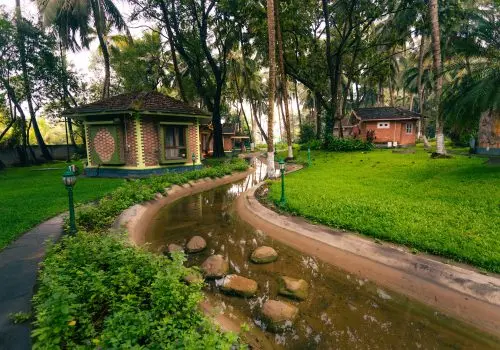
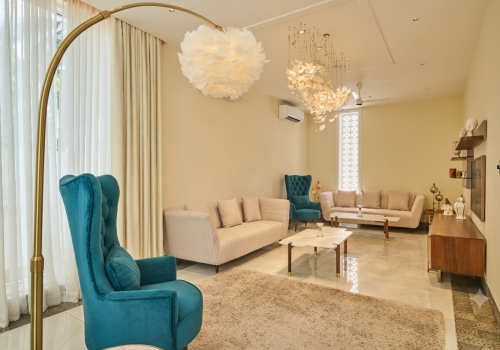
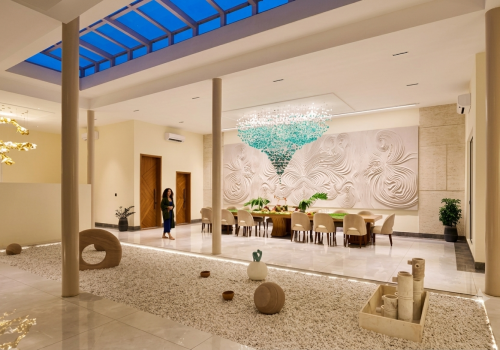
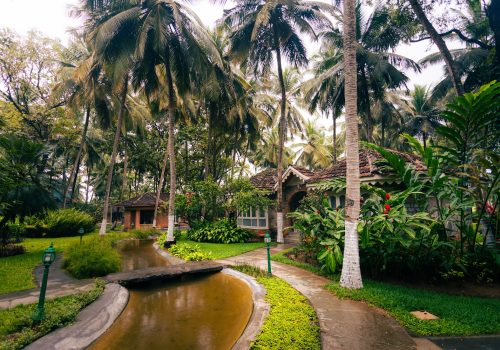
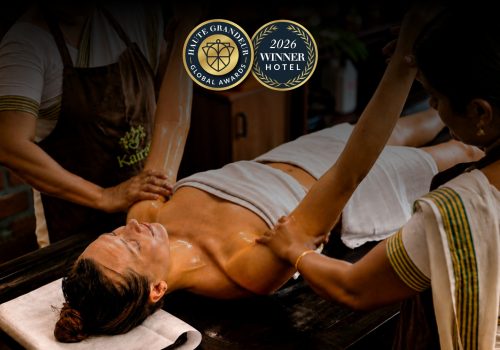
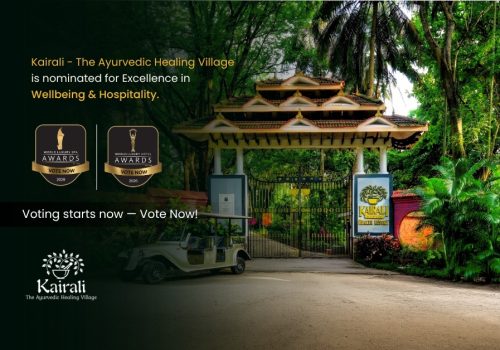
At Kairali – The Ayurvedic Healing Village in Palakkad, Kerala, these safeguards are everyday practice. Physician-led (BAMS/MD) consultations shape individualized plans, daily doctor rounds fine-tune therapies, and secure, private cottages anchor your sense of ease. Female therapist availability, well-lit pathways, documented hygiene protocols, and hospital linkages add a further layer of assurance. If you’re comparing options for an ayurvedic retreat kerala, Kairali’s heritage, transparency, and women-focused support explain why it’s often chosen as the best ayurvedic retreat in kerala—an ayurveda retreat kerala where your autonomy and wellbeing are non-negotiable.
What “Medical-Grade” Means at an Ayurveda Retreat
When searching for the best ayurvedic retreat in Kerala, think beyond ambience. Ask how the center operationalizes safety:
- Licensed Physicians (BAMS or MD-Ayurveda): Consults, diagnosis (prakriti–vikriti), and prescriptions must be doctor-led—not therapist-led.
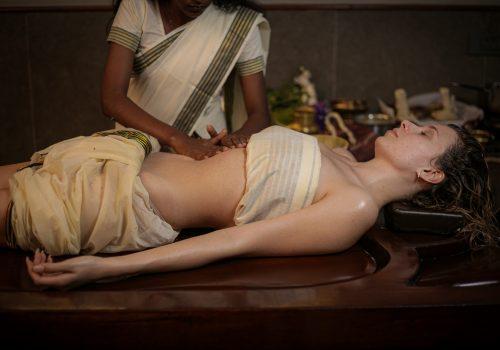
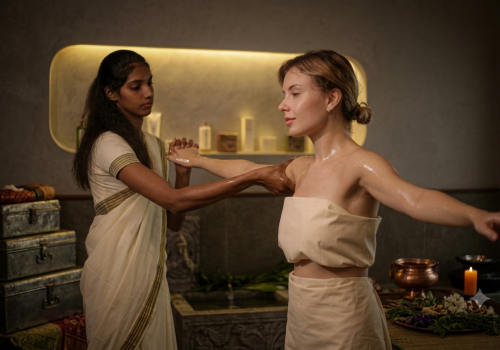
- Nursing/Therapy Governance: Trained therapists work from physician orders with checklists; female therapist option for female guests.
- Medication & Allergy Reconciliation: Your prescribed drugs, nutraceuticals, and allergies should be recorded and cross-checked for interactions with Ayurvedic formulations.
- Contraindication Gatekeeping: Pregnancy stage, uncontrolled hypertension, active infections, recent surgeries, bleeding disorders, severe anemia, and specific dermatologic or spinal conditions can alter or defer therapy.
- Emergency & Referral Linkages: Clear protocols for emergencies, with transport and nearby hospital coordination.
- Informed Consent & Daily Rounds: You should sign a consent form and receive daily check-ins adjusting therapy intensity.
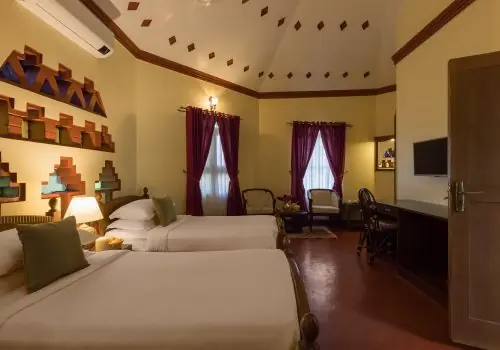
- Privacy & Security: Private, lockable accommodation; CCTV in common areas; secure transfer assistance; dedicated women’s support on request.
At KAHV: Expect a physician consult on Day 1, daily follow-ups, and a written plan tailored to your constitution, goals, and medical history—aligned with a tranquil, nature-rich campus that supports healing.
3) Credentials to Verify Before You Book
Use this Solo Women’s Safety & Quality Checklist to validate any ayurveda retreat kerala choice:
Medical & Professional
- Treating doctors hold BAMS (Bachelor of Ayurvedic Medicine & Surgery) or higher (MD Ayurveda). Request names and registration numbers.
- Therapists are formally trained; ask for female therapist availability.
- Pre-arrival medical intake form with review by a doctor.
- Written care plan and informed consent process.
Facility & Governance
- On-site doctor availability daily; escalation protocol for urgent care.
- Pharmacy/dispensary with labeled medicines, batch numbers, and storage norms.
- Hygiene SOPs: single-use linens where applicable, sterilization practices, and room sanitation schedules.
- Security measures: gated entry, assistance for late check-ins, and safe in room.
Guest Experience
- Single-occupancy or private cottage options; well-lit pathways.
- Clear code of conduct and grievance redressal.
- Transparent pricing and documentation of what’s included (consults, therapies, meals, yoga, meditation).
How KAHV aligns: Kairali’s physician-led model, structured SOPs, and women-centered options aim to make solo stays confident and comfortable—while honoring authentic practice.
4) Who Should Pause or Modify Ayurveda? (Contraindications)
Ayurveda is personalized. Some conditions require deferring or customizing treatments. Discuss these with the KAHV physician before booking:
Absolute/Temporary Deferrals
- First trimester of pregnancy; high-risk pregnancy at any stage.
- Acute febrile illness or active infection.
- Active bleeding disorders or immediately post-operative states.
- Severe dehydration or uncontrolled vomiting/diarrhea.
- Unstable cardiac conditions or recent cardiac events.
Relative Contraindications / Modifications
- Uncontrolled hypertension: Avoid intense steam or sudation and adjust oil selection accordingly.
- Severe anemia: Defer purgation and instead focus on rasayana therapies and nutritional support.
- Spinal disc prolapse / acute sciatica: Avoid forceful massage; preferably, employ gentle localized therapies combined with physiotherapy integration.
- Psoriasis / eczema flares: Carefully choose medicated oils and treatment schedules to prevent exacerbation.
- Migraine propensity: Monitor the use of heat-based therapies closely.
- Diabetes: Watch sugar content in decoctions while maintaining vigilant foot care.
- Anticoagulant / antiplatelet therapy: Modify pressure techniques and avoid procedures that increase bleeding risk.
- Severe anxiety or trauma history: Select soothing and predictable routines while providing trauma-informed care and pre-briefing.
Tip: Share your full medication list, cycle details, and prior therapy experiences. At KAHV, doctors adjust therapy intensity, temperature, and duration to match your physiology and safety profile.
5) How Ayurveda Integrates with Western Medicine at KAHV
Solo women often manage careers, travel, and complex health needs. Integration—not either/or—is key.
a) Pre-Arrival
- Digital health intake, prior labs (if available), medication list, red-flag screening.
- Optional coordination call with your GP/specialist (with your consent).
b) On Arrival
- Doctor consult: Ayurvedic assessment + review of Western diagnoses and medications.
- Baseline vitals; optional basic point-of-care checks as indicated.
c) During Stay
- Daily reviews; therapy titration.
- Symptom or vital changes trigger physician review; referral if needed.
- Nutrition integrates satvik, seasonal meals with any required medical dietary restrictions (e.g., low-sodium).
d) Discharge & Aftercare
- Written summary with Ayurvedic plan, suggested lifestyle routines, and a medication-safe herbal regimen where appropriate.
- Communication-ready brief for your GP; tele-follow-up options.
Outcome: You enjoy a restorative Ayurvedic wellness getaway while keeping your established medical care in the loop.
6) A Solo Woman’s Story: From Burnout to Balanced (Name changed)
Profile: “Anita,” 34, solo traveler, product manager. Concerns: insomnia, neck/shoulder pain, menstrual irregularity, high work stress. Meds: occasional NSAIDs, oral contraceptive pills.
What happened at KAHV:
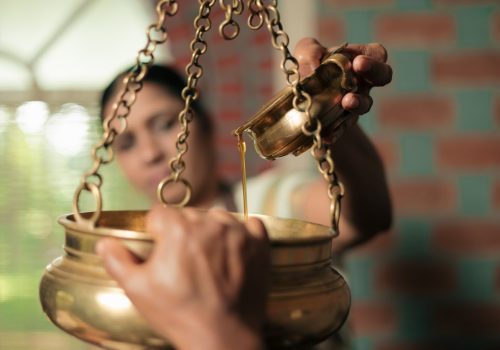
- Day 1: Consultation flagged heat sensitivity. Accordingly, the plan emphasized gentle snehana (oil application), localized abhyanga, mild sudation, yoga nidra, and breathwork.
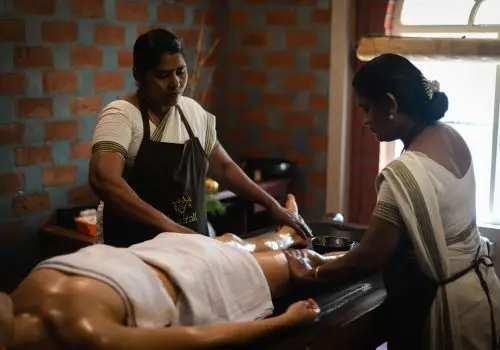
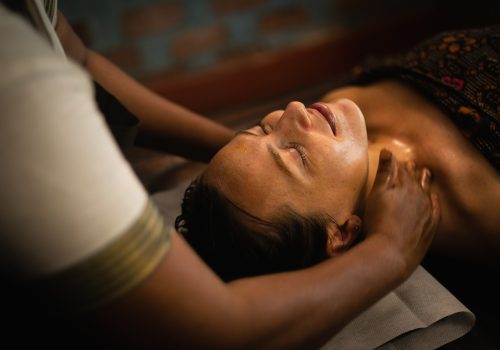
- Therapies were scheduled with female therapists, and a cottage near the main clinic was arranged for easy nighttime access.
- Meals were designed to be easily digestible and circadian-aligned, while caffeine intake was tapered with herbal alternatives.
- By Day 5, Anita reported deeper sleep, improved shoulder range of motion, and menses approaching without severe cramps.
- Discharge recommendations included a six-week home routine, ergonomic adjustments, and a GP note template.
Why it was safe: Clear contraindication checks, female therapist availability, consented plan, and alignment with her existing medication.
7) What a Typical Safe Day Looks Like at KAHV
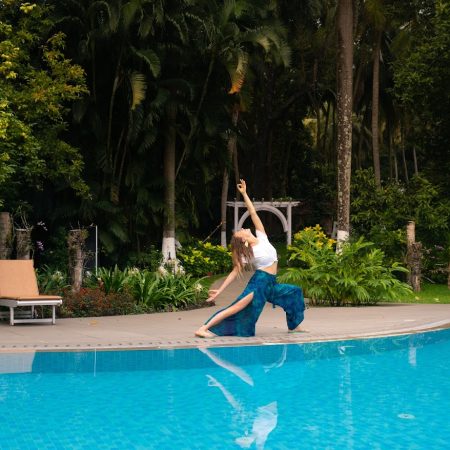
- 06:30: Gentle yoga (women-only option available on request).
- 07:30: Breakfast; hydration check-in.
- 09:00: Physician round; therapy adjustments.
- 10:00–12:00: Prescribed therapies (e.g., abhyanga + mild swedana).
- 12:30: Lunch; specific dietary guidance.
- 15:30: Mind–body session (yoga nidra/meditation/forest walk).
- 17:00: Herbal tea; journaling & sleep routine briefing.
- 20:30: Lights low; digital sunset; sleep by 22:00.
Solo safety layer: Escorts for late-evening movements if desired; helpline extension; clear signposting across the property.
8) Packing & Safety Checklist (Printable)
Documents & Health
- Passport, visas, travel insurance with health cover.
- Medication list + doses; allergies card.
- Recent labs (optional) if relevant to your condition.
Comfort & Privacy
- Modest, breathable clothing for therapies; spare undergarments.
- Personal lock for luggage; small torch for night walks.
- Swimwear appropriate for women-only pool hours (if applicable).
Communication
- Local SIM or roaming plan; emergency contacts list.
- GP’s email/phone for optional coordination.
Mind–Body
- Journal; light reading; sleep mask/earplugs if sensitive.
Pro Tip: Pack closed-toe sandals with good grip for garden paths; Kerala mornings can be dewy.
9) Frequently Asked Safety Questions
Q1: Can I request only female therapists?
Yes. At KAHV you can request female therapists and women-only yoga/mindfulness sessions where possible.
Q2: Is panchakarma safe for first-timers?
Only after physician evaluation. Many solo women begin with foundational reset programs before advanced detox.
Q3: I’m on prescription meds. Is that a problem?
Usually not. Bring your list; the physician will integrate and avoid herb–drug conflicts.
Q4: What about my period?
Certain therapies are modified or deferred during menstruation; comfort and cultural sensitivity are prioritized.
Q5: What if I feel overwhelmed or triggered?
Ask for a slower schedule, more grounding therapies, and predictable routines. Trauma-informed care is available—just tell your physician.
10) How to Choose the Best Ayurvedic Retreat in Kerala—A Solo Woman’s Lens
Use the S.A.F.E.T.Y. framework:
- S – Staff: Licensed doctors (BAMS/MD), trained female therapists, daily consults.
- A – Access: 24/7 assistance, secure campus, hospital linkages.
- F – Fit: Program aligns with your goals (sleep, stress, pain, digestion).
- E – Evidence-aligned: Intake, vitals, and reasonable integration with Western care.
- T – Transparency: Clear pricing, inclusions, and consent.
- Y – Your comfort: Privacy, accommodation choice, women-led options.
Why KAHV often ranks among the top choices for an ayurveda retreat kerala: Physician-led personalization, serene nature setting in Palakkad, and women-centered options make it a strong match for solo travelers seeking authentic care.
Final Thoughts
Safety in Ayurveda isn’t a promise—it’s a practice. With physician-led consults, therapy-specific contraindication checks, and clear integration with your existing medications, an Ayurvedic wellness getaway can be both restorative and responsibly governed. Whether you’re preparing at home or choosing deeper care at an ayurveda retreat kerala, look for verifiable credentials, informed consent, and women-centered options like female therapists and secure, private spaces.
For solo female travelers who want authenticity without compromise, Kairali – The Ayurvedic Healing Village brings tradition and clinical rigor together—one reason it’s often considered among the best ayurvedic retreat in kerala. When safety is designed into every step, calm follows naturally—and confidence does, too.
Website: www.ktahv.com
Call: +91-9555156156
About the Author
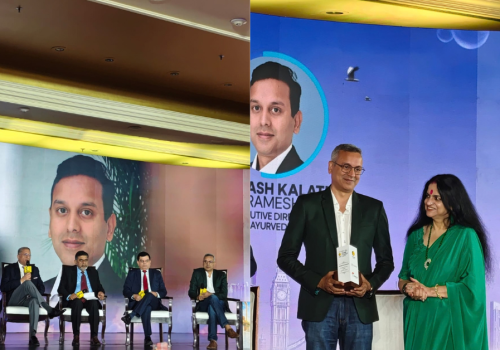
Abhilash K. Ramesh represents the new generation of Ayurvedic entrepreneurship. As a result of his role as Executive Director at Kairali Ayurvedic Group, he has been instrumental in expanding the global footprint of Ayurveda, notably setting up wellness centers, franchise partnerships, and integrative healing programs across more than 30 countries.
Furthermore, with a background in international business and a vision rooted in ancient healing wisdom, Abhilash focuses on aligning Ayurveda with modern wellness trends, tech-based health solutions, and integrative care models. Consequently, his thought leadership lies in bridging the East and West—thereby making Ayurveda relevant to contemporary global audiences.