










Kerala is one of India’s most traveler-friendly states—lush backwaters, clean beaches, high literacy, and a culture that values hospitality. Yet if you’re a woman planning a solo trip, it’s natural to worry about “getting it right”: dress codes, greetings, what’s acceptable vs. offensive, and how to blend in without stress.
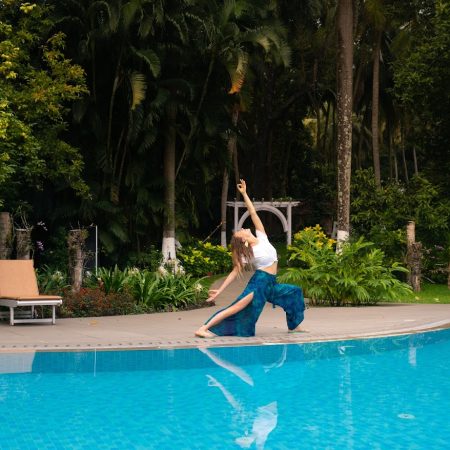
This 2025 guide answers exactly that. You’ll get clear etiquette rules, region-specific tips, temple do’s/don’ts, and safety-forward choices—plus how a Kairali retreat Kerala experience can anchor your journey with an authentic yoga and meditation retreat when you want restorative days between adventures.
Quick cultural snapshot
- Language: Malayalam (English widely understood in cities/tourist hubs)
- Religion & customs: Strong temple culture; churches and mosques are common; respect for all faiths is expected
- Climate: Tropical; modest breathable clothing works year-round
- Social vibe: Polite, reserved warmth; people will help if asked
Dress code: What feels respectful (and comfortable)
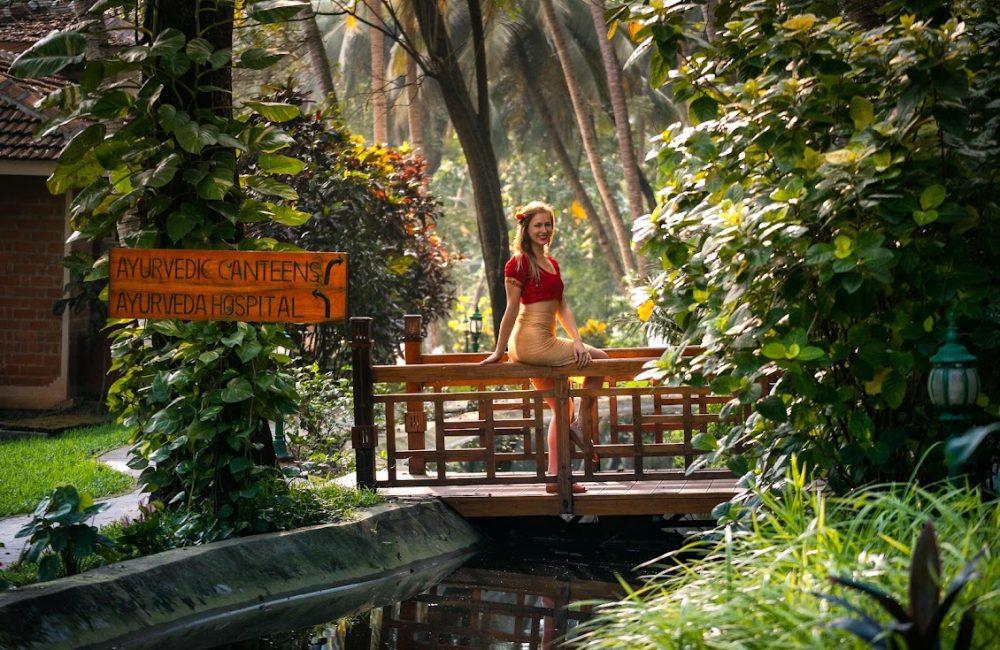
Kerala is progressive but modest in day-to-day wear—especially outside major city centers and beaches. The general rule: cover shoulders, cleavage, and knees in public spaces.
Great choices for solo female travelers (Kerala):
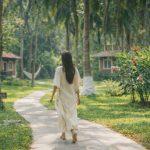
- Cotton/linen tops with sleeves (short or three-quarter) + loose trousers or long skirts
- Kurtas and churidars (salwar suits) with a light scarf/dupatta
- Maxi dresses with a light shrug; avoid deep backs/low necklines
- Comfortable sandals or closed flats (easy to remove at temples/homes)
Temple-specific dress notes:
- Many temples expect covered shoulders and legs; some require a dupatta or shawl.
- Footwear off before entering.
- Some traditional temples still follow stricter norms or entry rules—check the specific temple’s noticeboard/website or ask your host.
- Avoid leather items inside sanctums where noted.
Beach & resort wear:
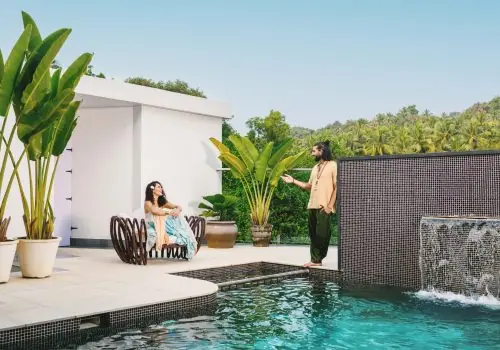
- On tourist beaches and resort pools, one-piece swimsuits or modest bikinis with a cover-up are usually fine; carry a sarong for the walk to/from the beach.
- For backwaters cruises or village walks, revert to modest daywear.
Pro tip: Pack light, breathable fabrics and do laundry every few days. Kerala’s humidity makes quick-dry gear your friend.
Greetings & first impressions
Polite reserve is appreciated.
- “Namaskaram” (nah-mah-SKAH-rum) with a smile works everywhere.
- A gentle “Hello, chechi/chetta” (older sister/brother) to shopkeepers can feel warm and respectful.
- Handshakes occur in professional settings; let others—especially elders—initiate.
- Avoid hugging or touching people you’ve just met unless they initiate.
When visiting homes:
- Bring a small gift (tea, sweets, or something from your country).
- Remove shoes at the door if you see others do it.
- Accept tea/coffee or water—decline politely if you must, but a small sip is culturally smooth.
Behavior basics: What’s acceptable vs. offensive
Use this quick matrix as your compass.
| Situation | Acceptable | Offensive / Best Avoided |
|---|---|---|
| Public affection | Light, brief gestures (a quick side hug with close friends in cosmopolitan areas) | Intense PDA; kissing in public spaces |
| Alcohol | Moderate drinking in licensed venues & resorts | Being visibly intoxicated in public; drinking near religious sites |
| Dress | Covered shoulders & knees in towns/temples | Midriff/outfits showing cleavage in traditional areas |
| Photography | Asking permission before close-ups; no photos inside sanctums | Photographing people (esp. women) without consent; photographing security/government areas |
| Conversation | Friendly small talk; asking for directions | Loud confrontations; sarcasm about faith/culture |
| Feet etiquette | Removing footwear in homes/temples | Pointing feet at deities/people’s heads |
| Queuing | Standing patiently; small crowds are normal | Cutting the line; pushing |
| Waste | Using bins; carrying back trash on hikes | Littering—deeply frowned upon |
Solo safety: Street-smart moves that locals use too
Kerala is comparatively safe, but the best trips blend openness with awareness.
- Transport:
- Use registered taxi apps or hotel car services.
- For late nights, pre-book a ride from restaurants or event venues.
- On ferries/backwaters, ensure life jackets are available.
- Navigation:
- Save offline maps.
- Share live location with a trusted contact; most accommodations are happy to help.
- Accommodation:
- Choose guesthouses/homestays with verified reviews.
- Women-only dorms are available in Kochi/Trivandrum/Kozhikode.
- Documents & cash:
- Digital payments are widely accepted; carry small cash for village purchases and temple offerings.
- Keep a passport scan and emergency numbers in your phone and with your host.
- Nightlife:
- Kerala is quieter after 10 pm outside city hubs. If you’re out late, stay in well-lit areas and move with a group or driver.
Temple etiquette: A 60-second checklist
- Dress modestly (covered shoulders/knees).
- Remove footwear at the entrance.
- Switch phone to silent; no calls inside.
- Don’t touch idols, priests, or ritual items unless invited.
- Follow the queue; prasad (blessed food) is accepted with the right hand or both hands.
- Photography rules vary—when in doubt, don’t.
- Respect any gender- or dress-specific notices posted on site.
Food & dining customs
- Traditional meals (like a sadhya) are served on a banana leaf; eating with the right hand is customary.
- Many families/restaurants are non-alcoholic; don’t bring your own unless asked.
- Kerala cuisine can be spicy—ask for “less spicy, please” if you’re heat-sensitive.
- Seafood freshness is a point of pride; if you’re vegetarian/vegan, options are abundant (idli, dosa, avial, thoran).
Markets, money, and modest bargaining
- Bargaining is gentle in Kerala compared to some regions. Ask, “Is there a best price?” with a smile.
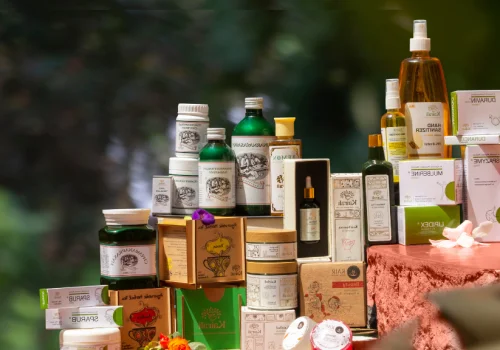
- Handloom saris, spices, and ayurvedic wellness products are authentic buys—choose reputable stores or your retreat’s boutique.
- Keep small bills for autos, snacks, and temple donations.
Women-led experiences you’ll love
- Kochi’s heritage walks with local historians
- Backwaters canoe at dawn with a women guide cooperative (available in some villages)
- Spice farm visit with cooking class
- Nature treks in Wayanad/Munnar with certified guides
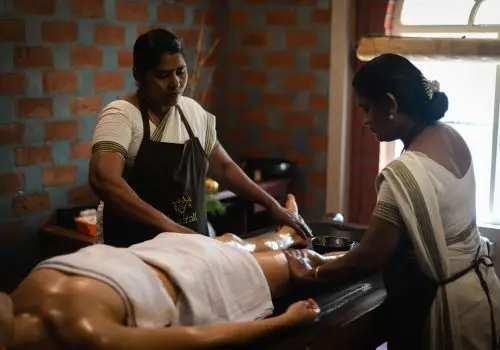
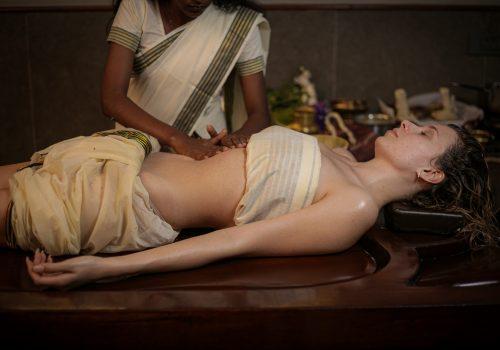
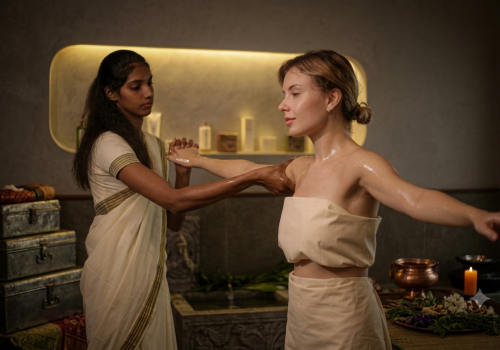
- Ayurvedic rejuvenation days at a yoga and meditation retreat to reset mid-trip
How a Kairali retreat Kerala can reduce “cultural anxiety”
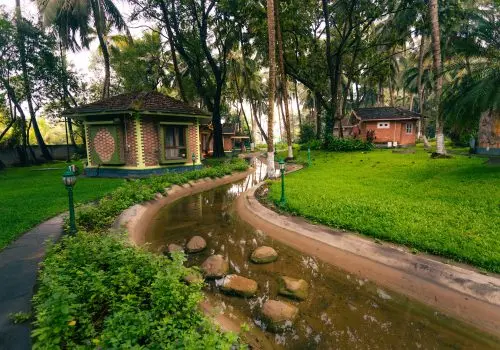
If you want a culturally anchored “base camp,” a Kairali retreat Kerala stay offers:
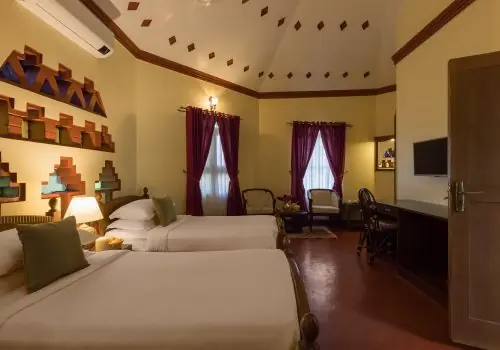
- Women-friendly accommodation layouts and staff used to hosting international guests
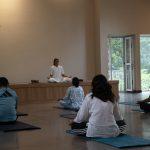
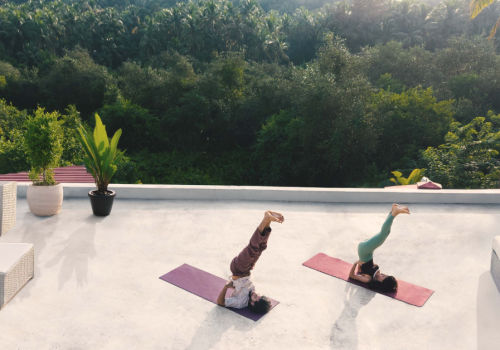
- Daily yoga and meditation to regulate jet lag and travel stress
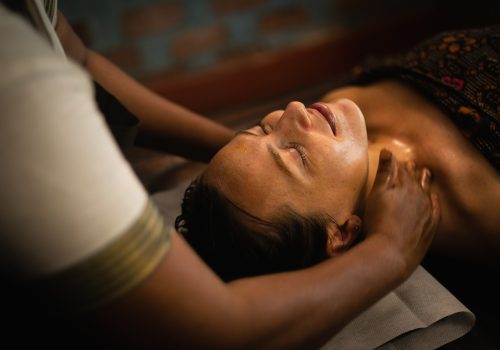
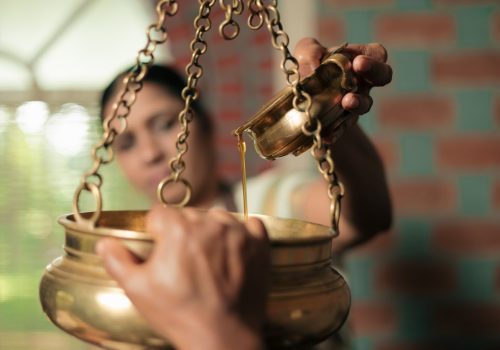
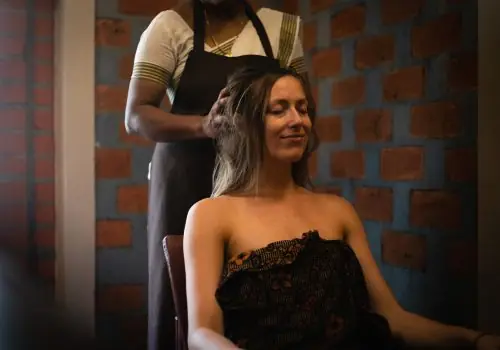
- Authentic Ayurvedic consultations to personalize diet, rest, and activity—ideal between treks or city days
- Cultural orientation sessions (greetings, dress, temple etiquette) that simplify your first 48 hours
- Curated excursions with vetted female guides and safe transport
Many solo female travelers Kerala find that starting with 2–3 nights at a yoga and meditation retreat gives them confidence to explore Fort Kochi, Alleppey, Munnar, and Kovalam with ease.
Micro-scenarios: What to do, exactly
On the local bus: Sit near other women if available. Keep your bag zipped and on your lap. Offer your seat to elders.
At a homestay: Ask, “Should I remove shoes?” Compliment the cooking—it’s a heartfelt point of pride.
At the beach: Wear a cover-up to and from the water. If you get unwanted attention, move closer to families or lifeguards—people will help.
When someone stares: It’s often harmless curiosity. A brief eye contact + neutral face + moving along works. If approached too closely, step into a shop/café and ask for help.
If you’re lost: Ask shopkeepers, café staff, or women traveling with families; people are generous with directions.
Local words that help (and delight)
- Namaskaram — Hello
- Nanni — Thank you
- Dayavaayi — Please
- Ivide engane povam? — How do I go here?
- Chechi/Chetta — Respectful term for older sister/brother
- Vendi — No/Not needed (polite refusal)
Even a few words spark smiles.
3-day “confidence builder” itinerary for solo female travelers (Kerala)
Day 1: Fort Kochi
- Chinese Fishing Nets at sunrise, St. Francis Church, Jew Town antique lanes
- Evening Kathakali dance—arrive early to watch makeup ritual
- Dinner at a women-friendly café; pre-book a ride back
2nd Day: Backwaters (Alleppey/Kumarakom)
- Morning canoe through village canals (ask your host for a reputable operator)
- Lunch of fresh fish or veg sadhya
- Sunset shikara ride; return to retreat
Day 3: Ayurveda + Culture
- Yoga and meditation retreat morning session
- Ayurvedic consultation and rejuvenating therapy
- Spice market shopping with staff tips on quality and prices
Anchor this with a Kairali retreat Kerala stay to simplify logistics, temple etiquette, and transport.
FAQs for anxious moments
Is Kerala safe for solo women at night?
Generally, yes in busy areas—still use app cabs, tell your accommodation your ETA, and avoid dark, isolated stretches.
Can I wear shorts?
In touristy cafes/beaches—yes, longer shorts are better. For towns/temples, switch to loose pants or skirts.
Do I tip?
Rounding up or 5–10% in restaurants is appreciated (check for service charge). Small tips for porters/boatmen.
How do I decline politely?
Smile + “Vendaa, nanni” (No, thank you). Repeat calmly if needed and walk away.
Can I travel during festivals?
Absolutely—Onam and temple festivals are spectacular. Expect crowds; follow posted rules and dress modestly.
Website: www.ktahv.com
Call: +91-9555156156