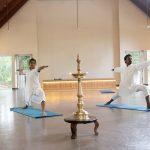


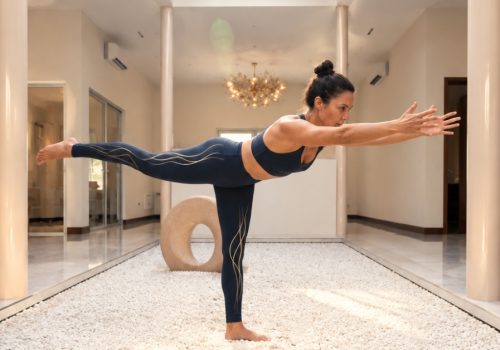
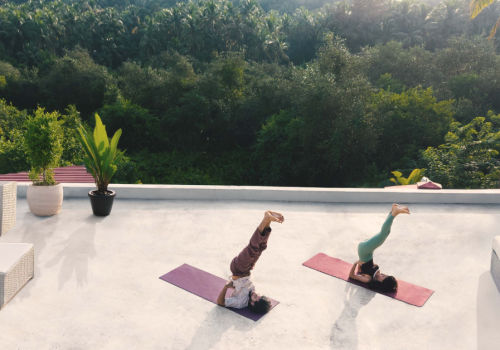














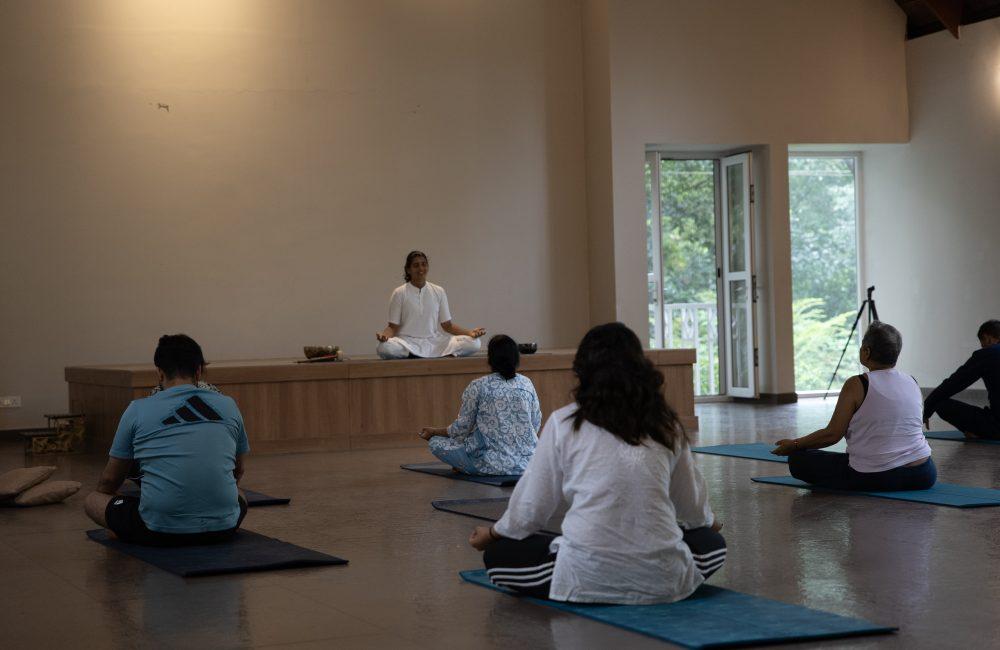
Researchers in Germany are running a multicentre randomized controlled trial comparing a yoga program versus health education for people with post-COVID-19 syndrome who have ongoing fatigue. The plan: 100 participants, each group receiving 12 weeks of structured, 90-minute supervised group sessions plus 60 minutes of weekly home practice. The primary outcome is fatigue reduction (Chalder Fatigue Scale) at 12 weeks; secondary outcomes include post-exertional malaise, quality of life, anxiety/depression, stress, sleep quality, grip strength, labs, and safety events.
Why this matters for recovery
Persistent fatigue after COVID can involve autonomic dysregulation, sleep disturbance, and stress reactivity. The trial’s design targets these with gentle, progressive movement + breath + relaxation, monitored over time—an approach we already use clinically in paced yoga for recovery.
Who this approach may suit
- Adults with lingering fatigue after COVID (≥12 weeks) seeking graded, supervised practice
- Those who need structured sessions plus brief home practice, not intense workouts
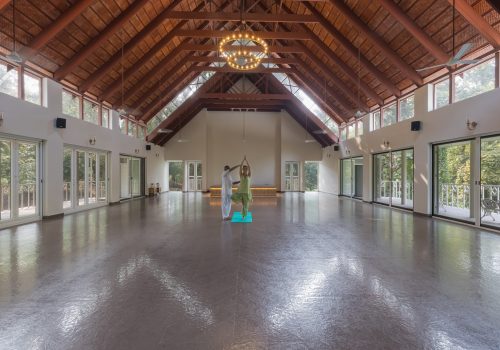
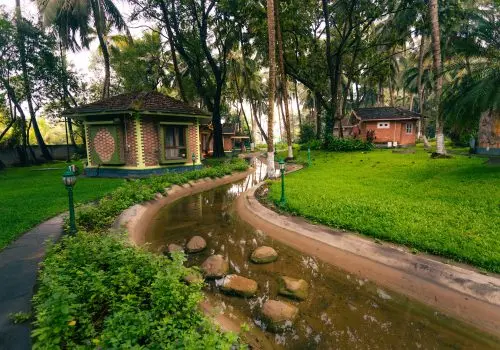
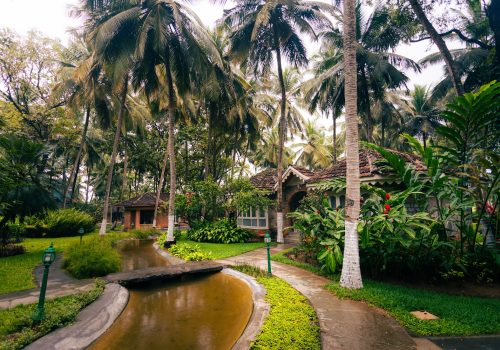
- Individuals wanting a Kerala yoga retreat setting that prioritizes rest, nervous-system balance, and measured progression
Always consult your healthcare provider. This content is educational and not medical advice.
How Kairali maps study elements to real-world care
- Dose & pacing: We mirror the trial’s cadence with 3–5 guided classes weekly, plus brief home protocols, adjusting load based on perceived exertion and post-exertional malaise checks.
- Outcome tracking: Simple fatigue and sleep check-ins (weekly), optional HRV/sleep-score logs.
- Safety: Red-flag screening, post-session symptom review, and modification/skip rules when energy dips.
Try it with us (packages & path)
Choose our Yoga & Meditation Programs at Kairali The Ayurvedic Healing Village (KTAHV):
- Gentle Recovery Track (7–14 days): Breath-led mobility, restorative postures, guided relaxation, sleep hygiene.
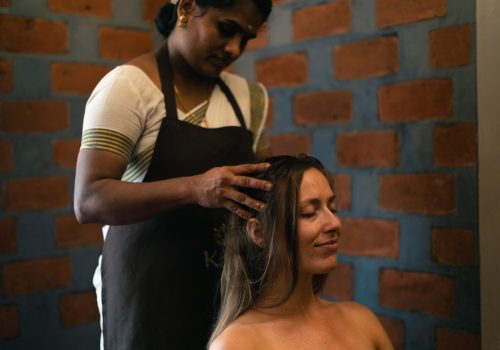
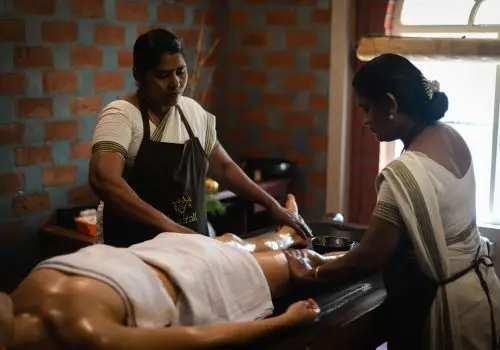
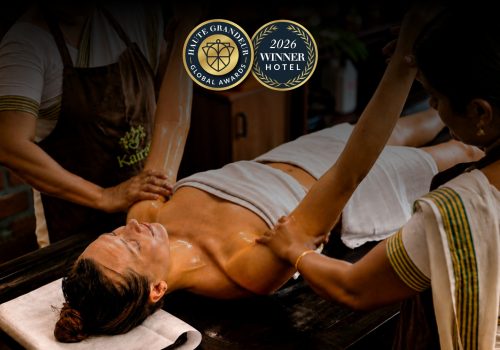
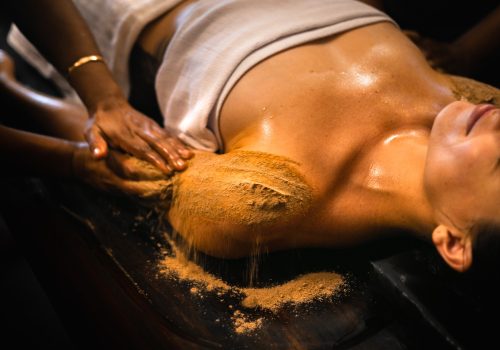
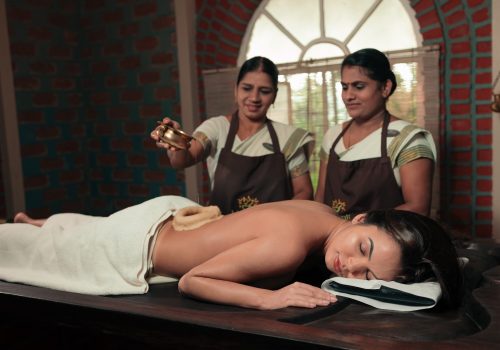
- Nervous-System Reset (14–21 days): Adds Yoga Nidra, paced pranayama, mindful walks, and abhyanga for relaxation support.
- Hybrid Follow-Through (12 weeks): On-retreat start + online continuity to approximate study duration.
Explore packages and dates: KTAHV Yoga & Meditation Programs
What a day can look like (sample)
- 7:00 AM: Gentle mobility + breath (30–40 min)
- Mid-day: Restorative set (20–30 min)
- 5:00 PM: Guided relaxation or Yoga Nidra (20–30 min)
- Evening: Sleep-prep breath + journaling (10 min)
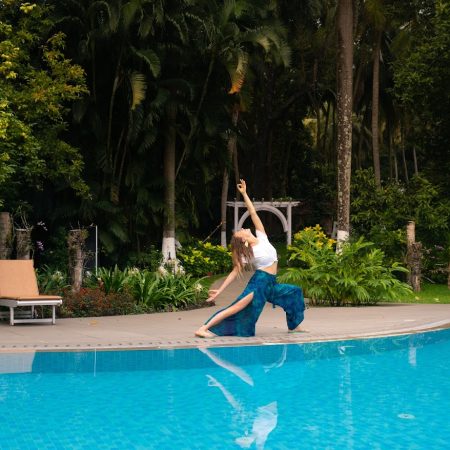
Restore your energy with a gentle, evidence-informed plan at our Kerala yoga retreat—part of KTAHV’s yoga and meditation retreat offerings. Turn your wellness yoga vacation into real recovery with therapist-guided sessions and paced home practice.
Website: www.ktahv.com
Call: +91-9555156156
About the Author
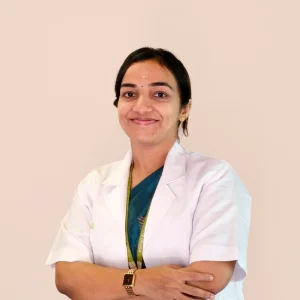
Dr. Ashikha Raj is a dedicated Ayurvedic physician and Resident Medical Officer (RMO) at Kairali – The Ayurvedic Healing Village. With over 8 years of hands-on experience, she brings a unique blend of classical Ayurvedic wisdom and modern therapeutic sensibilities to her clinical practice. She is known for her empathetic patient care, methodical diagnosis, and ability to create deeply personalized wellness journeys rooted in the ancient science of Ayurveda.