



























What Is Yoga Nidra?
Yoga Nidra (“yogic sleep”) is non-sleep deep rest: you lie down, remain awake, and follow a guided sequence—body scanning, breath awareness, gentle imagery, and effortless witnessing. It down-shifts the nervous system and often improves nighttime sleep, even though the practice itself is not sleep.
How It Differs from Sleep or “Just Napping”
- Intent & structure: you’re consciously guided
- Stages: rotation of awareness → breath regulation → effortless awareness
- Outcome: calm alertness after practice; fewer stress spikes across the day
Why Ayurveda Cares
- Vata soothing: slow breath and steady body awareness settle erratic vata
- Agni support: a calmer system stabilizes digestion and evening hunger
- Ojas building: deep rest + warm oils + sattvic diet nourish vitality
- Ritucharya fit: during dry/windy seasons or travel, Nidra is high-leverage
Who Benefits Most
- Overactive mind, wired-tired evenings
- Shift-work fatigue or jet lag
- Post-illness recovery and burnout prevention
- Beginners who struggle with seated meditation
Caution: avoid unsupervised practice during acute trauma processing or active psychosis; modify if dizziness occurs lying supine. If pregnant or managing chronic conditions, practice with a qualified guide.
Try This Tonight: A 20-Minute Yoga Nidra
Set-up (2 min): Lie on your back, support knees, light blanket, device on Do-Not-Disturb.
1) Intention (30 sec): One felt sentence in present tense (e.g., “I sleep with ease.”).
2) Body Rotation (5 min): Awareness travels: right thumb → fingers → palm → arm → shoulder … then left side; then toes upward. No movement needed.
3) Breath Shaping (4 min): Inhale 4, exhale 6; silently count 20 breaths down to 1.
4) Pairs of Opposites (3 min): Sense heaviness → lightness; warmth → coolness.
5) Gentle Imagery (3 min): Safe place or nature scene.
6) Restful Awareness (2 min): No effort—just notice.
Return (30 sec): Deepen breath, wiggle fingers/toes, roll right, sit up slowly.
Repeat 4–5 nights/week for two weeks; jot one line in a journal after each session.
Dosha-Smart Tweaks
- Vata: heavier blanket; 2 minutes of warm sesame oil foot rub before practice; emphasize longer exhales
- Pitta: cool, dim room; add “forehead softening” cue; avoid competitive self-talk
- Kapha: practice earlier in the evening; finish with 1–2 minutes of seated breath to avoid grogginess
How We Run Nidra Inside Our Retreats
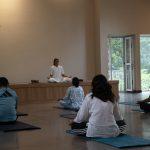
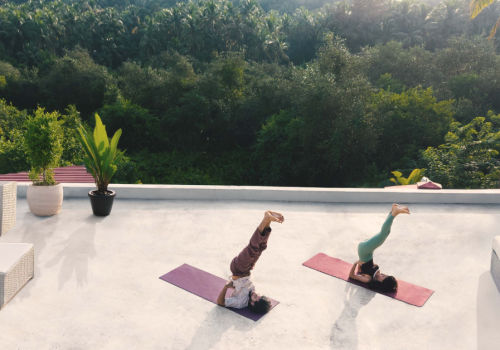
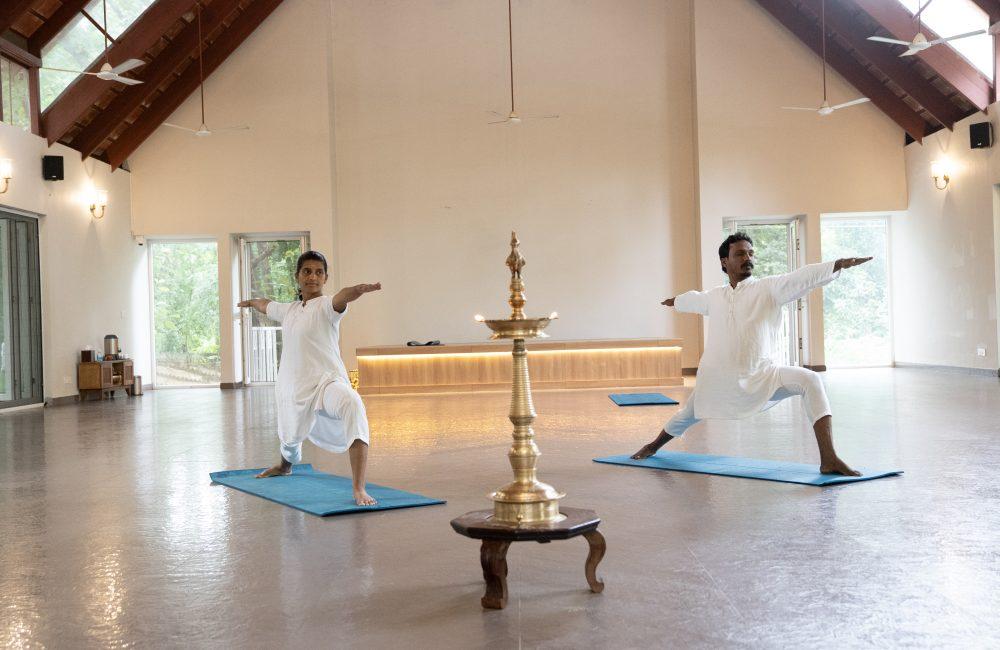
At the Kairali – The Ayurvedic Healing Village, Yoga Nidra is a staple of our yoga and meditation program:
Sample Daily Flow
- 7:00 AM: Gentle asana + breath
- 12:30 PM: Sattvic lunch + mindful walk
- 5:30 PM: Yoga Nidra (25–30 min)
- 6:15 PM: Herbal tea + journaling prompt
- 7:00 PM: Early dinner, device sunset
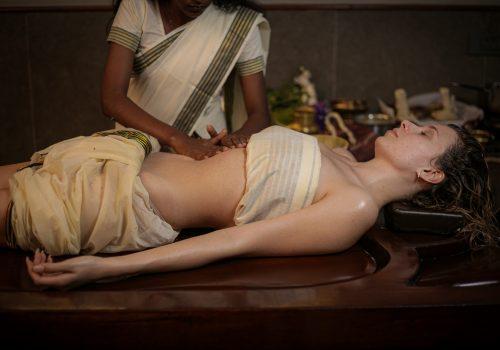
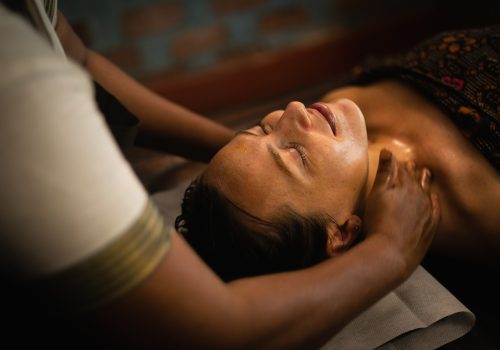
Practitioner-recommended add-ons: abhyanga, shirodhara, tailored herbs, and a structured yoga and meditation retreat curriculum for stress and sleep.
Conclusion
Ready to experience deep, restorative rest? Book a discovery call to join our yoga and meditation retreat at the Best Ayurvedic retreat in Kerala, or start a personalized yoga and meditation program online; our team will match you to the right path—sleep recovery, burnout reset, or prevention—and help plan your stay at our flagship yoga retreat in Kerala.
About the Author
Gita Ramesh is a globally respected figure in the world of Ayurveda, known for her groundbreaking work in Ayurvedic spa therapies, wellness hospitality, and diet-based healing. As the Co-Founder and Joint Managing Director of Kairali Ayurvedic Group, she has played a pivotal role in shaping Kairali’s unique blend of traditional Ayurvedic healing with modern wellness sensibilities.
A passionate advocate of holistic living, Mrs. Ramesh is also the celebrated author of “The Ayurvedic Cookbook”, which reintroduces food as medicine through Ayurvedic nutrition. Her deep knowledge of Panchakarma, therapeutic wellness, and women’s health has inspired global audiences to embrace Ayurveda as a sustainable lifestyle practice.