








Stroke recovery is rarely a straightforward process. Here is how Ayurveda traditionally approaches physical and emotional well-being, and what patients should understand before considering complementary care.
A stroke can change everyday life in a matter of minutes. Walking across a room, holding a cup or speaking clearly may suddenly become difficult. For some people, recovery progresses steadily. For others, even small improvements take months of rehabilitation.
This uncertainty often leads patients and families to explore additional approaches, including Ayurveda.
But an important question deserves attention: What can Ayurveda realistically offer someone recovering from a stroke?
Ayurveda has a traditional understanding of paralysis and physical impairment. It also places considerable attention on daily routines, food, rest and individual well-being. However, these traditional approaches should not be confused with scientifically established neurological rehabilitation.
Understanding the difference is essential.
Why Stroke Recovery Takes Time
A stroke occurs when blood flow to part of the brain is interrupted or when a blood vessel in the brain ruptures. The resulting damage can affect movement, speech, memory, balance and other functions.
Recovery depends on several factors, including the location and severity of the stroke, the person’s overall health and access to rehabilitation.
Modern stroke rehabilitation may involve physiotherapy, occupational therapy, speech therapy and psychological support.
An important principle behind rehabilitation is neuroplasticity, the brain’s ability to reorganise some of its functions through learning and repeated activity.
According to the American Stroke Association, rehabilitation aims to help stroke survivors regain skills, improve independence and return to daily activities as far as possible.
Progress does not follow a fixed schedule. Some improvements may occur within weeks, while others develop over months or years.
How Ayurveda Traditionally Understands Paralysis
In classical Ayurveda, paralysis affecting one side of the body is commonly discussed under Pakṣāghāta, a condition associated with an imbalance of Vāta doṣa.
Vāta is one of Ayurveda’s three principal functional concepts. Traditionally, it is associated with movement and bodily activity.
Ayurvedic practitioners may also consider several interconnected concepts when assessing a person’s general condition:
- Agni: The traditional concept of digestive and metabolic function.
- Āma: A term used in Ayurveda for improperly processed metabolic material. It should not be equated with scientifically identified toxins.
- Srotas: Channels described in Ayurvedic physiology.
- Vāta imbalance: A traditional framework used to interpret disturbances involving movement and bodily function.
These concepts belong to Ayurveda’s traditional medical model. They do not provide a modern neurological explanation of stroke or replace the diagnosis established through medical examination and brain imaging.
For readers interested in Ayurveda, the distinction matters. Traditional knowledge can be studied and understood without claiming that its physiological explanations have been validated by modern neuroscience.
What Does an Ayurvedic Approach Involve?
An Ayurvedic consultation traditionally examines more than the immediate physical complaint.
Practitioners may assess digestion, sleep, appetite, daily habits, physical strength and the individual’s constitution, known as prakṛti.
Depending on the person’s health status, traditional Ayurvedic care may include external oil applications, dietary guidance, rest routines and supervised practices.
Several procedures commonly associated with Ayurveda are worth understanding.
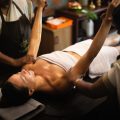
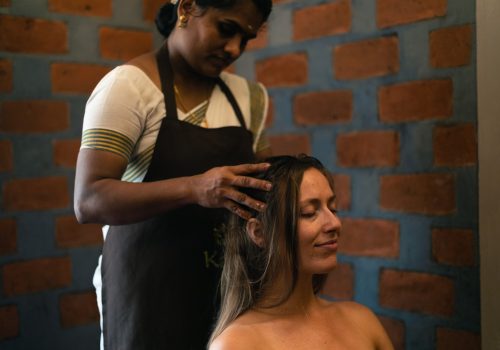
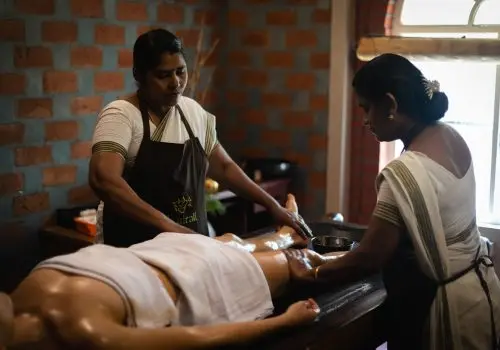
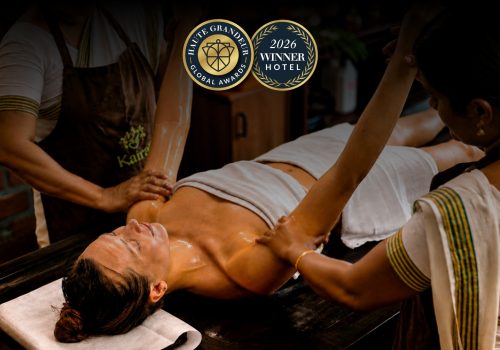
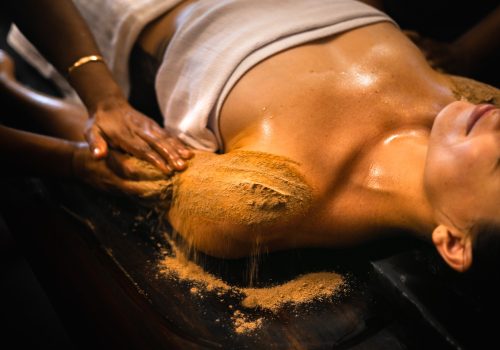
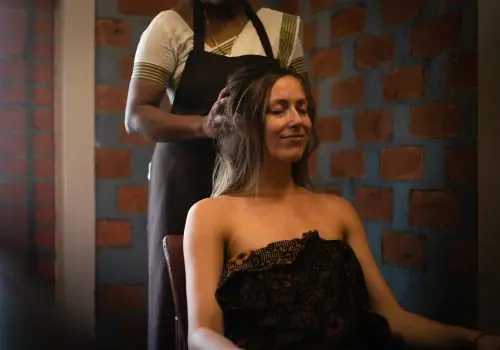
Abhyanga: Medicated Oil Massage
Abhyaṅga involves the application of oil through a structured massage technique.
In Ayurvedic practice, oils and methods are selected according to the individual’s assessment.
Massage may be experienced as relaxing or comforting, but there is insufficient reliable evidence to conclude that Abhyanga restores movement or repairs neurological damage after a stroke.
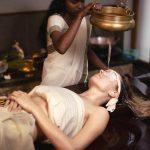
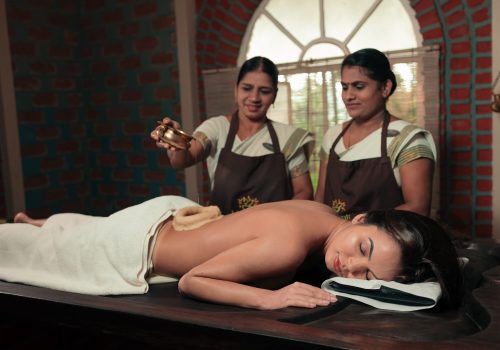
Shirodhara: A Traditional Oil-Based Procedure
Śirodhārā involves a controlled stream of liquid, commonly oil, flowing over the forehead.
It is traditionally associated with relaxation and calming practices.
Although researchers have explored Shirodhara in other health contexts, evidence is insufficient to establish its effectiveness for stroke rehabilitation.
Kizhi and Pizhichil
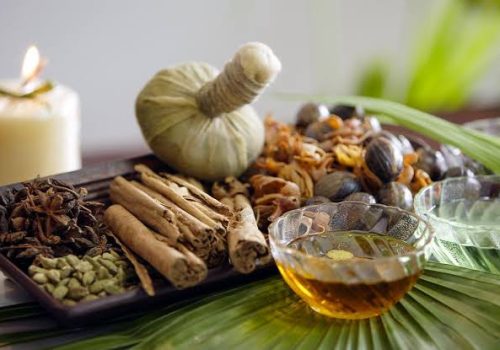
Kizhi involves the external application of warmed herbal bundles, while Piḻiccil combines warm oil application with massage techniques.
Both belong to traditional Ayurvedic body-care practices.
They should not be described as proven methods of stimulating damaged nerves, restoring circulation within the brain or reversing paralysis.
In people recovering from stroke, sensory changes, skin vulnerability, impaired mobility and other medical conditions may also affect whether such procedures are appropriate.
Why Conventional Rehabilitation Remains Essential
Stroke rehabilitation is built around activities that address the person’s particular impairments.
Physiotherapy may focus on walking, balance and movement. Occupational therapy helps people practise everyday activities such as dressing, eating and bathing. Speech and language therapy addresses communication and swallowing difficulties where necessary.
These interventions are supported by established rehabilitation principles and clinical guidance.
Ayurvedic practices, where considered, should remain complementary and must not displace prescribed rehabilitation, medication or medical follow-up.
This is especially important because recovery is not limited to restoring movement. Stroke survivors may also experience fatigue, anxiety, depression, sleep difficulties and changes in confidence.
A comprehensive rehabilitation plan considers these wider needs.
What Does Scientific Research Say About Ayurveda?
The scientific evidence supporting Ayurveda varies considerably across different practices and health conditions.
Some Ayurvedic interventions have been investigated in clinical studies. However, findings in one condition cannot automatically be applied to stroke recovery.
The US National Center for Complementary and Integrative Health (NCCIH) notes that evidence for many Ayurvedic approaches remains limited, with relatively few high-quality clinical studies.
At present, there is not enough reliable evidence to establish that Panchakarma, medicated oil therapies or Ayurvedic herbal preparations improve neurological recovery following a stroke.
Nor is there convincing evidence that Ayurvedic detoxification restores damaged brain tissue or prevents another stroke.
This does not mean every traditional practice is without value. It means claims about specific medical outcomes require appropriately designed clinical trials.
A positive experience with a traditional therapy is not the same as evidence of neurological recovery caused by that therapy.
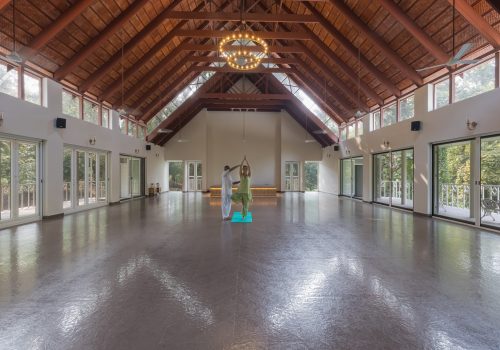
Can Yoga Be Part of Post-Stroke Care?
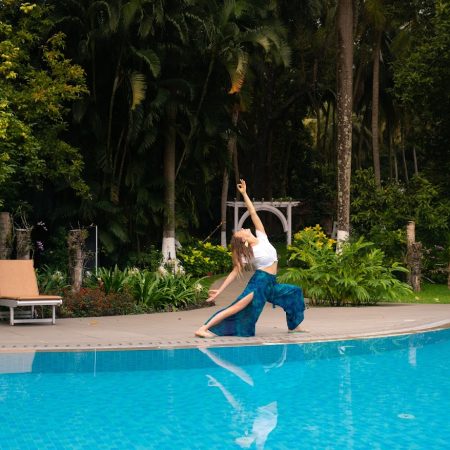
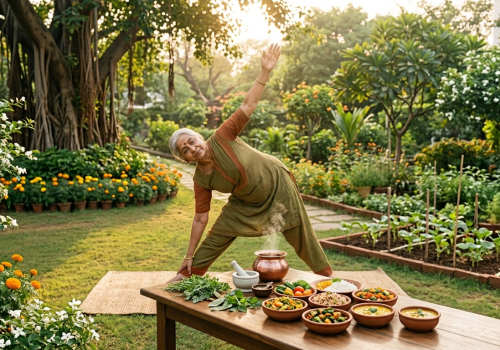
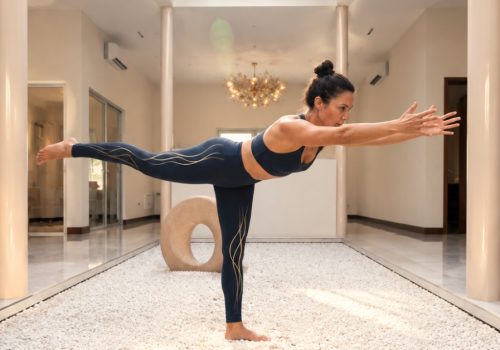
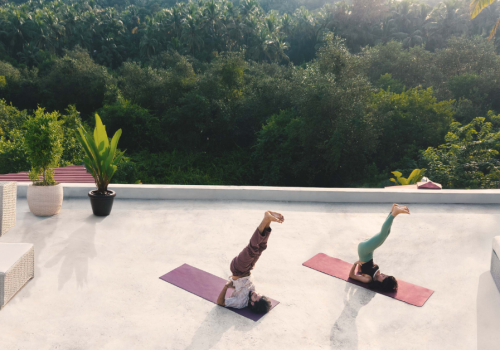
Yoga includes movement, breathing practices and relaxation techniques. Some elements may be adaptable for people with physical limitations.
However, stroke survivors have different levels of strength, balance, coordination and cardiovascular stability.
A practice suitable for one person may be unsafe for another.
Where yoga is considered, it should be adapted by suitably qualified professionals in coordination with the person’s rehabilitation team.
It should not replace physiotherapy or be presented as a method of repairing injured brain tissue.
Breathing and relaxation practices may be considered as part of broader well-being support, provided the treating medical team considers them appropriate.
Safety Comes Before Any Complementary Therapy
Stroke survivors may take medicines to reduce the risk of another stroke, including antiplatelet medicines, anticoagulants and treatments for underlying cardiovascular conditions.
Some herbal products can interact with prescribed medicines. Product quality is another consideration: the NCCIH has warned that certain Ayurvedic preparations may contain potentially harmful levels of heavy metals.
External treatments may also require precautions, especially where there is reduced sensation, fragile skin, unstable blood pressure or significant mobility impairment.
Before introducing any complementary approach, patients and families should discuss it with the treating physician.
An Ayurvedic practitioner should also be informed about the patient’s medical history, prescribed medicines, current rehabilitation plan and any relevant restrictions.
Understanding Kairali’s Ayurvedic Approach
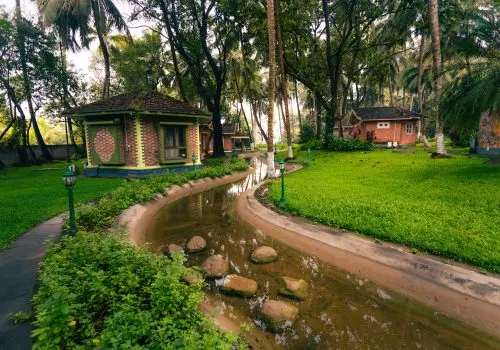
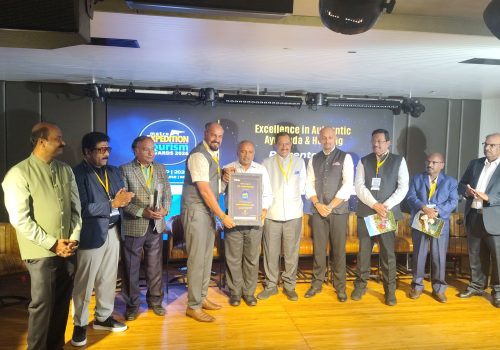
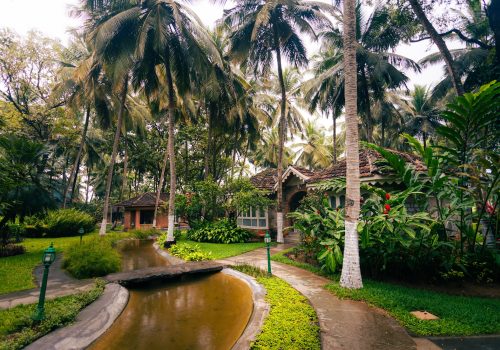
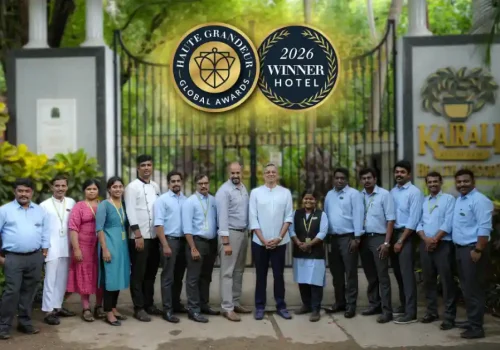
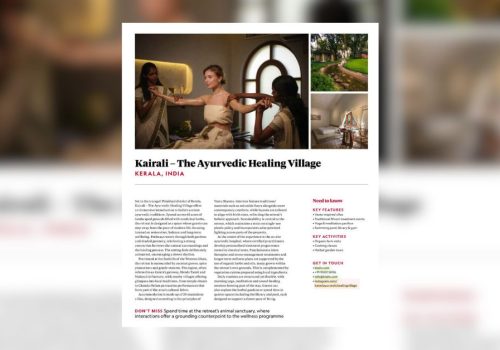
Kairali, The Ayurvedic Healing Village, located in Palakkad, Kerala, is an NABH-accredited Ayurvedic hospital with the Government of Kerala’s Green Leaf Certification.
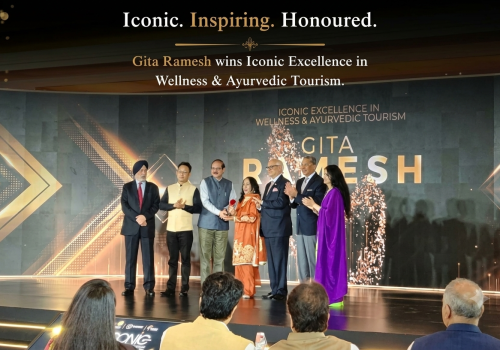
Kairali Ayurvedic Group was founded in 1989 by K.V. Ramesh and Gita Ramesh, drawing on four generations of Ayurvedic practice in the founders’ family.
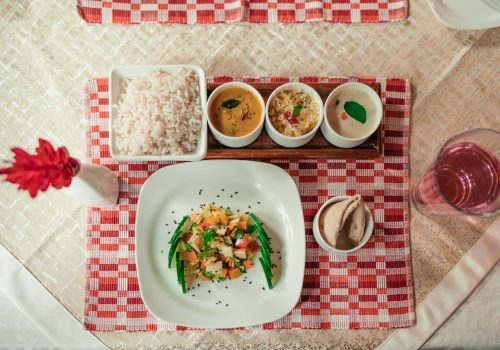
The Healing Village’s approach to Ayurveda is physician-led, with individual assessments informing the selection of traditional practices, daily routines and dietary guidance.
For people with a history of stroke, the relevant question is not whether a standard Ayurvedic programme can produce recovery within a prescribed number of days.
It is whether any proposed complementary practice is appropriate for their present health, compatible with their medical care and supported by a realistic understanding of its limitations.
The length of a stay or the number of treatments received should never be presented as a guarantee of improvement in movement, speech or independence.
Questions to Ask Before Considering Ayurveda After a Stroke
Patients and their families should have clear answers to a few practical questions:
- Has the treating neurologist or rehabilitation physician approved the proposed complementary care?
- What qualifications does the Ayurvedic practitioner hold?
- Which practices are being considered, and what is their intended purpose?
- Are there potential interactions with current medications?
- Will the existing physiotherapy, occupational therapy or speech rehabilitation continue?
- What evidence supports the proposed practices, and what outcomes should not be expected?
Clear communication between practitioners matters more than the number of therapies included in a programme.
Recovery Is More Than a 30-Day Timeline
The appeal of a fixed recovery programme is understandable. When progress feels slow, the promise of a clear timetable can be reassuring.
But the brain does not recover according to a retreat calendar.
Stroke rehabilitation is an individual process that may extend over months or years. Meaningful goals can include greater independence, improved communication, safer movement or learning new ways to manage daily tasks.
Ayurveda offers a traditional perspective on routines, nourishment, rest and individual care. Its possible complementary role deserves careful examination, without overstating the evidence.
For patients and families, the most useful approach is one that keeps proven medical care central while evaluating any additional practice for safety, suitability and realistic benefit.
Learn about the Ayurvedic practices and physician-led approach at Kairali, The Ayurvedic Healing Village. Any complementary care following a stroke should be discussed with the treating neurologist and a qualified Ayurvedic practitioner.
Website: www.ktahv.com
Call: +91-9555156156