



















You book a premium wellness stay expecting peace, cleanliness, and care.
But instead you find a “temporarily closed” pool, damp-smelling rooms, slippery bathroom floors, and—worst of all—pest sightings in service areas.
At that moment, it’s not just disappointment. It’s a trust issue.
Because in Ayurveda, healing is not only about therapies—it’s about the environment your body is exposed to every day: air, water, surfaces, linens, food hygiene, and safety. That’s why at Kairali – The Ayurvedic Healing Village, hygiene and upkeep are treated as non-negotiable clinical support systems, not cosmetic hospitality features—especially for families, luxury travelers, and safety-conscious guests seeking a genuine Holistic wellness retreat in a trusted Kerala Ayurveda destination.
Why this matters at an Ayurveda retreat
At an Ayurveda retreat, guests often undergo detox-focused programs, immunity-building therapies, and restorative routines. When maintenance is poor, even small lapses—like dampness, unclean vents, or unsafe wet areas—can affect comfort, outcomes, and safety.
This is why choosing the right Palakkad Ayurveda retreat is not only about the rooms or views. It’s about whether the property’s hygiene culture supports healing.
The maintenance crisis—and how it becomes a health & safety risk
When upkeep is neglected, the risks show up fast:
Health risks
- Dampness and mold triggers (allergies, headaches, respiratory irritation)
- Skin and eye irritation from poorly maintained pools/steam areas
- Hygiene gaps in linens and wet zones increasing microbial exposure
Safety risks
- Slip-and-fall hazards in bathrooms, therapy areas, pool decks
- Broken steps, poor lighting, loose rails, uneven pathways
- Lack of signage and preventive checks—especially risky for kids and seniors
At a true healing retreat, your nervous system should settle, not stay alert.
What NABH hygiene thinking means for guests
Even if a wellness retreat isn’t a hospital, NABH-aligned hygiene principles are a useful benchmark because they focus on:
- documented cleaning and disinfection routines
- safe waste handling
- staff training and accountability
- preventive maintenance and safety checks
- consistent monitoring (not “when complaints happen”)
In other words: not “we clean,” but how, how often, and with what checks.
Red-flag checklist before you commit money
Use this quick checklist when shortlisting any Kerala Ayurveda destination:
Room red flags
- damp smell / stains / peeling paint
- dusty vents, sticky surfaces
- wet bathroom corners, slow drainage
- stained linens, towels that never feel fully dry
Property red flags
- pool closed often, cloudy water, broken tiles
- slippery floors without anti-skid mats
- overflowing waste bins, open service doors, pests
- poorly lit walkways, uneven paths
System red flags
- vague answers to hygiene questions
- visible understaffing in housekeeping
- no safety signage near wet areas
- no clear escalation system if you report an issue
How Kairali – The Ayurvedic Healing Village approaches hygiene & safety
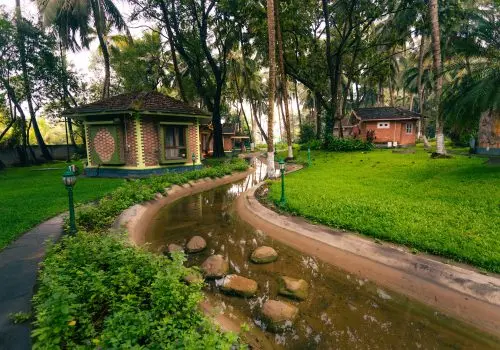
At Kairali – The Ayurvedic Healing Village, hygiene is not separated from wellness—it is built into the retreat experience because clean, safe surroundings directly impact rest, recovery, and confidence in care.
Here’s what this looks like in real terms:
1) Preventive maintenance as a daily discipline
Instead of waiting for breakdowns, Kairali focuses on proactive checks—especially in areas that impact guest safety and comfort (rooms, bathrooms, pathways, therapy blocks, dining zones).
2) Wet-area safety is treated as high priority
Bathrooms, therapy wash areas, and pool/steam zones are where most injuries occur in hospitality. Kairali emphasizes:
- slip-risk prevention (anti-skid focus where needed)
- routine inspections
- quick correction of hazards (tiles, drainage, seepage)
3) Linen & laundry hygiene is handled with consistency
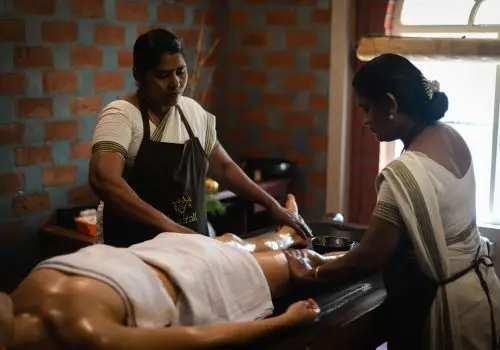
In a wellness setting, linens touch the body every day. That’s why clean handling, washing, drying, and storage discipline matter—especially in Kerala’s humid climate.
4) Pest prevention is approached as a system, not a reaction
Pest sightings usually indicate gaps in waste handling, storage hygiene, drainage, or entry points. Kairali’s approach is prevention-first: cleaner service flows, disciplined waste management, and regular monitoring.
5) Staff accountability and SOP-based hygiene
Great hygiene isn’t accidental—it’s repeatable. Kairali uses zone-based checklists and staff responsibility systems so standards stay consistent even during high-occupancy periods.
What this means for you: you’re not just buying a stay—you’re entering a controlled healing environment designed to support your program.
The real cost of cutting corners (why cheap maintenance becomes expensive)
When facilities compromise hygiene and upkeep, guests often pay through:
- infections or skin flare-ups
- injuries from wet areas or broken infrastructure
- wasted days (avoiding pool, steam, gym, therapies)
- disrupted sleep and stress
- extra expenses (medical visits, relocation, shortened trip)
A retreat should leave you better than you arrived—not managing avoidable problems.
Questions to ask before booking (especially for families & safety-focused guests)
If you’re booking a Palakkad Ayurveda retreat or any Holistic wellness retreat, ask:
Hygiene & cleaning
- How often are rooms deep-cleaned vs. daily cleaned?
- How are bathrooms and wet zones sanitized?
- How are linens washed, dried, and stored in humid weather?
Maintenance & safety
- What preventive maintenance checks happen weekly/daily?
- What anti-slip measures exist in bathrooms and wet areas?
- How quickly are issues resolved if reported?
Pool & wet facilities
- How is pool water quality monitored?
- How often are steam/wet therapy zones inspected?
Families / special needs
- What safety features support kids and seniors?
- Can you support allergy-sensitive guests (ventilation/cleaning options)?
Final Thoughts
When you choose an Ayurveda retreat, you’re not just booking a room—you’re trusting an environment to support healing. Poor maintenance and hygiene don’t only “ruin the vibe”; they can quietly turn a restorative getaway into a stressful, risky, and expensive experience through infections, slips, allergies, disrupted sleep, and wasted days.
That’s why at Kairali – The Ayurvedic Healing Village, hygiene and safety are treated as part of the wellness journey itself—built into daily preventive maintenance, wet-area safety checks, disciplined linen handling, and structured cleanliness routines across guest and therapy spaces. Because true luxury in a Kerala Ayurveda destination is not just beautiful surroundings—it’s the confidence that every detail is cared for.
If you’re planning a Palakkad Ayurveda retreat or looking for a trusted Holistic wellness retreat, don’t hesitate to ask the right questions before booking. And if you’re considering Kairali, we invite you to take the next step: request a virtual hygiene & safety tour—so you can see how we protect your comfort, your time, and your wellbeing before you arrive.
Website: www.ktahv.com
Call: +91-9555156156