






























You came for healing.
Not a holiday—healing. The kind you can feel in your nervous system: deeper sleep, calmer thoughts, steadier digestion, breath that finally slows down without effort.
But at many “wellness” stays, the noise follows you in: hallway chatter, clanging trolleys, loud music during dinner, generators humming, unpredictable disturbances that keep the body subtly alert. You may still do the massages and the yoga, but something feels incomplete—like your system never fully lands.
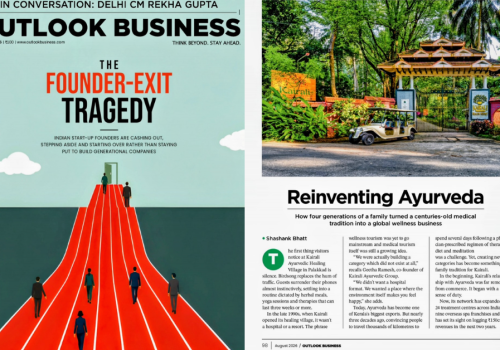
That’s why Kairali – The Ayurvedic Healing Village was created differently: not as a resort with Ayurveda added, but as a healing ecosystem where the environment itself supports the therapies. In Ayurveda, the setting is not background—it’s part of the medicine.
Science confirms what Ayurveda has always known: sensory overload delays recovery.
Noise—especially unpredictable noise—can keep cortisol and stress activation higher than you realize, disrupting deep sleep and slowing the body’s repair processes. At Kairali – The Ayurvedic Healing Village, this is why we treat quiet as clinically relevant: when the mind stops scanning, the body becomes more receptive to treatment—from Abhyanga to Shirodhara to guided meditation.
Section 1: The science of sound—cortisol, sleep, and why healing slows down
Most wellness resorts don’t mean to be noisy—they’re simply designed for tourism first, healing second.
Typical disruptions include:
- Rooms too close to kitchens, laundry zones, or generators
- Echo-heavy corridors, thin doors, and high foot traffic
- “Social resort” behavior—music, loud conversations, phone calls
- Proximity to roads, towns, events, or construction
Kairali – The Ayurvedic Healing Village was built to reduce these stressors—because for burnout sufferers and meditators, small disturbances aren’t “small.” They’re nervous system triggers.
Typical noise sources at many “wellness” resorts (and why they add up)
Many retreats genuinely try to be peaceful. But “wellness branding” doesn’t always equal “healing acoustics.”
Here are the most common noise leaks that sabotage recovery:
External / location noise
- Highway or traffic flow nearby
- Construction zones (temporary but intense)
- Popular tourist areas with nightlife
- Nearby temples/venues with loudspeakers (seasonal)
- Airport flight paths
Internal / design noise
- Echo-heavy hallways and hard tile surfaces
- Thin doors/walls
- Rooms close to kitchens, staff areas, laundry, or generators
- Loud air-conditioning units
Social noise (the one most guests don’t anticipate)
- Group travelers in “holiday mode”
- Phone calls on balconies
- Loud music for events
- “Activity crowding” where calm spaces become busy spaces
The hidden disruptor: unpredictability
A consistent soft sound (like distant rain) is very different from random loud interruptions. Unpredictability is what keeps the nervous system scanning.
Why quiet locations outperform noisy ones for stress recovery
In stress and burnout recovery, we’re not only “relaxing.” We’re retraining the body to feel safe again.
A quiet environment helps because it supports:
1) Faster nervous system downshift
When your senses stop being attacked, the body moves more easily into rest-and-digest.
2) Better sleep efficiency
Even if you sleep the same number of hours, quiet often improves sleep depth and continuity.
3) Stronger results from core therapies
Whether it’s Abhyanga (oil massage), Shirodhara, or guided meditation—these work best when the mind isn’t bracing against interruptions.
4) A deeper meditative state (without forcing it)
Many meditators know this: silence isn’t just “absence of sound.”
It becomes a container where awareness stabilizes.
5) Reduced “decision fatigue”
In noise-heavy environments, you keep making micro-choices: earbuds, room changes, schedule adjustments, “Should I complain?” Quiet removes that cognitive drain.
Kairali’s 65-acre silent forest environment in Palakkad
At Kairali, we’ve learned something simple over decades of welcoming guests: healing needs a habitat.
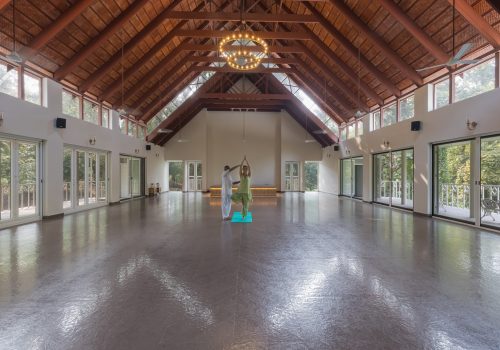
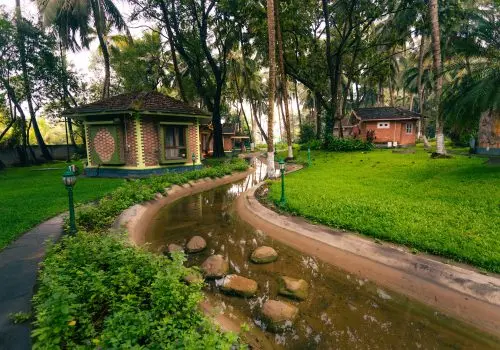
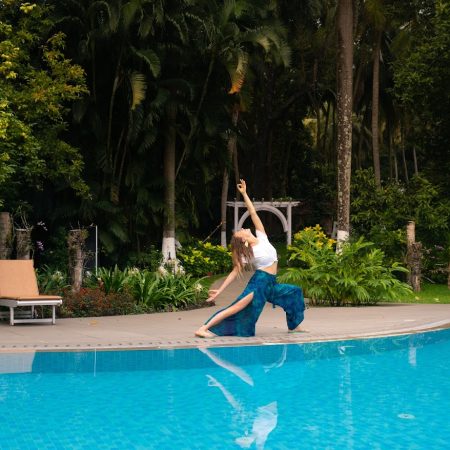
That’s why our Palakkad Ayurveda retreat is set within a 65-acre forest environment, designed to support stillness—not as a marketing concept, but as part of the therapeutic foundation.
What this means for your experience:
- Space: you don’t feel crowded by noise or movement
- Nature rhythm: birdsong, wind through trees, natural light patterns
- Distance from urban chaos: fewer sudden sonic shocks
- A retreat culture that respects quiet: so your calm isn’t constantly negotiated
If you’re searching for the best ayurveda treatment in india, it’s worth remembering: the quality of therapies matters—and so does the environment those therapies happen in. A treatment plan becomes far more powerful when your nervous system finally believes, “I’m safe.”
What guests often experience in the first 48 hours of real silence
The first two days are surprisingly emotional for many people—not because something is wrong, but because the body finally stops “holding.”
Here’s what we commonly observe:
First 12–24 hours: the mind keeps talking
- Thoughts may race at first
- You might feel oddly restless (even if you’re exhausted)
- Sleep can be light as the system “decompresses”
This is normal. When noise disappears, the mind’s backlog becomes audible.
24–48 hours: the nervous system begins to settle
Guests often report:
- A deeper exhale that feels spontaneous
- Better appetite cues (not stress cravings)
- Fewer impulsive phone checks
- More grounded attention during meditation
- Sleep becoming heavier and more continuous
- A subtle return of joy: “I forgot what calm felt like.”
How to assess noise risk before booking any wellness stay
If silence is part of your healing plan, treat it like a non-negotiable feature—not a nice-to-have.
A quick “Noise Risk Checklist” (save this before you book)
Location & surroundings
- Is the retreat near a highway, busy road, or town center?
- Any construction mentioned in recent reviews?
- Is it close to event venues or nightlife areas?
Room placement
- Ask: “Are rooms close to kitchens, laundry, staff quarters, or generators?”
- Ask for a room away from main walkways and communal zones.
Retreat culture
- Does the property actively maintain quiet hours?
- Is it positioned as a “wellness + social” resort or a “healing + restorative” space?
- Are phones/music common in public areas?
Design clues
- Do reviews mention thin walls, echoing corridors, loud AC, or door slams?
- Are there many hard surfaces in photos (tiles, glass corridors) with little acoustic buffering?
The review trick
Search reviews for words like:
“noise,” “loud,” “sleep,” “party,” “music,” “generator,” “construction,” “traffic.”
What to ask before paying
“Hi, I’m booking primarily for rest and recovery. Can you confirm the quietest room category and whether there are any current noise sources (construction, events, generator proximity, road noise)? Do you have quiet hours?”
If a property can’t answer clearly, treat that as a signal.
Closing: Silence isn’t empty. It’s therapeutic.
If you’re exhausted, overwhelmed, or trying to rebuild yourself after months (or years) of stress, your body doesn’t need more stimulation. It needs fewer signals to fight.
Silence is medicine because it gives your system what it has been missing:
- stable sleep
- calmer hormones
- deeper digestion
- clearer attention
- a nervous system that finally stands down
If you’re ready for a holistic wellness retreat where quiet is not accidental but intentional—experience Kairali’s Palakkad Ayurveda retreat environment and let stillness do what it does best: restore you.
Website: www.ktahv.com
Call: +91-9555156156
About the Author
Dr. Akhila Oommen is a highly experienced Ayurvedic physician at Kairali – The Ayurvedic Healing Village, with over 9 years of dedicated practice in holistic health management. Her clinical approach is deeply rooted in classical Ayurvedic principles, complemented by a compassionate, solution-oriented mindset. Her ability to treat complex and chronic conditions with precision and empathy has earned her the trust of countless wellness seekers from around the world.
Dr. Akhila believes in empowering individuals through knowledge of their own constitution and imbalances. Her treatments are guided by the Ayurvedic principle of Swasthasya Swasthya Rakshanam—preserving the health of the healthy—and she emphasizes preventive care just as much as curative protocols. Her goal is not just to treat disease but to create balance across the body, mind, and spirit for sustainable well-being.







wish you best and best