



















A recent Times of India case study shared the story of a 50-year-old man living with severe back pain since 2017—pain so intense he struggled to walk upright—who reported meaningful relief after a structured, supervised program combining traditional therapies, yoga, and disciplined diet.
At Kairali – The Ayurvedic Healing Village in Kerala, we see this pattern often: chronic back pain rarely improves from a single “quick fix.” Sustainable recovery typically requires:
(1) identifying the root imbalance
(2) calming irritated tissues and nerves
(3) rebuilding strength and stability—while correcting the everyday triggers that caused the pain to persist.
This is exactly why our Kerala treatment for back pain is designed as a physician-led, personalized program—available in 14/21/28-day formats—that integrates classical Ayurveda with therapeutic yoga, mindful routines, and restorative nutrition.
Why Chronic Back Pain Keeps Coming Back (Even After Rest and Painkillers)
Many people manage symptoms (pain, stiffness, numbness) but miss the “why” behind recurrence. In the TOI case study, the individual had tried self-guided yoga and felt partial improvement—but the pain persisted until he entered a structured environment with professional supervision and lifestyle correction.
At Kairali, we commonly see these recurring drivers:
- Postural overload (desk work, long driving, poor lifting mechanics)
- Sedentary habits + weak core/back stabilizers
- Stress and poor sleep (increases muscle guarding and pain sensitivity)
- Weight gain/inflammation patterns
- Degenerative changes (disc issues, arthritis-related stiffness)
- Radiating pain (sciatica-like patterns)
Our clinical approach begins by mapping your pain pattern (location, radiation, stiffness timing, triggers), then aligning it to an Ayurvedic root-cause lens and a practical rehab plan.
Back Pain in Ayurveda: The Vata Connection (and Why It Matters)
In Ayurveda, chronic back pain often aligns with Vata imbalance—especially when tissues feel dry, stiff, unstable, or “cracking,” and symptoms fluctuate with stress, travel, cold exposure, irregular meals, or overexertion.
Kairali’s chronic back pain program is explicitly positioned to address:
- Vata imbalance
- Weakened muscles and supportive tissues
- Inflammation and circulation issues
- Stress-driven pain loops
This is why therapies are selected not just for “pain relief,” but for rejuvenating tissues, restoring lubrication, improving circulation, and supporting stability.
What Makes Kairali Different: A Physician-Led, Package-Based Spine Recovery Plan
If you’re searching for the best ayurveda treatment in india for chronic back pain, the key differentiator isn’t marketing—it’s medical supervision + personalization + correct sequencing.
Kairali – The Ayurvedic Healing Village offers 14/21/28-day chronic back pain relief packages with a clear clinical flow:
assessment → customized plan → therapies → yoga/meditation → diet/lifestyle reinforcement.
Core therapies commonly used (based on your assessment)
Kairali’s chronic back pain page highlights several signature therapies used under doctor guidance, including:
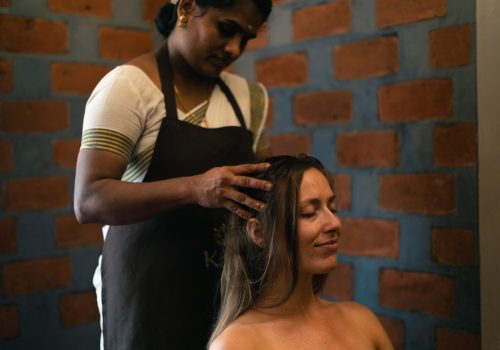
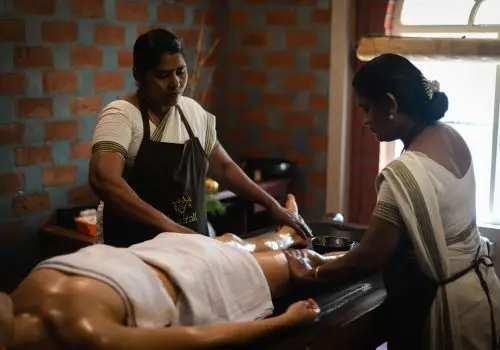
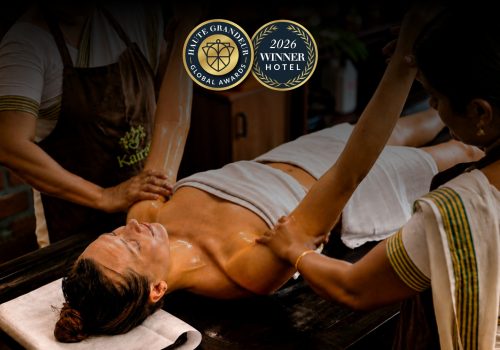
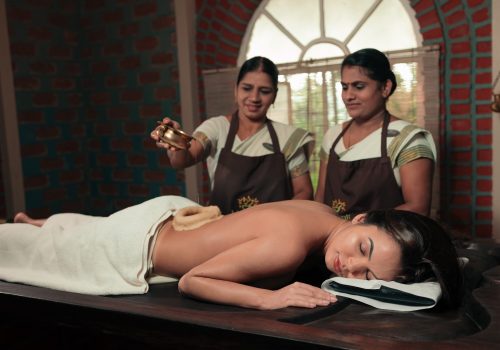
- Abhyangam (oil massage)
- Vasti (therapeutic basti protocols, where appropriate)
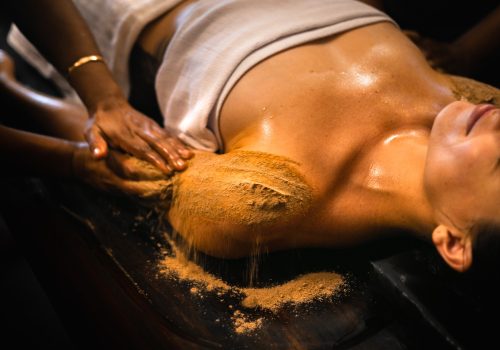
- Elakizhi (herbal bolus therapy)
- Kativasti / Kati Basti (localized oil pooling for lumbar support)
- Nasya (nasal therapy—used selectively depending on presentation)
These are typically paired with meditation and yoga, and supported by doctor-prescribed internal medicines and diet structure.
Important: Specific therapies and intensity depend on your constitution (dosha), diagnosis, comorbidities, and tolerance.”
A Kairali-Style Case Story (Anonymized): From Guarded Movement to Confident Walking
Patient profile: Male, 46, IT professional, recurrent low back pain for 4+ years; stiffness worse in mornings; occasional leg radiation after long sitting.
Previously tried: intermittent physiotherapy, pain medication cycles, self-guided stretching.
Kairali assessment focus: posture + sleep + stress response + digestive strength + Vata aggravation patterns.
Program selected: 21-day physician-led back pain recovery plan.
Week 1 (calm + release):
- Gentle external therapies to reduce guarding and improve circulation
- Diet simplified to reduce heaviness and inflammatory load
- Breath-led relaxation for nervous system downshift
Week 2 (stabilize + strengthen):
- Targeted lumbar therapies (as indicated)
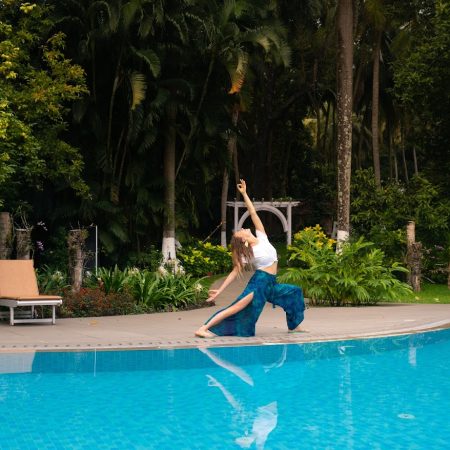
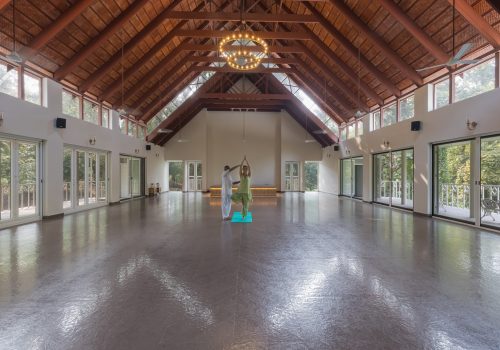
- Therapeutic yoga emphasizing safe spinal mobility + core stability
- Walking protocol + posture re-training
Week 3 (rebuild + prevent):
- Consolidation of routines (sleep timing, sitting hygiene, micro-breaks)
- Home plan for travel/work weeks
- Long-term recurrence prevention guidance
Reported changes by discharge: improved walking confidence, reduced flare frequency, better sleep quality, clearer “what triggers me” awareness.
The “Retreat Effect” Is Real: Why Environment Accelerates Healing
One reason the TOI case study is compelling is the speed of change reported—within days—after entering a strict routine with supervised therapies, breathwork, movement, and simplified nutrition.
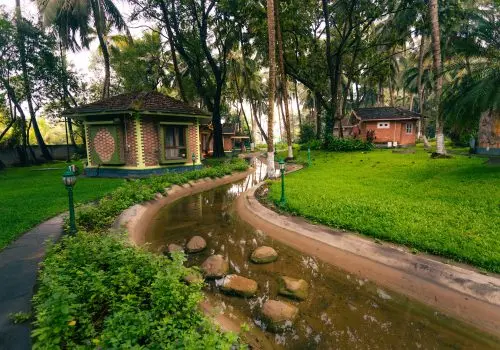
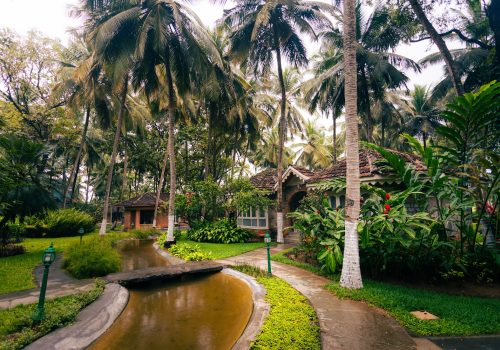
At Kairali, the setting supports what many guests describe as the best wellness retreat experience for chronic pain recovery because it removes common obstacles:
- inconsistent routines
- decision fatigue around diet/exercise
- stress-laden environments
- lack of expert correction in yoga movement
When the body is finally given consistency, recovery often becomes more measurable.
Interactive Self-Check: Which Back Pain Pattern Sounds Like You?
(Not a diagnosis—just a direction finder.)
1) Your pain is worst when…
A. Cold, travel, irregular schedule, stress spikes
B. After heavy meals, sluggish digestion, weight gain phases
C. After long sitting + stiffness on first movement
2) Your pain feels like…
A. Tight, “stuck,” variable, sometimes sharp
B. Heavy, dull, swollen
C. Stiff + restricted range, sometimes radiating
3) Best next step:
- If A dominates → Vata-calming plan + tissue nourishment + nervous system regulation
- If B dominates → inflammation/metabolic support + mobility + structured nutrition
- If C dominates → posture rehab + targeted therapies + stabilization training
Action: If your pain is persistent (>6 weeks), radiating with numbness/weakness, or worsening—book a doctor consultation before attempting intensive yoga or self-treatment.
Conclusion
Chronic back pain doesn’t just “happen” to the spine—it builds over time through posture strain, stress, poor recovery, and deeper imbalances in the body. The Times of India case study is a reminder that when healing is approached in a structured, supervised way—combining therapies, movement, and lifestyle discipline—people often regain mobility, confidence, and hope.
At Kairali – The Ayurvedic Healing Village, our Kerala treatment for back pain is designed to go beyond temporary relief. Through doctor-led assessment and personalized programs (14/21/28 days), we focus on calming aggravated Vata, improving circulation and flexibility, and rebuilding long-term stability through therapeutic yoga, guided routines, and supportive nutrition. If you’re seeking the best ayurveda treatment in India in a setting many consider the best wellness retreat, Kairali offers a deeply restorative path—rooted in authenticity, tradition, and real patient-centered care.
Book free doctor consultation or call us at +91-9555156156
About the Author
Dr. Ashikha Raj is a dedicated Ayurvedic physician and Resident Medical Officer (RMO) at Kairali – The Ayurvedic Healing Village. With over 8 years of hands-on experience, she brings a unique blend of classical Ayurvedic wisdom and modern therapeutic sensibilities to her clinical practice. She is known for her empathetic patient care, methodical diagnosis, and ability to create deeply personalized wellness journeys rooted in the ancient science of Ayurveda.
Dr. Ashikha believes that healing is not just about eliminating disease—it’s about rebalancing the body, mind, and spirit. She advocates for sustainable health through daily routines (Dinacharya), seasonal cleansing, and mindful living in harmony with one’s Dosha and environment. Her nurturing presence and deep listening skills make her a trusted guide for guests seeking transformation at Kairali.