


























Ayurveda does not claim to cure arthritis. However, Ayurvedic practitioners have traditionally used a combination of dietary guidance, lifestyle modifications, therapeutic procedures, and herbal preparations to support people living with joint pain, stiffness, mobility limitations, and inflammation-related symptoms.
Research into Ayurvedic approaches for arthritis is ongoing. Some studies suggest certain Ayurvedic interventions may help improve pain, function, and quality of life in selected patients, but evidence remains mixed and varies by condition, treatment protocol, and study quality. Arthritis is a medical condition that should be evaluated and managed by qualified healthcare professionals.
For people seeking a more comprehensive approach to joint health, Ayurveda may serve as a complementary system alongside conventional medical care.
Why Arthritis Is More Complex Than Many People Realise
Arthritis is not a single condition. The term encompasses more than 100 different disorders affecting joints and connective tissues.
Among the most common are:
- Osteoarthritis, associated with the gradual breakdown of joint cartilage
- Rheumatoid arthritis, an autoimmune condition that causes joint inflammation
- Psoriatic arthritis
- Gout
- Ankylosing spondylitis
Although these conditions differ medically, many people experience similar challenges:
- Joint pain
- Morning stiffness
- Reduced mobility
- Fatigue
- Difficulty maintaining physical activity
- Reduced quality of life
This complexity is one reason many patients explore complementary approaches alongside conventional treatment.
How Ayurveda Traditionally Understands Joint Disorders
Ayurveda does not classify arthritis using modern biomedical categories. Instead, practitioners assess patterns of imbalance involving doshas, digestion, metabolism, tissue health, and lifestyle factors.
Classical Ayurvedic texts describe several conditions that share features commonly associated with joint disorders, including pain, swelling, stiffness, restricted movement, and functional limitations.
Rather than focusing solely on the affected joint, Ayurvedic assessment traditionally considers:
- Digestive function
- Sleep quality
- Daily routines
- Physical activity levels
- Stress patterns
- Individual constitution (Prakriti)
- Overall systemic health
This broader perspective is one reason many people are drawn to Ayurveda when living with long-term musculoskeletal concerns.
What Ayurvedic Treatments for Arthritis Typically Involve
The phrase Ayurvedic treatments for arthritis does not refer to a single therapy. In clinical Ayurvedic practice, interventions are often personalised.
Depending on the individual assessment, a physician may recommend a combination of:
Therapeutic Massage and External Therapies
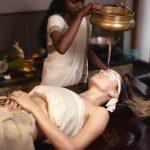
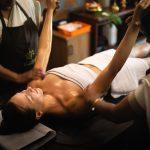
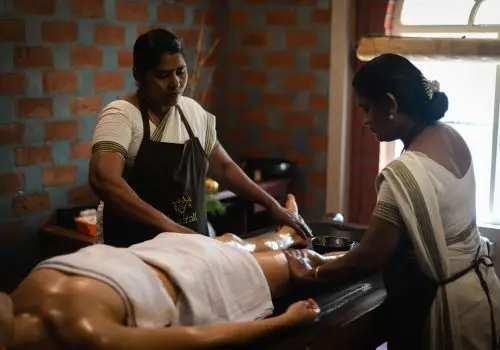
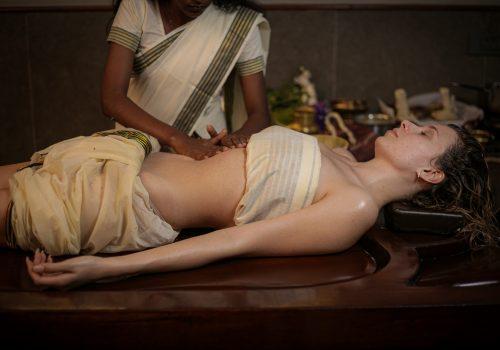
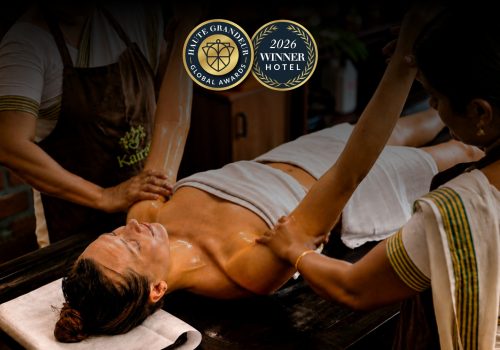
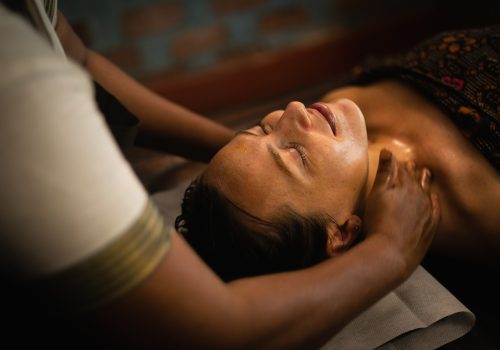
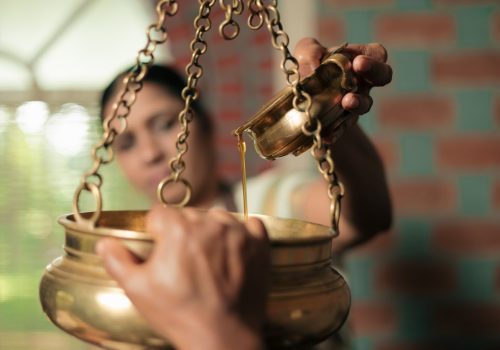
Traditional therapies may include medicated oil applications, massage techniques, heat-based therapies, and localised treatments designed to support comfort and mobility.
Panchakarma-Based Programmes
In some cases, supervised Panchakarma procedures may be recommended as part of a broader therapeutic plan.
These programmes are physician-led and typically involve multiple interventions rather than a single treatment session.
Dietary Guidance
Ayurveda places significant emphasis on food choices, eating patterns, and digestive health.
Recommendations are tailored to the individual and may change throughout the course of care.
Lifestyle and Movement Practices
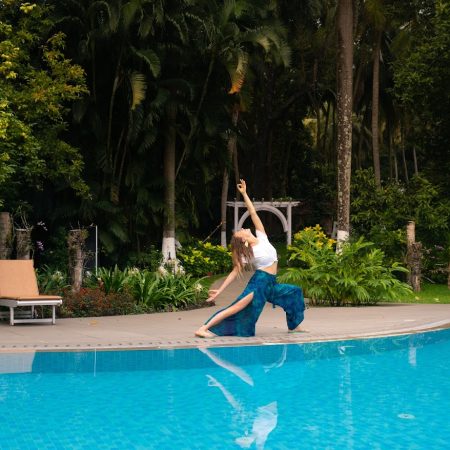
Daily routines, sleep habits, gentle movement, and stress-management practices often form an important component of Ayurvedic care.
What Does Modern Research Say?
The evidence surrounding Ayurveda and arthritis continues to evolve.
Several clinical studies have explored Ayurvedic interventions for osteoarthritis and rheumatoid arthritis. Some have reported improvements in pain scores, physical function, and patient-reported outcomes.
However, important limitations remain:
- Study sizes are often small.
- Treatment protocols vary significantly.
- Long-term outcomes are not always available.
- Quality of evidence differs between studies.
For this reason, major medical organisations generally view Ayurvedic care as a complementary approach rather than a replacement for evidence-based medical treatment.
The most responsible conclusion is not that Ayurveda cures arthritis, but that certain Ayurvedic interventions may help support symptom management and overall wellbeing for some individuals when delivered by qualified practitioners and integrated appropriately with conventional care.
Why Some International Guests Choose Kerala for Ayurvedic Care
When exploring Ayurveda, the setting often matters as much as the treatment itself.
Many international visitors choose Kerala because it remains one of the regions most closely associated with institutional Ayurvedic practice, physician-led treatment centres, and long-established therapeutic traditions.
For travellers considering an Ayurveda holiday in India, factors that often influence decision-making include:
- Practitioner qualifications
- Clinical oversight
- Accreditation standards
- Treatment individualisation
- Quality of accommodation
- Long-term follow-up support
These considerations become especially important for people managing chronic health concerns.
Kairali: A Kerala Ayurveda Destination Focused on Physician-Led Care
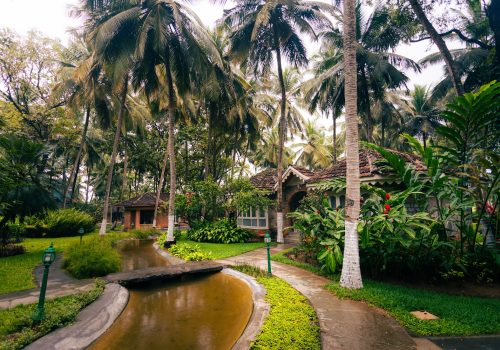
For guests seeking a structured Ayurvedic experience, Kairali – The Ayurvedic Healing Village in Palakkad, Kerala, offers physician-led programmes within a NABH-accredited Ayurvedic hospital environment.
Founded by Kairali Ayurvedic Group in 1989 and built on a multi-generational Ayurvedic lineage, the centre combines traditional Ayurvedic practice with modern hospitality standards.
Guests arriving with concerns related to joint discomfort, mobility limitations, stress, sleep disturbances, or lifestyle-related health challenges undergo an individual assessment by qualified Ayurvedic physicians before any programme is recommended.
As a recognised Kerala Ayurveda destination, Kairali attracts visitors from around the world seeking a more comprehensive approach to health and wellbeing rather than a symptom-focused intervention alone.
For many travellers, this creates a different experience from a conventional spa stay. The emphasis is on physician assessment, personalised care planning, daily supervision, and longer-term lifestyle guidance.
Is a Holistic Wellness Retreat Right for Someone With Arthritis?
A physician-led holistic wellness retreat may appeal to people who:
- Want structured lifestyle support
- Are interested in complementary approaches alongside conventional care
- Need dedicated time away from daily stressors
- Want professional guidance on nutrition, movement, and daily routines
- Prefer a whole-person approach rather than focusing solely on symptoms
However, Ayurveda is not appropriate as a substitute for medical diagnosis or urgent treatment. Anyone with arthritis or unexplained joint symptoms should consult qualified healthcare professionals.
The Bottom Line
Can Ayurveda cure arthritis?
No credible Ayurvedic practitioner should promise a cure.
What Ayurveda may offer is something different: a personalised framework that considers lifestyle, diet, movement, recovery, and overall wellbeing alongside symptom management.
For people living with arthritis, the most useful question may not be whether Ayurveda can cure the condition, but whether an integrative approach can help improve quality of life, mobility, comfort, and long-term health.
That question deserves thoughtful exploration—guided by evidence, practitioner expertise, and realistic expectations.
Website: www.ktahv.com
Call: +91-9555156156
No. Ayurveda does not claim to cure arthritis. However, Ayurvedic care may help support joint comfort, mobility, and overall wellbeing as part of a broader health plan. Anyone with arthritis should work with qualified healthcare professionals.
Ayurvedic care often includes dietary guidance, lifestyle changes, therapeutic massage, herbal preparations, and Panchakarma-based therapies. The exact approach depends on the individual and their health needs.
Ayurveda may be suitable for many people, but treatment should be guided by a qualified practitioner. It is important to discuss any Ayurvedic therapy with your healthcare provider, especially if you take prescription medicines.
Kerala is known for its long history of Ayurvedic practice and physician-led treatment centres. Many visitors choose the region for personalised care, traditional therapies, and structured wellness programmes.
An Ayurvedic retreat may provide professional guidance on diet, lifestyle, movement, and therapeutic treatments. While results vary from person to person, many guests value the opportunity to focus on their health in a supportive environment.